"Heated Rivalry" Scores Big With HBO Max's Most Unlikely Hit
by Kathia Woods
HBO Max's "Heated Rivalry" has become the platform's most surprising success this season, despite being full of holiday rom-coms and highbrow dramas. It's a steamy, unapologetically queer hockey romance that is changing the way LGBTQ+ people are represented in mainstream media. This six-episode limited series, based on Rachel Reid's popular "Game Changers" book series and made by Jacob Tierney for the Canadian streaming service Crave, has a lot more to offer than just viral sex scenes. It's a master class in how to use physical closeness to discuss emotional vulnerability, cultural barriers, and the terrible price of living in the closet.
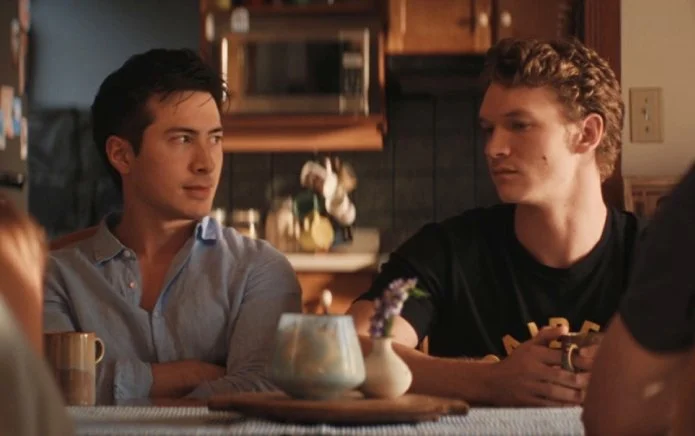
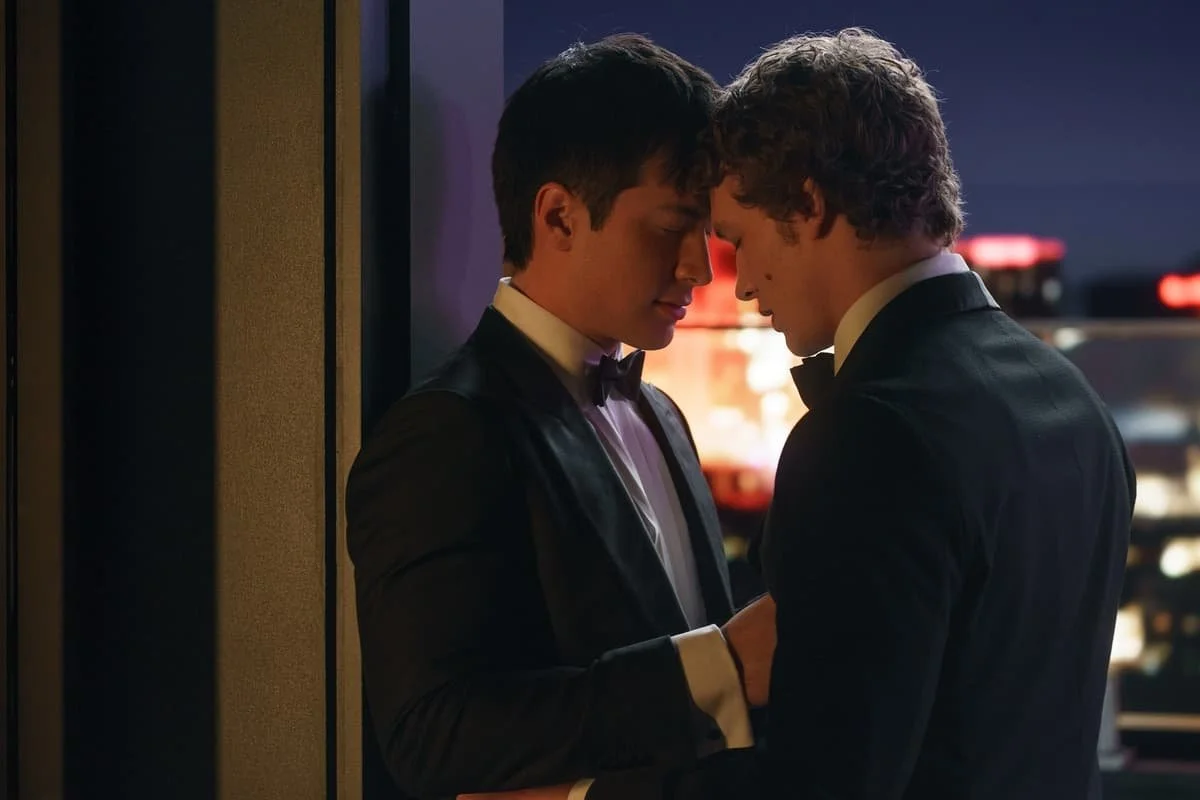
The idea is deceptively simple: Canadian hockey star Shane Hollander (Hudson Williams) and Russian hockey star Ilya Rozanov (Connor Storrie) are rivals on the ice, but their hatred for each other hides an eight-year secret affair. "Heated Rivalry," on the other hand, doesn't play it safe. The show makes its intentions clear from the very first minutes with explicit, beautifully choreographed intimacy that would make "Bridgerton" blush. However, this show serves a purpose beyond mere entertainment; it employs a narrative strategy. Williams and Storrie, who aren't very well known, have wonderful chemistry and vulnerability in roles that call for both athleticism and emotional honesty.
"Heated Rivalry" is different from other romance stories because it understands that sex can be a language of its own when words don't work. Ilya and Shane don't talk much at first, not because they're in love, but because real conversation would require them to show their feelings, which they've been avoiding for years. Their hookups are quick, athletic, and carefully filmed to show character instead of just getting people excited. In episode four, when Ilya finally makes Shane a tuna melt, the simple act of cooking for him feels more intimate than anything else they've done together because it indicates that they're getting closer to being real.
The series demonstrates remarkable structural intelligence. Rather than front-loading backstory, Tierney trusts his actors and the visual storytelling to convey years of history through glances, body language, and the carefully calibrated distance these men maintain even in their most vulnerable moments. Episode three shifts focus to veteran player Scott Hunter (François Arnaud) and his relationship with smoothie barista Kip Grady (Robbie G.K.), providing both breathing room and thematic counterpoint—what happens when one partner demands the relationship step into daylight while the other clings to secrecy?
The show's explicit content has caused predictable pearl-clutching, but the sexuality has a purpose beyond fan service. There are no openly gay players in the NHL, which makes professional hockey one of the most masculine sports. "Heated Rivalry" makes its intimate scenes acts of defiance by focusing on two queer athletes trying to get through this hostile world. Every moment of tenderness turns into a political statement without being preachy.
Tierney's direction finds poetry in things that are opposite, like brutal game footage mixed with tender lovemaking or public personas versus private truth. Shane, who doesn't speak Russian, lets Ilya, who is sad, talk in his own language in the fifth episode. This is the part of the series that makes you feel the most. The development is a shocking change in their relationship, and it shows that the show is about more than just being known for being steamy.
The quality of the production doesn't match the 36-day shooting schedule for the show. Cinematographer Catherine Lutes is just as talented at showing the violent beauty of professional hockey as she is at showing the quiet destruction of secret love. The supporting cast, especially Christina Chang as Shane's very involved mother and Ksenia Daniela Kharlamova as Ilya's best friend Svetlana, make the romantic fantasy feel real by making it clear that the characters are real people with real problems.
"Heated Rivalry" became Crave's most popular original series and HBO Max's most popular acquired debut since 2019, not because of studio hype but because of Reid's loyal fan base and viewers who wanted queer content that didn't apologize for desire. The quick renewal of season two proves what the ratings already showed: there is a giant demand for LGBTQ+ stories told with this level of skill and confidence.
There are some problems with the series. Some of the supporting characters don't seem fully developed, and the short episode count sometimes rushes through emotional moments that need more time. But these are small problems in what 's a big step forward for mainstream queer TV. "Heated Rivalry" shows that showing queer love with the same depth, heat, and honesty as straight romance is sometimes the most radical thing you can do. By doing this, "Heated Rivalry" has changed the entire landscape of queer television.
All episodes are currently streaming on HBO Max.