
Cookie Queens

by Kathia Woods

A Sweet Celebration of Girl Power and the Business of Childhood

Premiering at the 2026 Sundance Film Festival

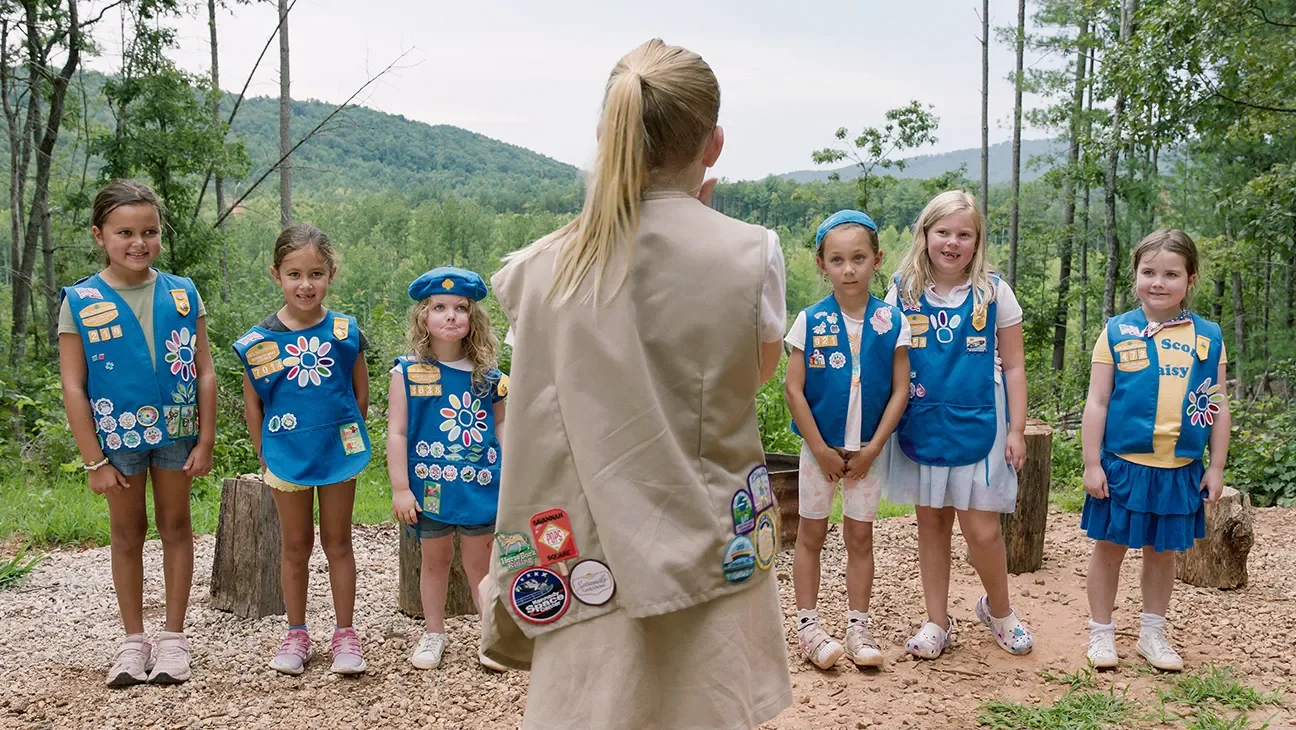
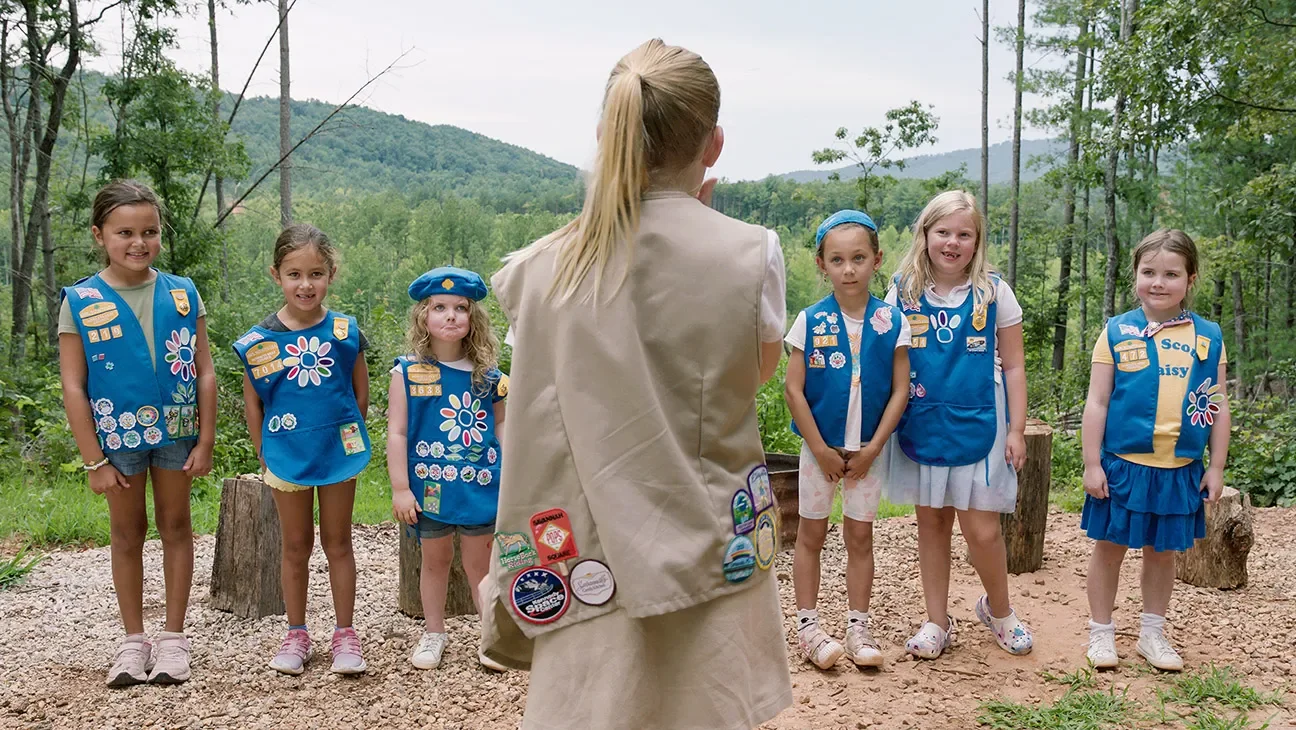
In Cookie Queens, director Alysa Nahmias turns the well-known tradition of Girl Scout cookie season into a surprisingly interesting look at ambition, sacrifice, and the complicated place where childhood and capitalism meet. The documentary follows four determined young saleswomen—Ara, Olive, Nikki, and Shannon Elizabeth—as they try to become the best sellers in an $800 million industry. It has both heartwarming charm and surprising depth. Prince Harry and Meghan Markle are the executive producers of the movie. It becomes a close look at how young girls deal with success with the constant support of their families.

What could have been a simple, sugary celebration of the entrepreneurial spirit turns out to be a more complex look at how early we put pressure on kids to do well and be successful. But it's also, without a doubt, a love letter to Girl Scouts, the magic of being a girl, and the families who support their daughters' dreams, no matter how cookie-filled those dreams may be.

Four Girls, Four Journeys

The way the movie is put together lets each girl's unique personality and family life shine through. Olive, a 12-year-old girl from Charlotte, North Carolina, is already a legend when cookie season starts. She has the regional council's record for most boxes sold in a single season: 8,745. Olive and her parents know that records are meant to be broken, though. Olive runs an impressively complex marketing campaign with custom websites, professional signs, and marketing videos that would make a corporate sales team proud. Her mother is both the troop co-leader and the cookie manager. What happened? A record-breaking 12,801 boxes sold, making her a cookie-selling superstar.

But Nahmias captures a telling moment when Olive realizes that her parents probably like cookie season more than she does. It's a quiet way of saying that parents' hopes and dreams for their children can sometimes become beautifully, but also uncomfortably, linked.

The film doesn't judge this dynamic; instead, it presents it with empathy and understanding, recognizing that family support and family investment exist on a spectrum.

Nine-year-old Nikki from Chino, California, operates as an independent "troop" with fierce determination. Her mother, a co-leader of a local troop, deliberately enrolled all three of her daughters in Girl Scouts to create an uplifting space for her Black daughters in a predominantly white community. With her two older sisters, ages 14 and 16, having aged out of cookie season after achieving remarkable success—including a European trip and outstanding sales trophies—Nikki carries the weight of legacy on her young shoulders. The film sensitively captures how representation and belonging fuel her drive, making her cookie sales about more than just numbers; they're about claiming space and continuing a family tradition of excellence.

In El Paso, eight-year-old Shannon Elizabeth's story pulses with heart. Raised alone by her mother, Amanda (also a troop co-leader), for her earliest years, Shannon Elizabeth now has Juan, her mother's partner, as an enthusiastic ally in her cookie-selling mission. Her goal is concrete and deeply personal: sell enough cookies to earn a free Girl Scouts summer camp. Connecting with her Latinx and Native American roots, Shannon Elizabeth splits her passion between karate and Girl Scouts, determined to carve out leadership opportunities within her culturally and ethnically diverse local troop.

Nahmias shows very well how cookie sales mean more than just success for Shannon Elizabeth; they also mean access to experiences that might not be possible without the cookies sales.

Then there's Ara, the five-year-old firecracker from San Diego who steals the show every time she's on screen. Ara has grown as a cookie seller since her first year, when she sold five boxes. Now, in her second year, she has set an ambitious goal of 55 boxes, which she later raises when she sees that prizes are within reach. Because she has type 1 diabetes, she can only taste the cookies in small amounts. This makes her want to make her own sugar-free cookie. Ara is a natural-born salesperson with great money management and marketing skills. For example, she plays the piano at a local market where she sells cookies next to her uncle's bakery stall. Ara is the picture of pure, unbridled entrepreneurial joy, with her parents and little brother cheering her on.

The Honest Economics of Cookie Season

Nahmias should be praised for not being afraid to look at the economics behind these girls' success. The movie doesn't hold back from showing how much time families spend on the marathon, like weekends spent working at booths, evenings spent coming up with sales strategies, and money spent on inventory and ads. These girls work very hard and have business skills that would impress even the most seasoned workers.

The documentary, on the other hand, also gently asks who really benefits most from this work. The girls learn important skills, gain confidence, and sometimes win prizes or get to go to camp, but the Girl Scouts organization is the main beneficiary of an $800 million industry that is built on the charm of children and the sacrifices of families. The movie is honest about this tension without being cynical or judgmental.

A Celebration, Not a Critique

Cookie Queens is a great documentary because it talks about tough subjects without losing sight of its main point: how great it is for girls to be the best they can be. Nahmias really cares about these young business owners and the school that helps them learn what they can do. The movie talks about how strong, creative, and determined the girls are, but it also makes people think about how their successes fit into the bigger picture.

The families in these stories aren't shown as stage parents pushing their kids to do things they don't want to do. Instead, they're shown as supportive partners in their daughters' goals. For example, Olive's parents planned a record-breaking campaign, Nikki's mother made room for Black excellence, Juan helped Shannon Elizabeth get to camp, and Ara's family encouraged her diabetic daughter to think about what she can do. These families give up their free time because they believe in their daughters' potential. They put in time and money because they see cookie season as more than just a way to make money. They see it as a way to teach leadership, build confidence, and connect with other people in the community.

The Bigger Picture

Since Prince Harry and Meghan Markle are the executive producers, the movie will be interesting to people who want to know more about the couple's ongoing work with youth empowerment and community groups. It feels like they are genuinely interested in Cookie Queens, not just trying to make a quick buck. This is because they have always supported young people finding their voices and communities helping kids grow.

Nahmias keeps the tone light and friendly throughout, trusting her young subjects to tell the story with their big personalities and real passion. The cinematography shows both the boring parts of spending hours at cookie booths and the exciting times when goals are met, records are broken, and camp becomes a reality.

It's a film that understands childhood exists in these dual spaces—the gritty work and the pure magic.

Cookie Queens is both a party and a study. It shows four amazing girls in a happy, heartwarming way while also keeping enough distance to recognize how complicated the economics of their success are. It's a documentary that respects its audience's intelligence, trusting us to hold multiple truths at once: that Girl Scouts gives young women great opportunities, that families make real sacrifices to get these opportunities, that the organization benefits greatly from children's work, and that these girls are learning skills and gaining confidence that will help them long after cookie season.

The last gift of the movie is that it reminds us that we are watching future leaders grow up. These are people who could become Supreme Court justices, CEOs, entrepreneurs, and changemakers who learn early on that hard work, strategic thinking, and family support can help them do great things.

Whether that lesson should be delivered through cookie sales is a question the film poses gently, but its admiration for the girls themselves is absolute and infectious.

Cookie Queens is a delightful, thoughtful addition to Sundance's documentary lineup that deserves attention beyond the festival circuit. It's a film that will resonate with anyone who's ever bought those cookies, but more importantly, with anyone interested in how we shape—and are shaped by—the business of growing up. Most of all, it's an irresistible celebration of the magic that happens when girls are given the space to dream big, work hard, and discover just how much they're capable of achieving.