❋
Andor Review: Star Wars' Most Urgent Political Mirror
In a media landscape where franchises typically prioritize fan service over substance, Disney+'s Andor accomplishes something extraordinary: it transforms Star Wars into a searing political thriller that holds an uncomfortable mirror to our current moment. Creator Tony Gilroy's two-season masterpiece doesn't just depict the rise of authoritarianism in a galaxy far, far away—it provides a chillingly accurate blueprint of how fascism consolidates power in our world today.
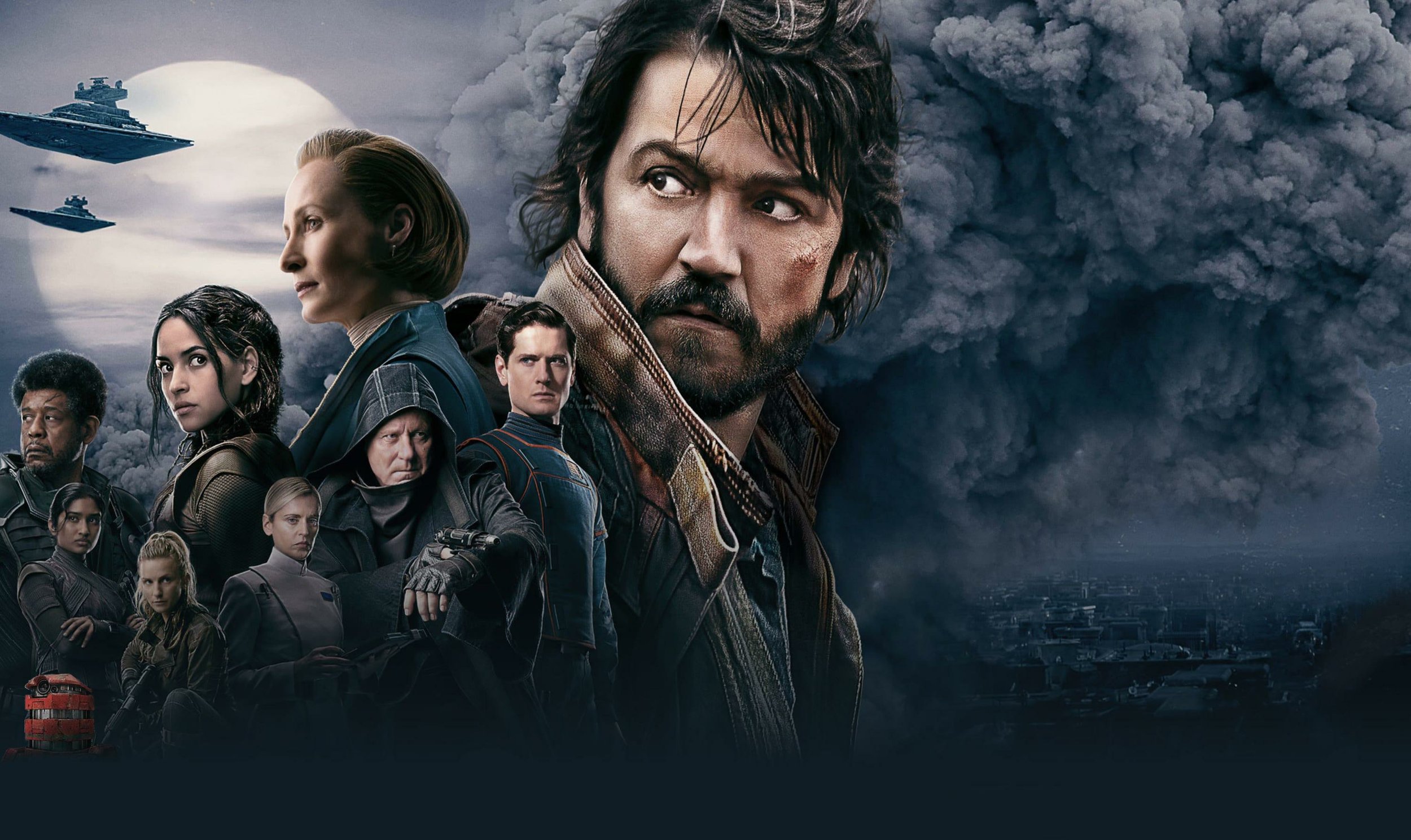
Unlike traditional Star Wars fare with its lightsabers and chosen ones, Andor strips away the mythology to examine the mundane mechanisms of oppression. The series follows Cassian Andor (Diego Luna) from apolitical thief to radicalized rebel operative, but more importantly, it shows us how ordinary people navigate life under an authoritarian regime that operates through bureaucracy, surveillance, and the slow suffocation of truth.
The political parallels aren't subtle, nor should they be. When Imperial troops raid homes without warrants, when peaceful protesters are violently beaten, when the word "genocide" becomes sanitized through official propaganda—Andor isn't offering escapism. It's providing vocabulary for our present crisis. Viewers have created viral comparisons between the show's scenes of senatorial suppression and real footage of politicians being forcibly removed for speaking truth to power. The resonance is deliberate and devastating.
Andor is a must-see because it has a deep understanding of how democracies fall apart. The Empire doesn't make a big deal out of itself with weapons that can destroy planets. Instead, it comes through corporate security forces that act as police, through mass surveillance that is called safety measures, through prison labor that is seen as normal, and through propaganda that calls resistance terrorism. One character says, "The Imperial need for control is so desperate because it is so unnatural." Tyranny takes a lot of work.
The series takes a lot from real-life anti-fascist struggles, especially those in Britain during the Thatcher era, Northern Ireland during the Troubles, and different resistance movements in Latin America. But the modern-day American parallels hurt the most. Mon Mothma's (Genevieve O'Reilly) story is a harsh criticism of liberal complicity. It shows a senator working within a corrupt system while funding underground resistance. The result is a moral conflict that anyone who has to deal with institutional opposition to creeping authoritarianism will recognize.
Gilroy doesn't make resistance sound romantic. Characters die before they win. Rebel groups break up over their beliefs and strategies. There aren't many resources. Errors can kill people. Luthen Rael (Stellan Skarsgård) says, "We fight to win," which might be the most powerful thing the show says. This means we keep losing until we're ready. For people who are tired of years of political fighting, this admission feels both right and necessary.
The best thing about the show is that it doesn't give easy answers. It shows prisoners working on the Death Star while we think about our own prison-industrial complex. It shows how colonization destroyed Indigenous culture, and we can see similar things happening today. It shows how fascism uses economic hardship to take advantage of working-class communities that the powerful have left behind. Every frame asks: How much do we help systems of oppression? When do we go from being uncomfortable to doing something?
Andor also knows that fascism isn't just conservative or liberal; it's a totalitarian force that puts all rights below state power. The Empire destroys community groups, watches people who disagree with it regardless of what their political views are, and demands complete obedience. This nuanced portrayal has gotten a lot of praise from people on both sides of the political spectrum because it sees authoritarianism as the enemy of everyone.
The timing of Season 2's release appears to have been intentional. Andor serves as both a warning and a guide, as democracies in the real world are on shaky ground, and the truth itself is up for debate. In a time of fake news and official gaslighting, Mon Mothma's statement that "the death of truth is the ultimate victory of evil" is especially important.
Andor refuses to give in to despair, which is probably the most important thing. Yes, the fight is tiring. Yes, it looks like winning is impossible. But the members of the resistance in the show use the phrase "I have friends everywhere" as code. This is a reminder that solidarity lasts even when people are watching and that community lasts even when people are in danger. The message is clear: being lazy will always lead to defeat, but fighting back, no matter how difficult it is, gives you hope.
Andor shows that franchise entertainment can deal with important political issues in a smart and brave way. It is both a warning and a call to action because it shows the fall of a made-up democracy at the same time as threats to our own. The show doesn't want us to believe in the Force; it wants us to believe in something harder: that people can work together to fight against systems that try to take away their dignity.
When art has to choose between making money and being honest, Andor chooses truth. That makes it not only great TV but also necessary.
Available on Disney+.