A KNIGHT OF THE SEVEN KINGDOMS: A Breath of Fresh Air for the Westeros Universe
by Kathia Woods
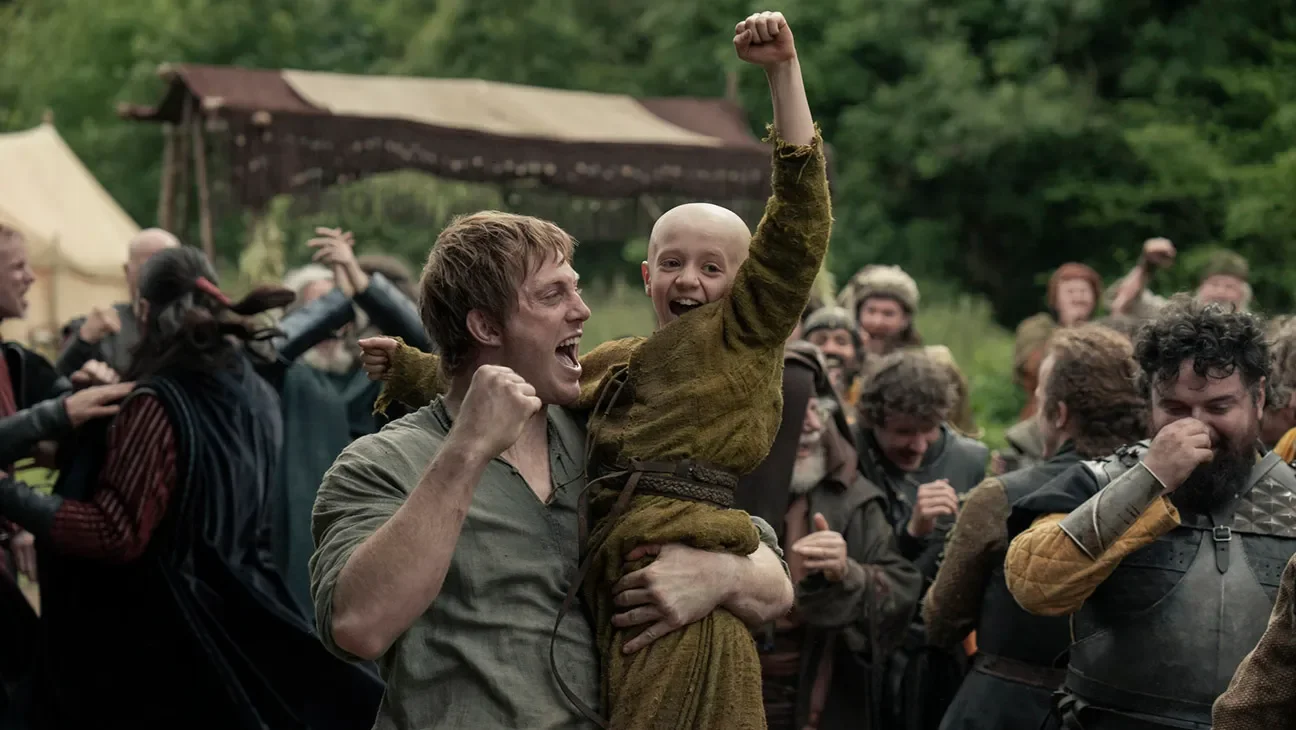
A Knight of the Seven Kingdoms, HBO's newest Game of Thrones spinoff, came out on January 18, 2026. It gives the franchise exactly what it needed: a fresh start. This six-episode series is based on George R.R. Martin's popular Tales of Dunk and Egg novellas. It follows the adventures of Ser Duncan "Dunk" the Tall (Peter Claffey) and his young squire Aegon "Egg" Targaryen (Dexter Sol Ansell) as they compete in a jousting tournament in Westeros, a hundred years before the events of Game of Thrones. This series shows that sometimes smaller stories have the biggest emotional impact, even after the tiring political maneuvering and sad family drama of its predecessors.
The series is great because it is willing to be something completely different in the franchise. The dragons, the huge political plots, and the many characters fighting for screen time are all gone. In their place: two unlikely friends whose relationship becomes the show's beating heart.
The main themes of this series are friendship, honor, and figuring out where you fit in the world. These are much more universal than power struggles between dynasties. The weekly episodes are just the right length, letting the story breathe without the extra stuff that made later seasons of Game of Thrones too long. The whole season takes place in one place over the course of a few days, which makes it feel more personal and makes every moment between Dunk and Egg feel real.
The amazing chemistry between Peter Claffey and Dexter Sol Ansell is what really makes this series stand out. Claffey's Dunk is a revelation—a huge, well-meaning knight whose bravery is much greater than his actual skill. He is honest and sometimes not very bright, but he has a strong sense of right and wrong that makes him instantly lovable. It's nice to have a main character who isn't tortured or morally ambiguous, but just kind.
Ansell's Egg is the perfect counterbalance: he's sharp-witted, wise beyond his years, and fiercely loyal, even though he comes from a secret royal family. The young actor brings "pint-sized smart aleck" energy to the role, and Egg "cares deeply for Dunk," which creates a "jubilant chemistry" that drives every scene. Their playful teasing is full of real love; they're not just friends on the road; they're becoming brothers.
Watching their relationship deepen across the season provides an emotional throughline that previous Game of Thrones series struggled to maintain amid their sprawling narratives.
The show's use of humor isn't a mistake; it's a feature that makes Westeros feel real and lived-in. Yes, there is dirty humor, and yes, the opening scene with diarrhea is shocking, but it makes a very important point: this is a show about regular people living in a rough-and-tumble medieval world, not untouchable nobles who are shielded from the problems of everyday life.
The series is "a comedy, far lighter, faster, and breezier than the shows that preceded it," and that tonal shift allows for genuine emotional range. When Dunk faces real danger or when Egg's background threatens to separate them, those moments hit harder because we've spent time watching them laugh together, struggle together, and care for each other.
That accessibility is a success, not a failure." The show believes that real heart and interesting characters can tell a story without using franchise mythology.
The series demonstrates "dedication to its source material" and is "undeniably the most faithful adaptation of Martin's work," with showrunner Ira Parker translating entire conversations and inner monologues from the page to the screen.
This isn't a dumbed-down version of Game of Thrones—it's a different lens on the same world. The series offers "a small, grounded story you can watch" without extensive homework, focusing on the lives of common people rather than the 1% of Westerosi society. That's not less sophisticated; it's a different kind of storytelling that Martin himself pioneered in these novellas.
The show's exploration of what it means to be a "true knight" in a world where chivalry is mostly performance art provides genuine thematic depth. Dunk's unwavering belief in honor and service, constantly tested by reality, creates a throughline that's both heartwarming and occasionally heartbreaking.
The production remains "lush with color and ambiance," with night scenes where "you can see everything going on and set and styling details that make even the background characters stand out." The jousting sequences—shot from immersive, visceral camera angles—put you inside the helmet with Dunk, making every hit feel personal.
Directors Owen Harris and Sarah Adina Smith know that being close doesn't mean being cheap. It seems like every frame was carefully made, from the muddy tournament grounds to the period costumes that are so detailed. Dan Romer's folksy, whistling score fits the show's warmer tone perfectly, and Ramin Djawadi's famous theme is only used at one perfect moment.
After House of the Dragon's never-ending tragedies and Game of Thrones' increasingly nihilistic last seasons, A Knight of the Seven Kingdoms gives the franchise something it really needed: hope. Not blind hope, but the real belief that kindness and friendship can last in a world that is harsh.
What A Knight of the Seven Kingdoms proves is that franchise expansion doesn't require escalation. You don't need bigger dragons or more shocking deaths—you need characters worth spending time with and relationships that feel earned. Dunk and Egg's journey from strangers to found family provides more emotional satisfaction than a dozen Red Weddings.
The show also solves the prequel problem elegantly: we know Egg eventually becomes King Aegon V, but that knowledge doesn't diminish the present story. Instead, it adds poignancy to watching this disguised prince learn what leadership actually means by following a humble hedge knight.
A Knight of the Seven Kingdoms is the rare prequel that justifies its existence by expanding our understanding of what stories this universe can tell. The delightful, deeply human relationship between Dunk and Egg anchors a series that trades epic scope for emotional intimacy—and emerges stronger for it.
This isn't Game of Thrones lite; it's Game of Thrones from a different angle, one that prioritizes character over carnage and heart over horror. If you've felt franchise fatigue from endless prequels and spinoffs, this show offers genuine renewal. And if you're new to Westeros entirely, there's no better entry point than spending time with two imperfect people trying to do right by each other in an imperfect world.
Occasionally the greatest adventures aren't about saving kingdoms—they're about finding someone who has your back, no matter what. In Dunk and Egg, we've found companions worth following anywhere.