Silenced' Review – A Galvanizing Exposé on the Legal Weaponization Against Survivors
by Kathia Woods
Selina Miles, an Australian director, makes a documentary that doesn't just give facts; it makes them. Silenced played at Sundance 2026. Is an important look at how women who speak out against power are being hurt by defamation laws. After the #MeToo movement, when it seemed like people were finally talking about violence against women, Miles shows us an uncomfortable truth: the silence has only gotten more sophisticated, better protected by the law, and more effective.
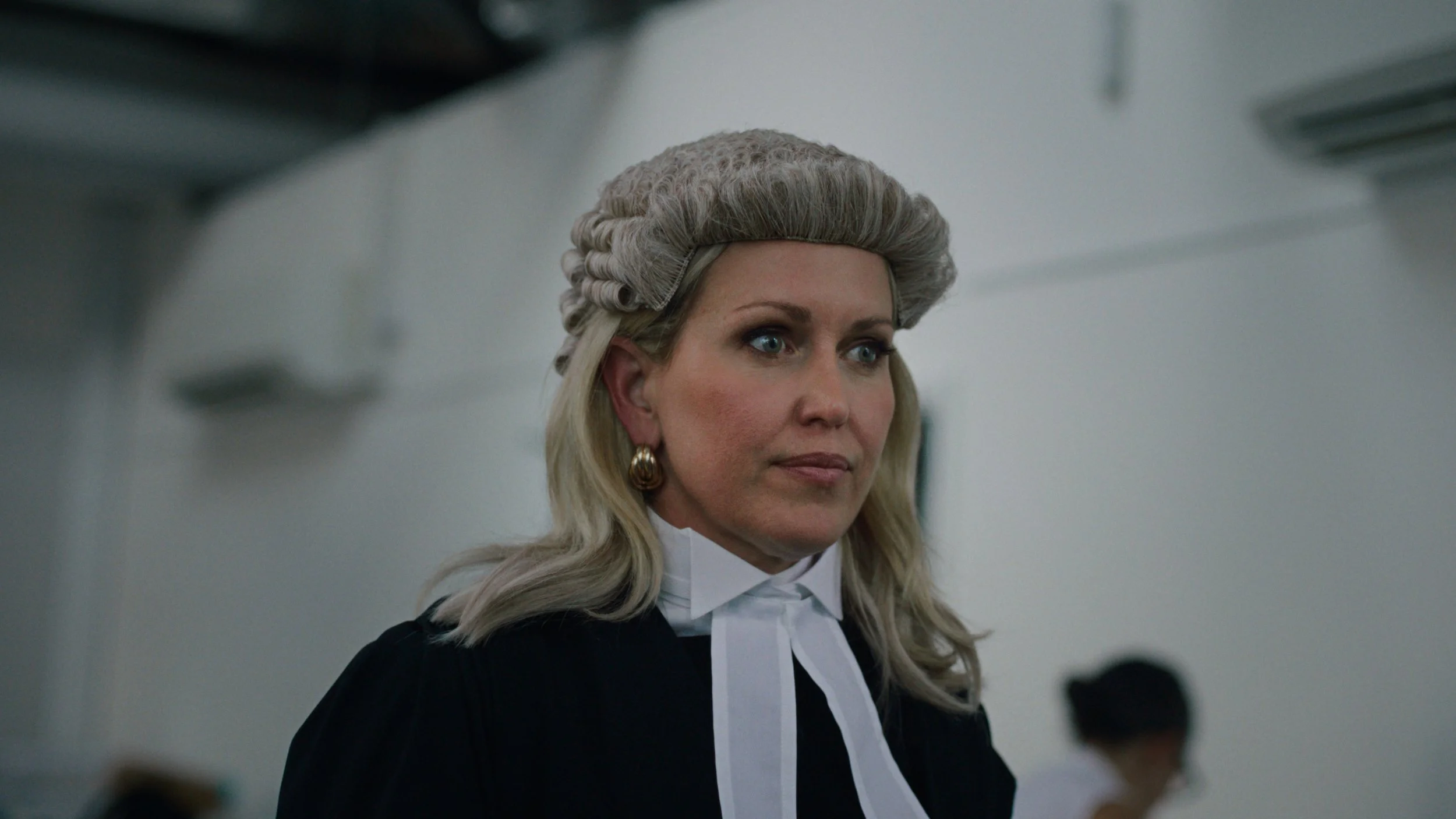
The main character in the documentary is Jennifer Robinson, an international human rights lawyer who has fought for survivors. She is now at the crossroads of law, activism, and fighting back around the world.
Miles highlights situations that are very real and personal. This lets people see not only the public fights, but also the private costs of fighting systems that protect power instead of truth.
The movie is good because it doesn't treat these cases as separate things. Miles shows a scary pattern that goes beyond borders and cultures by putting together the stories of Amber Heard's very public defamation trial, Colombian journalist Catalina Ruiz-Navarro's fight for press freedom, and Brittany Higgins' fight with Australia's political establishment. When women speak out, powerful groups like the law, politics, and the media all work together quickly and effectively to make them look bad, tire them out, and punish them.
Miles' extensive use of archival footage serves two purposes: it shows how harshly the public judged these women and how the system was biased against them in how their stories were told, tried, and judged. The contrast between the intense media attention in the past and the current legal tactics helps us clearly see how defamation laws, which are meant to protect people's reputations, have been twisted into ways to intimidate.
The anger in the documentary is what drives it, and Miles channels it perfectly. This isn't directionless rage; it's the clarifying fury that comes from seeing the machinery of oppression laid bare. For audiences—particularly those who followed the Heard trial or watched Higgins' testimony—Silenced provides context that mainstream coverage deliberately or inadvertently obscured.
What makes Silenced particularly relevant for international audiences is its demonstration that this issue isn't an American problem, an Australian problem, or a Colombian problem—it's a structural feature of how power protects itself globally.
The movie shows how defamation lawsuits work the same way in different legal systems. They use up resources, take years of a survivor's life, and send clear messages to other women who are thinking about speaking out.
Robinson is both a guide and an example. Her legal knowledge gives her a framework, and her clear emotional investment in her clients' well-being makes the abstract ideas of justice and advocacy more real. Miles wisely doesn't write a hagiography of Robinson. Instead, she shows her as someone who is deeply committed but also clearly tired of fighting battles that shouldn't have to be fought in the 21st century.
The movie's pacing is sometimes off, which is a flaw. There are a lot of cases that show the pattern, but it can be hard to see all of them at once. People who don't know much about the details of these high-profile cases might have trouble keeping up with the legal details, but Miles does a great job of putting things in context without making them too simple.
One of the most haunting things about the documentary is how it doesn't shy away from talking about what it costs to speak. Not just in terms of money—though the legal fees alone are huge—but also in terms of feelings, work, and personal life. Silenced doesn't offer easy hope or neat resolutions. Instead, it demands that viewers sit with the discomfort of recognizing that awareness, while necessary, is insufficient. The women in the profiles have made people more aware. They've had a talk. And they have paid a lot for it.
The film's closing message resonates: change requires more than consciousness-raising. It demands vigilance, structural reform, and the willingness of more people to speak even when the costs are clear. In this moment, as defamation suits proliferate and survivors calculate whether their stories are worth the legal, financial, and emotional warfare that will follow, Silenced serves as both warning and rallying cry.
It is essential viewing for anyone who believed #MeToo represented a permanent cultural shift rather than a battle in an ongoing war. Miles has crafted a documentary that respects its audience's intelligence while stoking their outrage—the productive kind that might actually fuel change. For journalists, legal professionals, and advocates working at the intersection of gender violence and press freedom, this film provides both validation and ammunition.
At Sundance, where documentaries often trade in inspiration or expose hidden truths, Silenced does both while refusing to let viewers off the hook with comfortable platitudes. The silence has been broken repeatedly. The question the film poses is whether we'll allow defamation laws to weaponize that courage or whether we'll finally reform systems designed to protect power at the expense of truth.
'Silence' premiered at the 2026 Sundance Film Festival.