In Shih-Ching Tsou's Left-Handed Girl, Family Secrets Come to Light
by Kathia Woods
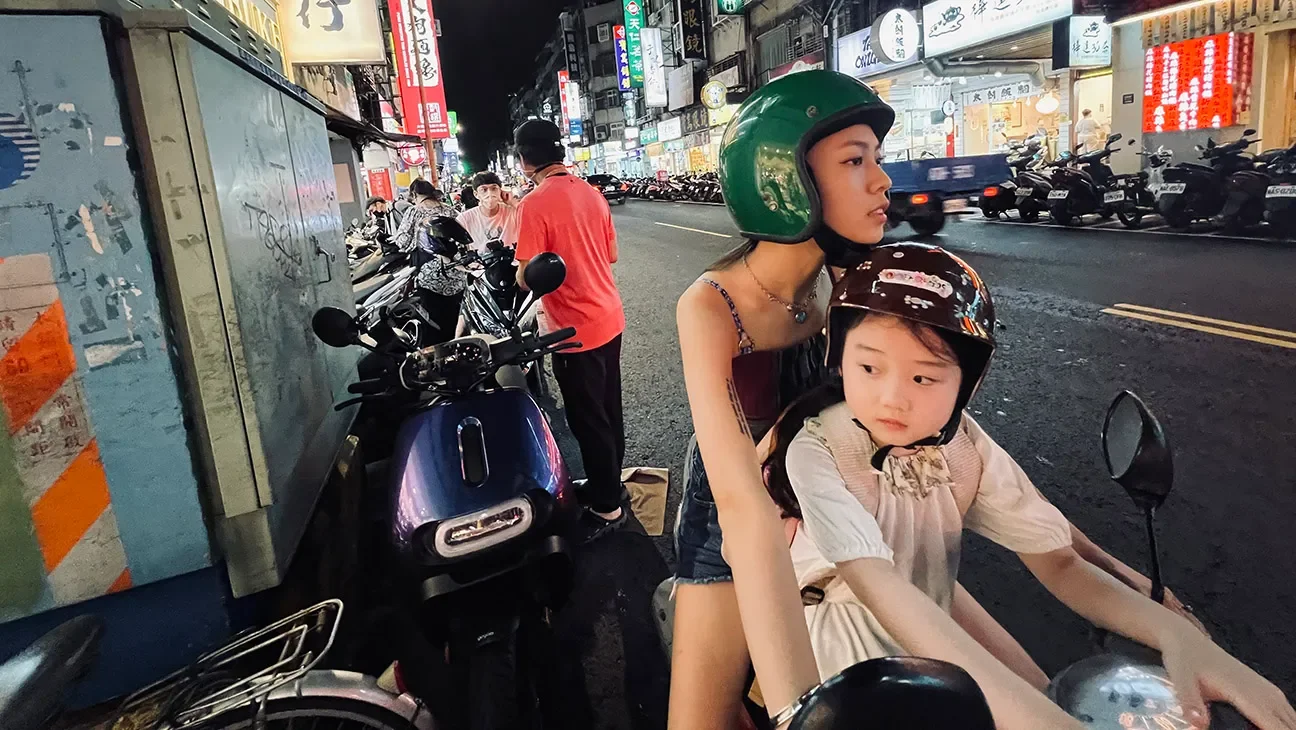
Set against the busy night market in Taipei, Shih-Ching Tsou's Left-Handed Girl is a bright, chaotic, and emotionally powerful picture of a family in transition. Sean Baker helped write and edit the movie, which gives it a sense of immediacy and life that is both documentary-like and cinematic. But the wonderful performance by Nina Ye, the youngest performer, takes the work to a whole new level beyond its already interesting theme of generational conflict and superstition. Ye gives a performance that is shockingly deep at just six years old. It anchors the film's emotional heart and remains memorable long after the credits roll.
The narrative is about Shu-Fen (Janet Tsai) a single mother who moves back to Taipei from the country with her two daughters, I-Ann (Blair Chang) I-Jing (Nina Ye). She runs a noodle business at the night market to make ends meet while also dealing with the challenges of being a parent in a city that has many options but also makes life harder. When I-Jing, the younger daughter played by Ye, is singled out by her stern grandfather and told never to use her left hand, the emotional strain rises. He believes that the left hand is the "devil hand," which is a superstitious idea that can have terrible ramifications on a child who is still trying to figure out who she is.
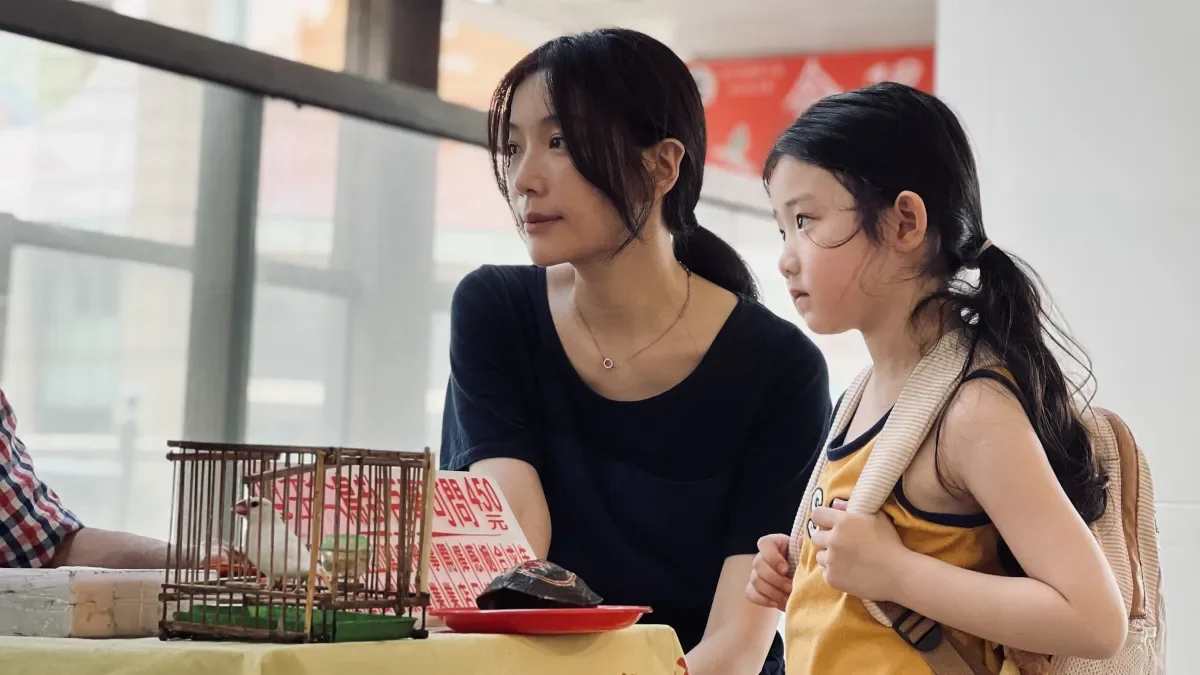
The movie primarily tells the story from I-Jing's perspective, where Nina Ye excels. She embodies the innocence of a child, torn between love and guilt, playfulness and terror. In one scene, she reaches out with her left hand without thinking and then hurriedly hides it, as if she had done something wrong. In one scene, she steals minor things from stores, which is both amusing and sad. Ye shows the subtle inconsistencies of a youngster taking in stigma—her wide-eyed amazement at the world conflicting with her growing sense of shame. It is a performance that is very free of artifice, with motions and expressions that are so natural that they never seem to be acted out.
Tsou's framing of Ye's art also helps it. The camera often stays at her eye level, showing both her sense of wonder and her bewilderment. The movie keeps going back to I-Jing's wordless observations during situations where adults fight or divulge long-hidden secrets. Ye communicates a lot without saying anything, and we can sense the weight of words she doesn't thoroughly understand. The viewer sees how harmful the grandfather's warnings are through her face. They are not just superstitions; they are an inheritance of shame that might be passed down like an heirloom.
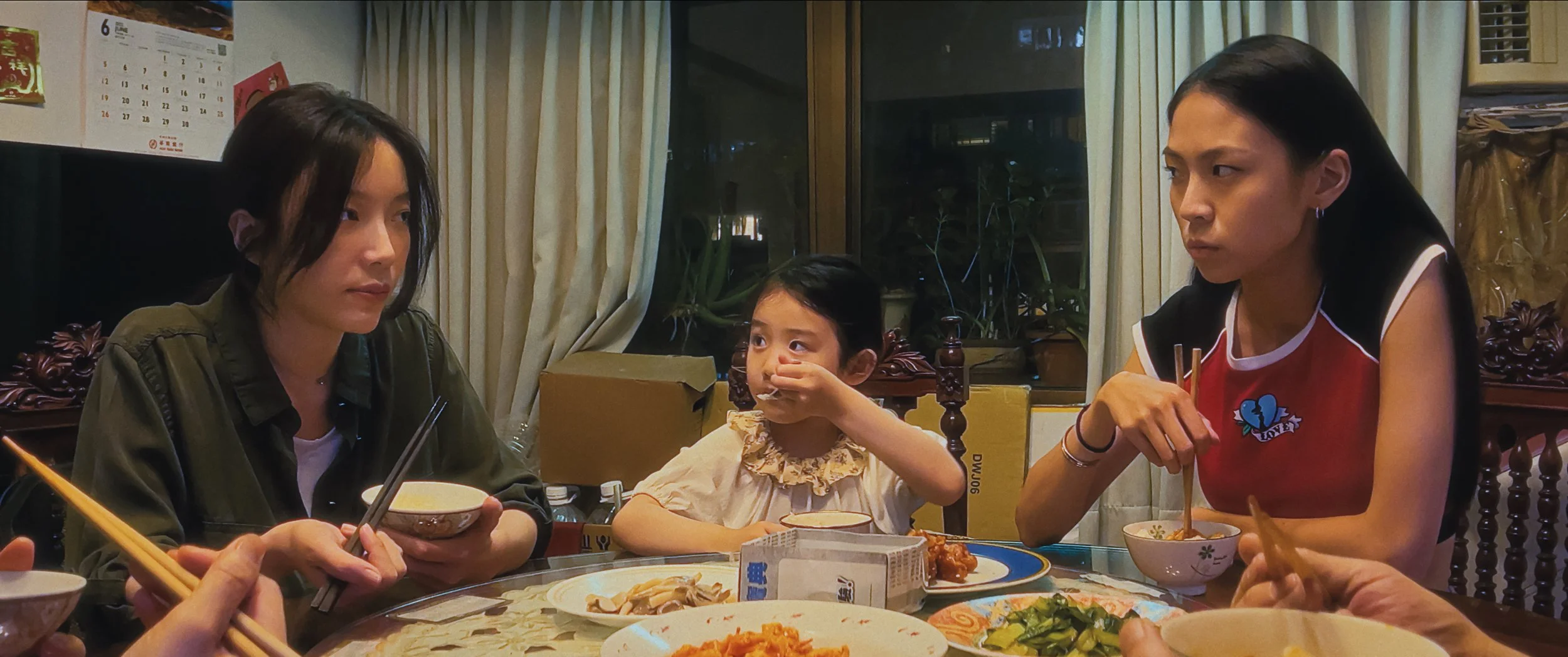
This doesn't mean that the movie doesn't include other great performances. Huang Chia-Ching plays the tired but determined mother, Shu-Fen, which gives the drama a sense of reality. The older daughter, I-Ann, provides another layer to the picture of being a teenager under stress. The grandfather is also played with sincerity, and his strictness never turns into a stereotype. But Ye is the one who holds the group together; her presence is a continuous reminder of what is at stake in this family's fight.
Left-Handed Girl is full of details in terms of style. The night market scenes are full of life, with neon lights, pots banging, and strangers pushing past. This texture provides a wonderful contrast to the closeness of the family's little apartment, where anger and tenderness sometimes come through. Tsou, in close collaboration with Baker, skillfully balances commotion and silence to prevent the story's emotional beats from becoming lost in the scene's turmoil.
The film's ambition is where any flaws lie. The story sometimes goes off on too many tangents, which makes it less captivating. The changes in tone, from lighthearted comedy to serious drama, can be jarring. But even when the movie is too heavy for its own good, Nina Ye's acting brings it back together. Her left hand is a metaphor for both superstition and the way children take on, fight against, and change the views of those who nurture them.
Ultimately, Left-Handed Girl works as both a family drama and a look at culture. It also shows off one of the best child performances in a long time. Nina Ye doesn't just play I-Jing; she lives her, giving voice to every worry and brief joy that isn't voiced. Her work makes sure that people not only see the movie but also feel it emotionally and intimately.
Left Handed Girl hits theaters in limited release on November the 14 and on Netflix November the 28th.