From Oscar Win to Tokyo Drama: Brendan Fraser Shines in Rental Family
by Kathia Woods
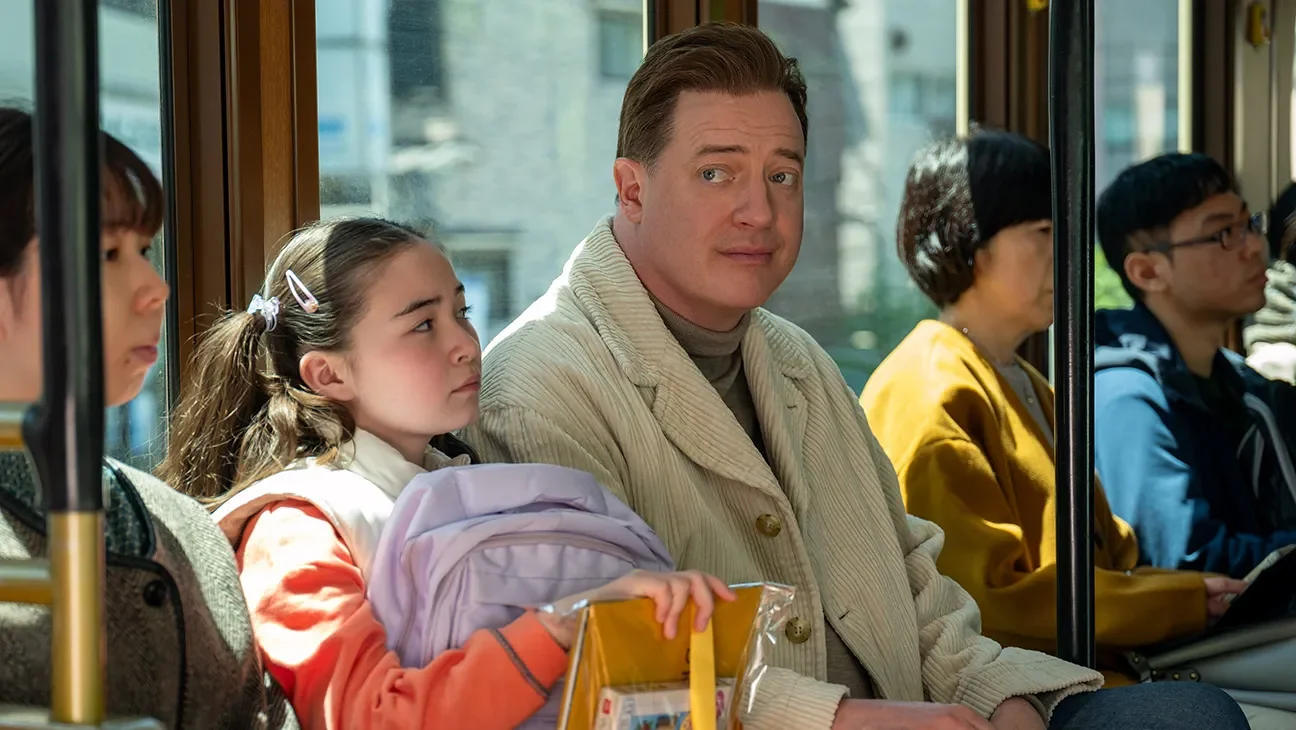
Rental Family follows a lonely American actor living in Tokyo who begins working for a Japanese rental family service, taking on stand-in roles in other people's lives. Throughout his journey, he discovers surprising connections and unexpected joys within this new family.
The film stars Brendan Fraser as Phillip Vandarploeug, an American who has found success with a commercial in Japan but is currently struggling to secure his next role. He suddenly comes across an opportunity that he hopes will change his life around.
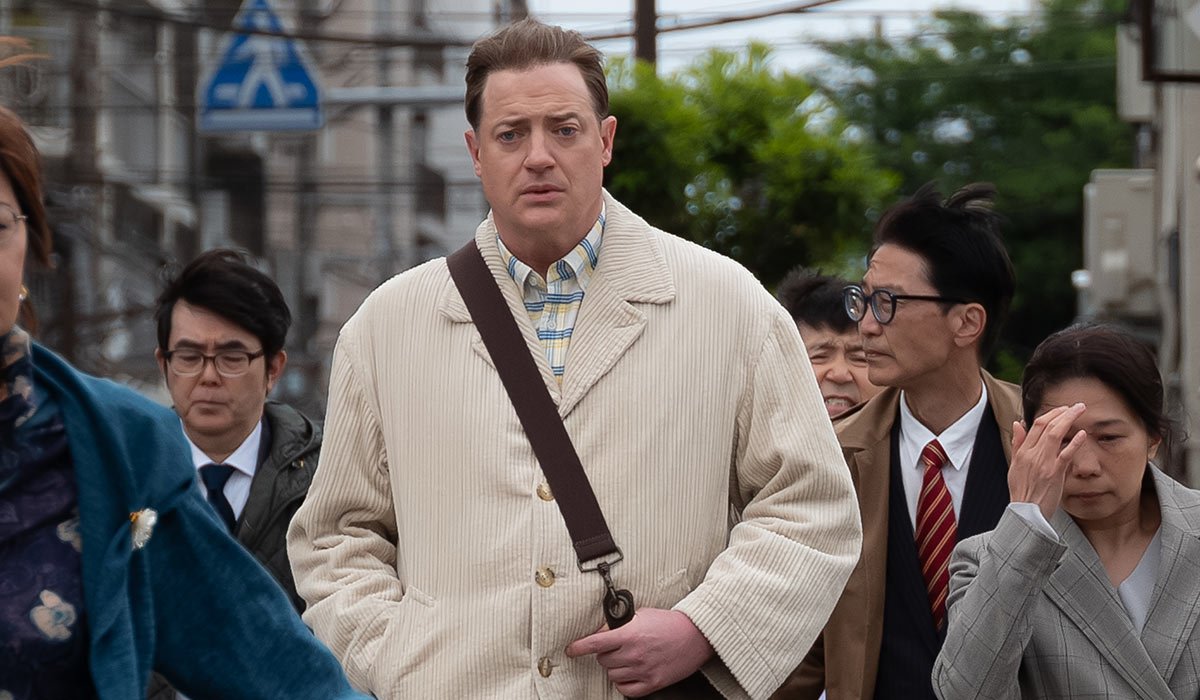
It is worth noting that this film focuses on Japanese culture rather than Western culture. This distinction aids viewers in grasping the context and point of entry in the story. Fraser anchors Rental Family with a performance that is both tender and wounded. Playing Philip, a stranded foreign actor in Tokyo who stumbles into the business of “rental families,” Fraser delivers quiet heartbreak in every glance. His stillness, hesitations, and gentle humor make him endlessly watchable.
Director Hikari builds Tokyo into a living backdrop—both dazzling and isolating. Not only does the audience get to experience the modern sensation that is Tokyo, but they also get to experience the beautiful countryside, which is more tranquil, helping them get a real feel for the country.
Takehiro Hira, as Shinji, the rental family agency owner, is at first presented as a business owner, but soon it is revealed that the agency is more than a business for him.
Mari Yamamoto as Aiko is the heart of the film. She is the bridge between Shinji and Philip, helping them understand the culture of Japan while informing them that some traditions need to change. Shannon Mahina Gorman as Mia Kawasaki is absolutely darling. She may be the biggest teacher among all the Rental Family clients, reminding the adults that kids may be young, but they aren’t naive.
The score by Jónsi and Alex Somers effectively sets the mood of the film, swelling with an ideal touch of melancholy. At its best, the film serves as a poignant meditation on loneliness and the delicate ways in which people attempt to connect.
Rental Family doesn’t always live up to its premise. The episodic structure drifts, and some vignettes feel repetitive; moral questions about deception and emotional labor are suggested but seldom examined in depth. Supporting characters, though capably acted, often feel more symbolic than human. The film does explore loneliness by all the parties involved, even though it doesn’t always do an impressive job showcasing the human need to be seen and needed regardless of age, race, or culture.
Many of the clients are seeking not only to fill a void but also to rectify the mistakes they believe contributed to their loneliness.

Rental Family may not reinvent the dramedy genre, but it offers something meaningful: a tender and thoughtful meditation on belonging, performance, and loneliness. Fraser gives another deeply human performance that confirms he remains one of the most emotionally dependable actors working today. The film's visuals, Tokyo setting, and music all work together to create a unique mood that evokes a sense of being both lost and found.
If the film had leaned more into its darker edges, spent more time exploring moral ambiguity, or expanded the arcs of its supporting characters, it might have been even more powerful. Still, for what it sets out to do, Rental Family succeeds more often than it fails. For audiences who appreciate character pieces over plot-driven spectacle, those who respond to quiet stories about connection, and anyone moved by Fraser's return in this kind of role, Rental Family is worth watching.
Rental Family comes to a theater near you November 21st.