In this archival interview with Cup of Soul, JD Vance reflects on the emotional experience of bringing his family’s story to the screen, the complicated legacy of childhood trauma, and why understanding where we come from can change how we see the people who raised us.
When a Personal Story Becomes Public
Long before JD Vance became vice president of the United States, his life story was already the subject of national debate.
His 2016 memoir, Hillbilly Elegy: A Memoir of a Family and Culture in Crisis, offered a deeply personal account of growing up amid family instability, addiction, economic hardship and the cultural complexities of working-class Appalachia. The book became a bestseller, generating conversations about class, identity, opportunity and the challenges facing communities often overlooked in mainstream American storytelling.
It also attracted criticism from those who questioned whether one family's experiences could adequately represent the broader Appalachian community.
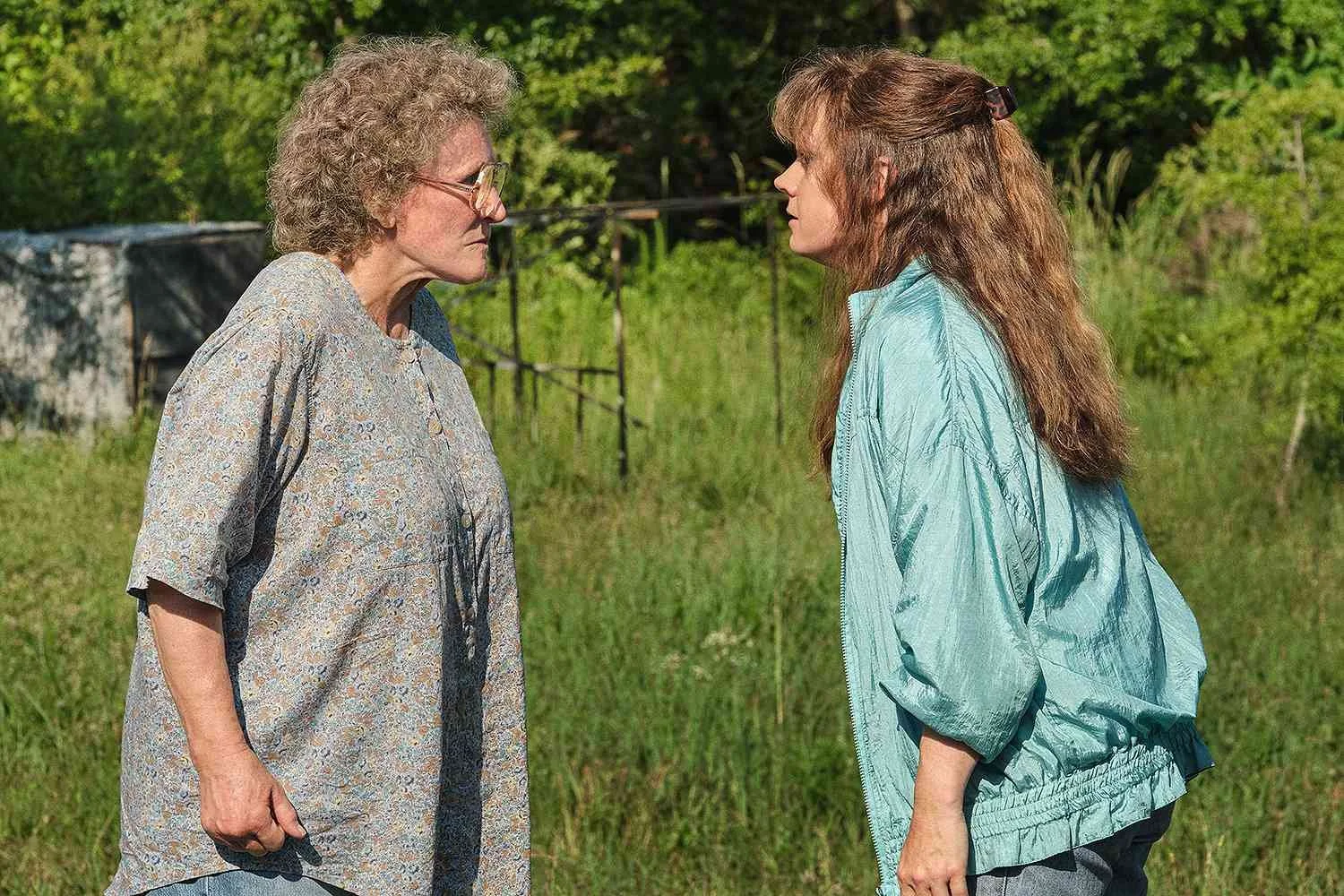
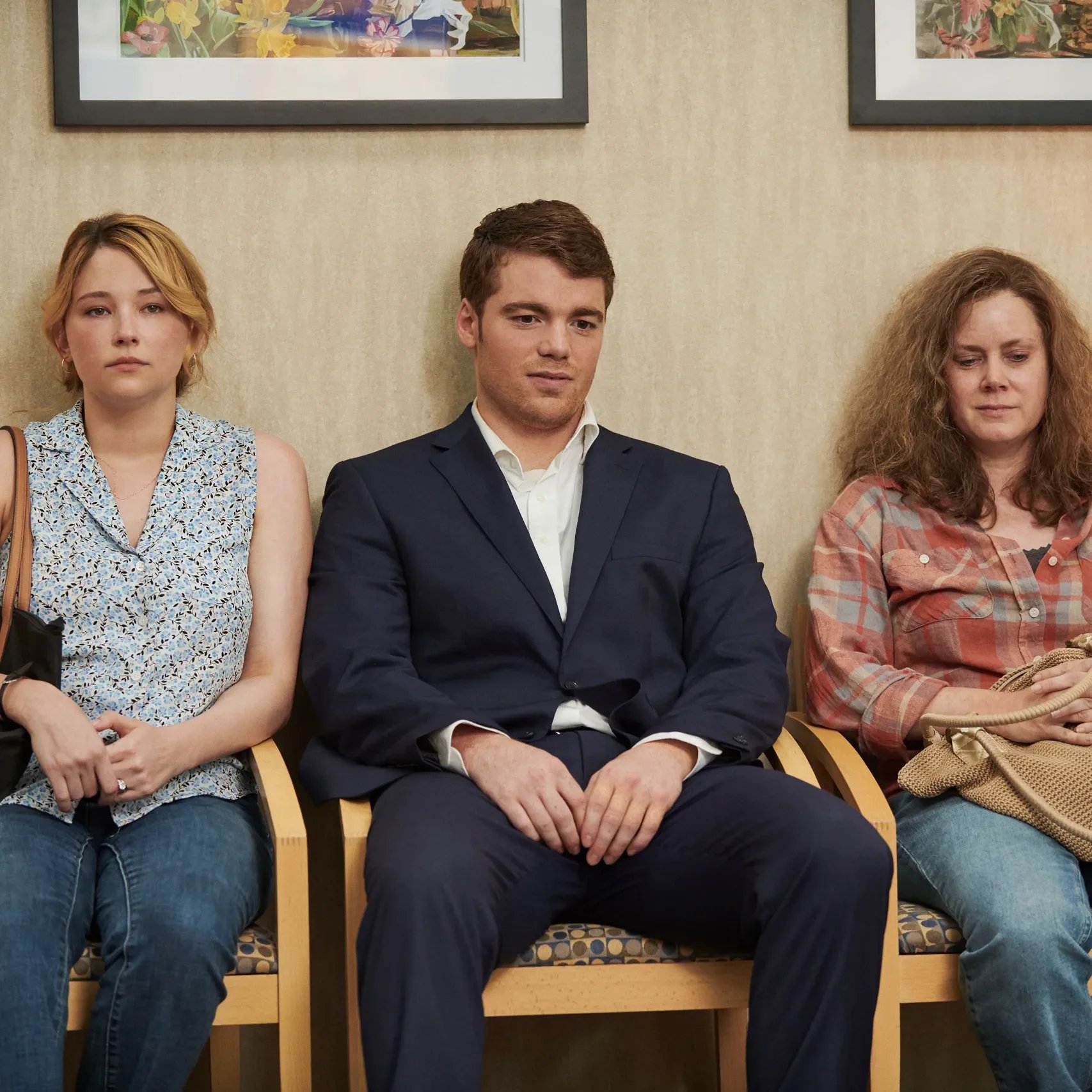
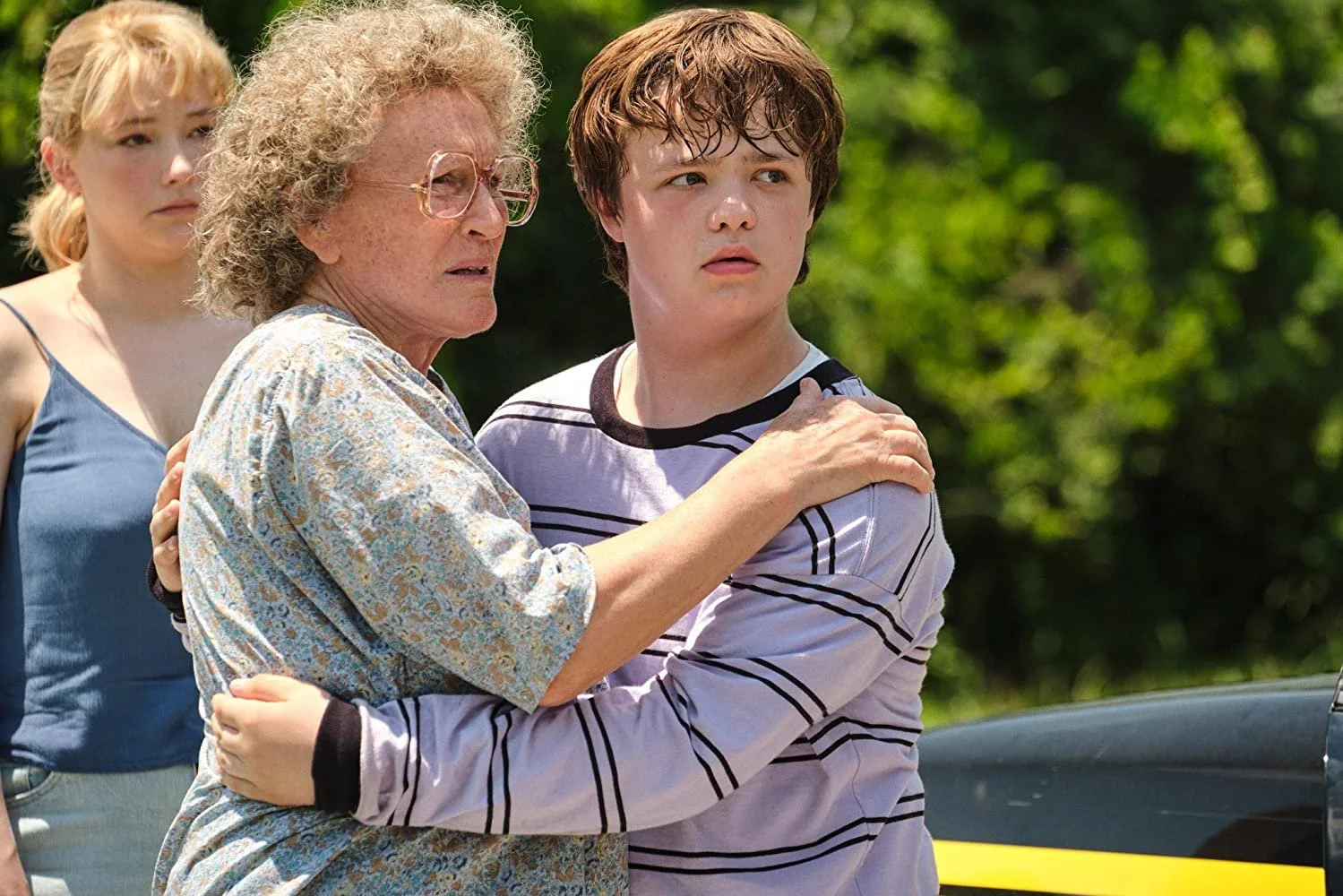
When director Ron Howard adapted the memoir into the 2020 Netflix film Hillbilly Elegy, starring Amy Adams and Glenn Close, the conversation moved from the printed page to the screen. The adaptation placed Vance's childhood, his mother's struggles with addiction and his relationship with his grandmother before a global audience.
But what happens when Hollywood reconstructs the most painful chapters of your life? And what does it mean to watch actors portray people whose memories remain deeply personal?
During the film's promotional period, I spoke with Vance for Cup of Soul about the vulnerability of sharing his family's experiences, the emotional weight of seeing his grandmother portrayed on screen, and the lessons he hoped young people from similarly complicated households might take from the story.
Our conversation focused less on political ideology and more on the human experiences behind the memoir: childhood resentment, intergenerational trauma, forgiveness and the sometimes difficult process of building a different life.
Revisiting that exchange in 2026, with Vance now occupying one of the nation's highest political offices, adds another dimension to a conversation originally centered on family and personal transformation.
His political career has since given Hillbilly Elegy new significance, but the questions raised during our discussion remain relevant beyond any one political figure.
Can understanding a family's history lead to empathy? Can people move beyond the circumstances that shaped their childhood? And when Hollywood tells a deeply personal story, who ultimately controls its meaning?
The Vulnerability of Seeing Your Life on Screen
For an author, surrendering control of a personal story to filmmakers can be unsettling. When that story involves addiction, family conflict and painful childhood memories, the stakes become even more intimate.
I asked Vance what it felt like to have his life adapted for the screen, particularly when a movie exposes emotional wounds in ways that a book may not.
"Yeah, you know, it's pretty wild, and I definitely had some hesitance about turning it into a movie," Vance admitted. "You sort of lose control over it, it's a totally different format."
He explained that his family initially shared those reservations. Their concerns eased after developing confidence in Howard's approach to the material.
"We really liked Ron and really liked what he wanted to do with the movie, and I think he brought a lot of empathy and a lot of understanding to the project."
The family remained involved during production, reviewing scripts and visiting the set. Still, nothing quite prepared them for seeing their lives recreated by actors.
For Vance, the most emotional moment came when Glenn Close stepped into the role of his grandmother, affectionately known as Mamaw.
"The first time we saw her, my uncle, my aunt, my mom, were sort of unable to speak because she really did look just like Mamaw at a certain period of her life."
The film was shot largely in Georgia, including the Macon area, creating a physical distance from the Ohio and Kentucky communities associated with Vance's upbringing. Yet the emotional connection remained unmistakable.
"It's sort of amazing to have these people who you love and you admire, and you wish you could talk to them, sort of brought back to life."
— JD Vance
His observation captures one of cinema's more unusual powers. Film can reconstruct a person through performance, makeup, dialogue and memory. It cannot bring someone back, but it can briefly create the sensation of being in their presence again.
For Vance's family, Close's performance was more than an interpretation of a character. It was a confrontation with someone they had loved and lost.
Beyond the Myth of the Perfect Family
American cinema has long presented the nuclear family as an ideal, even as countless households exist outside that framework.
Families are complicated. They can be sources of security and instability, affection and resentment, sometimes simultaneously.
During our conversation, I asked Vance what he wanted young people navigating circumstances similar to his own to take away from the film.
His response centered on perseverance, but also on something more complicated: learning to understand the people who may have contributed to one's pain.
"I think for those who are going through a similar situation, you know, the two things that I hope that people take from it," he explained, beginning with the importance of continuing forward even when circumstances appear overwhelming.
He acknowledged hearing from young people whose experiences were, in his assessment, even more difficult than his own.
"You've got to find some way to persevere because if you do, sometimes you can find, you know, you can find that light at the end of the tunnel and you can survive."
Yet perseverance was only part of his message.
The second lesson involved recognizing how family dysfunction can extend across generations, shaping relationships long before children understand the circumstances surrounding them.
"When I was a kid, I was so mad at my mom, at people in my family," Vance recalled. "Why are we like this? Why is there so much trauma? Why is there so much chaos?"
Those questions are hardly unique to Appalachia or working-class white families. Across communities and cultures, children often inherit the consequences of decisions, hardships and unresolved experiences that preceded their birth.
Understanding those circumstances does not erase harm or excuse destructive behavior. It can, however, provide a framework for examining why certain patterns persist.
Vance said the film had encouraged some young viewers to reconsider their own family relationships.
"When you put these things in a multi-generational context and you understand where some of these problems come from, it can be easier to understand those people in your life who are good people, but maybe are a little bit complicated."
— JD Vance
His comments point to an important distinction between empathy and absolution.
Recognizing that a parent or relative has experienced trauma does not eliminate the responsibility that comes with their actions. But it may allow someone to understand the larger circumstances surrounding those actions.
Vance expressed hope that viewers struggling with difficult family relationships might find a way toward greater understanding.
"I hope that a lot of people who maybe aren't on speaking terms or don't have the best relationships with complicated people in their life, are able to gain some empathy for them."
Not every relationship can or should be repaired. Still, the desire to understand one's family history is a theme that reaches far beyond the specific circumstances depicted in Hillbilly Elegy.
Healing Is Not a Straight Line
Perhaps the most revealing part of our conversation came when I asked Vance what the experience of writing his memoir and watching it become a film had taught him about himself.
We often frame success as a destination: escape difficult circumstances, achieve financial stability, build a family and leave the past behind.
But personal transformation rarely follows such a straightforward path.
Vance acknowledged that his own understanding of childhood trauma had changed over time.
"One of the things that motivated me to write the book was this feeling that I just had this real anger and resentment and frustration that was just not serving me well, especially in my life with the woman I eventually married."
His admission shifted the discussion from surviving childhood adversity to recognizing how those experiences can continue influencing adult relationships.
"You don't go from a traumatic childhood to a happy-go-lucky two-parent family," he said. "It really does take a journey."
He described the process of confronting childhood experiences as gradual and often unpredictable, requiring patience rather than an expectation of immediate transformation.
"You take three steps forward and two steps back and another step back and then five steps forward."
— JD Vance
It was a strikingly ordinary description of something often dramatized in film as a single moment of revelation.
Real life rarely provides a perfectly timed resolution.
For Vance, writing the memoir created an opportunity to examine the relationship between his upbringing and his adult life. He credited that reflection with helping him better understand the emotional patterns he had carried into his marriage.
At the time of our interview, he measured his personal success less through professional recognition than through the stability he believed he had established at home.
"I've got, you know, two little ones, a happy marriage today, and that's all I really wanted out of my life. So I think I can't take that for granted."
Revisiting Hillbilly Elegy Through a Different Cultural Lens
In 2020, Hillbilly Elegy arrived amid a broader national debate about who gets to tell working-class stories and how those stories are interpreted.
The film drew criticism for its handling of poverty, addiction and Appalachian identity. Its supporters, meanwhile, connected with its emphasis on family bonds, personal responsibility and the possibility of overcoming difficult circumstances.
Both responses reveal something about the expectations placed on stories that represent communities too often reduced to stereotypes.
A personal memoir can illuminate one family's experiences without necessarily explaining an entire region or social class. Likewise, a film can invite empathy for individual characters while leaving larger structural questions about economic inequality, healthcare and opportunity unresolved.
Vance's subsequent political ascent inevitably changes how audiences encounter the film today. Viewers may approach his story through the lens of his public positions, political alliances and the policies associated with his administration.
Those considerations are legitimate subjects for scrutiny. They are also distinct from the specific questions explored in this archival interview.
Our conversation offers a record of how Vance described his family, childhood and personal growth during the film's release. It is not an endorsement of his politics, nor does it settle the wider cultural debate surrounding his memoir.
What it does provide is an opportunity to examine how personal storytelling operates when private experiences become public narratives.
The Lasting Power of Family Stories
At its core, my conversation with JD Vance was about the complicated relationship between memory and identity.
We discussed the people who shape us, the experiences we struggle to reconcile and the realization that adulthood does not automatically free us from childhood's emotional consequences.
Hillbilly Elegy remains a divisive work, and Vance's political career has added further layers to its cultural interpretation. Yet the themes explored in our interview—family dysfunction, generational trauma, resilience and the search for understanding—continue to resonate across racial, geographic and economic boundaries.
Cinema cannot resolve those tensions. But at its best, it can create space for audiences to question what they believe they know about families unlike their own, and perhaps reconsider the stories they tell about themselves.
What did you think of Hillbilly Elegy? Did the film offer a meaningful portrayal of family trauma and working-class life, or did it reinforce familiar stereotypes? Share your thoughts in the comments.