Small Islands, Big Dreams: Cabo Verde's World Cup Run Belongs to All of Us
The fairytale ended Friday night in Miami Gardens, but make no mistake — Cabo Verde won this World Cup.
The Blue Sharks pushed reigning champion Argentina to the brink in the Round of 32, twice erasing deficits before an own goal in the 111th minute of extra time sealed a 3-2 heartbreaker. Lionel Messi needed his record 20th World Cup goal, a set-piece masterclass, and every ounce of Argentina's pedigree to escape a nation of roughly 525,000 people playing in its first World Cup ever.
Let that sit for a moment. Ten volcanic islands off the West African coast, independent from Portugal only since 1975, became the smallest country in the tournament's 96-year history to reach the knockout stage. They did it without losing a single group match — a goalless draw against European champions Spain, a 2-2 thriller with Uruguay, and another shutout against Saudi Arabia. Kevin Pina's goal against Uruguay on June 21 was the first in the nation's World Cup history. By Friday, the whole world knew the Tubarões Azuis.
And the world fell hard for Vozinha. The 40-year-old goalkeeper — who plays his club football in Portugal's second division — made ten saves against Argentina, five of them denying Messi himself. His Instagram following ballooned from about 500,000 to more than 17 million over the course of the tournament, surpassing global sports icons. "We are small, but we have big hearts and we are fighters," he said after the group stage. That is the whole story in one sentence.
A Diaspora Team in Every Sense
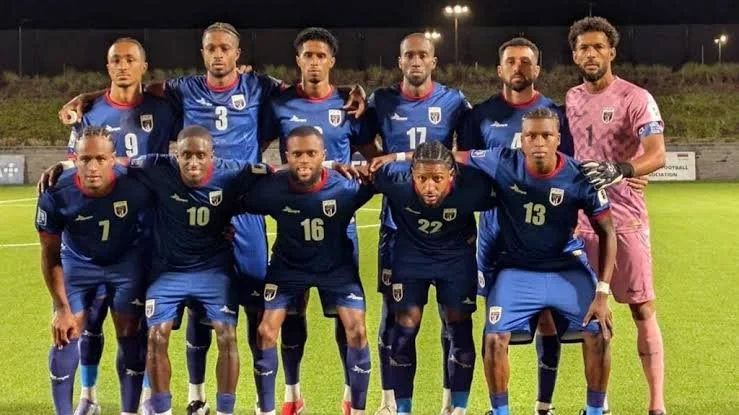
Here is what makes this run resonate far beyond a bracket: Cabo Verde built this team the way the Cape Verdean nation itself was built — across oceans. Of the starting eleven that closed out the group stage, six players were born outside the islands: three in the Netherlands, others in Ireland, France, and Portugal. Coach Bubista's project deliberately reached into the diaspora, calling home the sons of emigrants whose families carried the islands with them to Rotterdam, Lisbon, Dublin, and beyond.
For a country whose diaspora outnumbers its resident population — with deep communities from Portugal and the Netherlands to New England — this team is a mirror. It says belonging isn't measured by a birthplace. It's measured by who claims you and who you claim. That's a story Black folks across the globe understand in our bones, whether the throughline runs through Praia, Port-au-Prince, Salvador da Bahia, or Philadelphia.
It's also a Lusophone story. Cabo Verde now stands alongside Brazil, Angola, and Mozambique in a Portuguese-speaking football tradition, and the islands' cultural exports — think of the late, great Cesária Évora and the aching beauty of morna — have long punched above the nation's size. This summer, the football team joined that lineage.
The Ending They Deserved a Better Whistle For
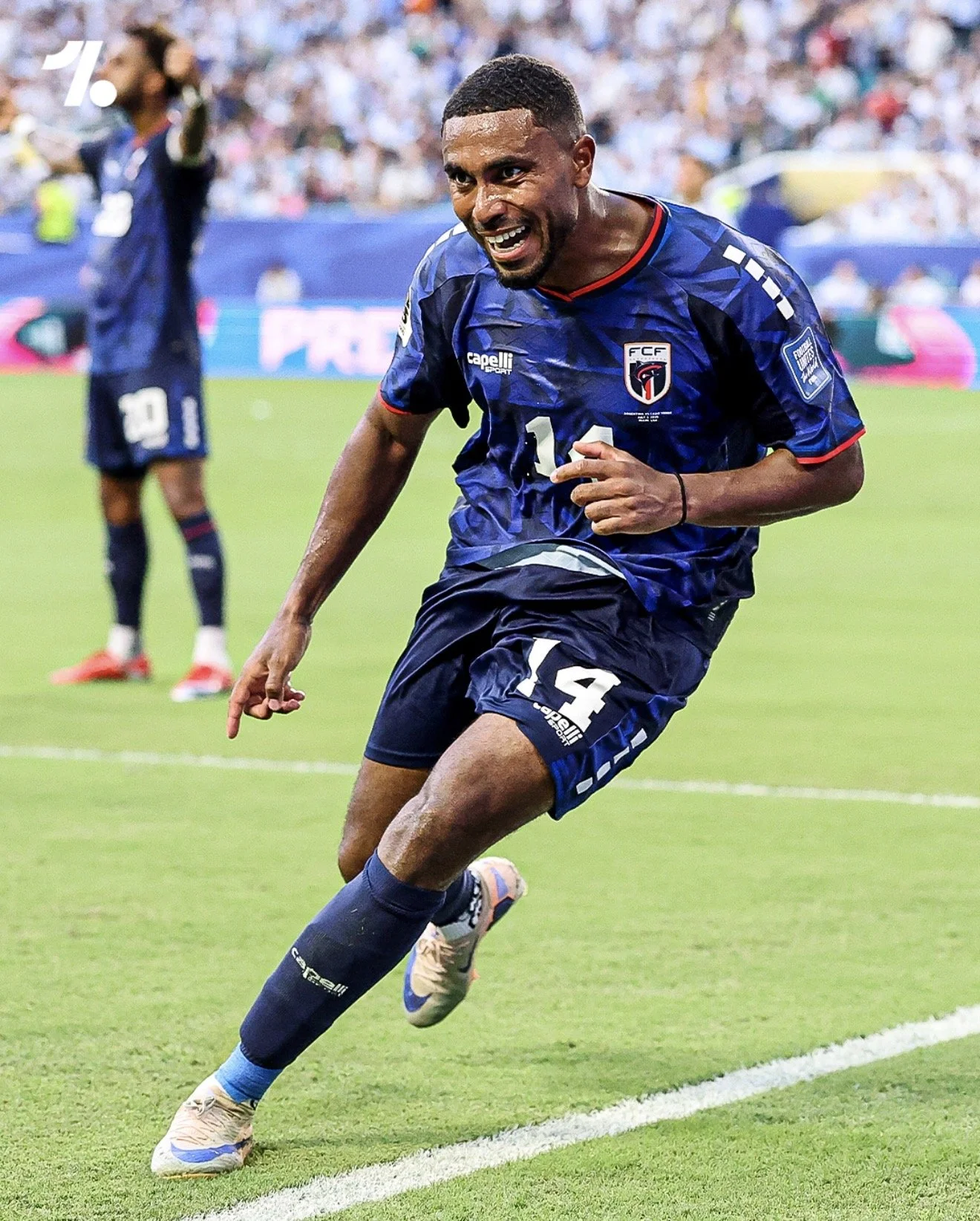
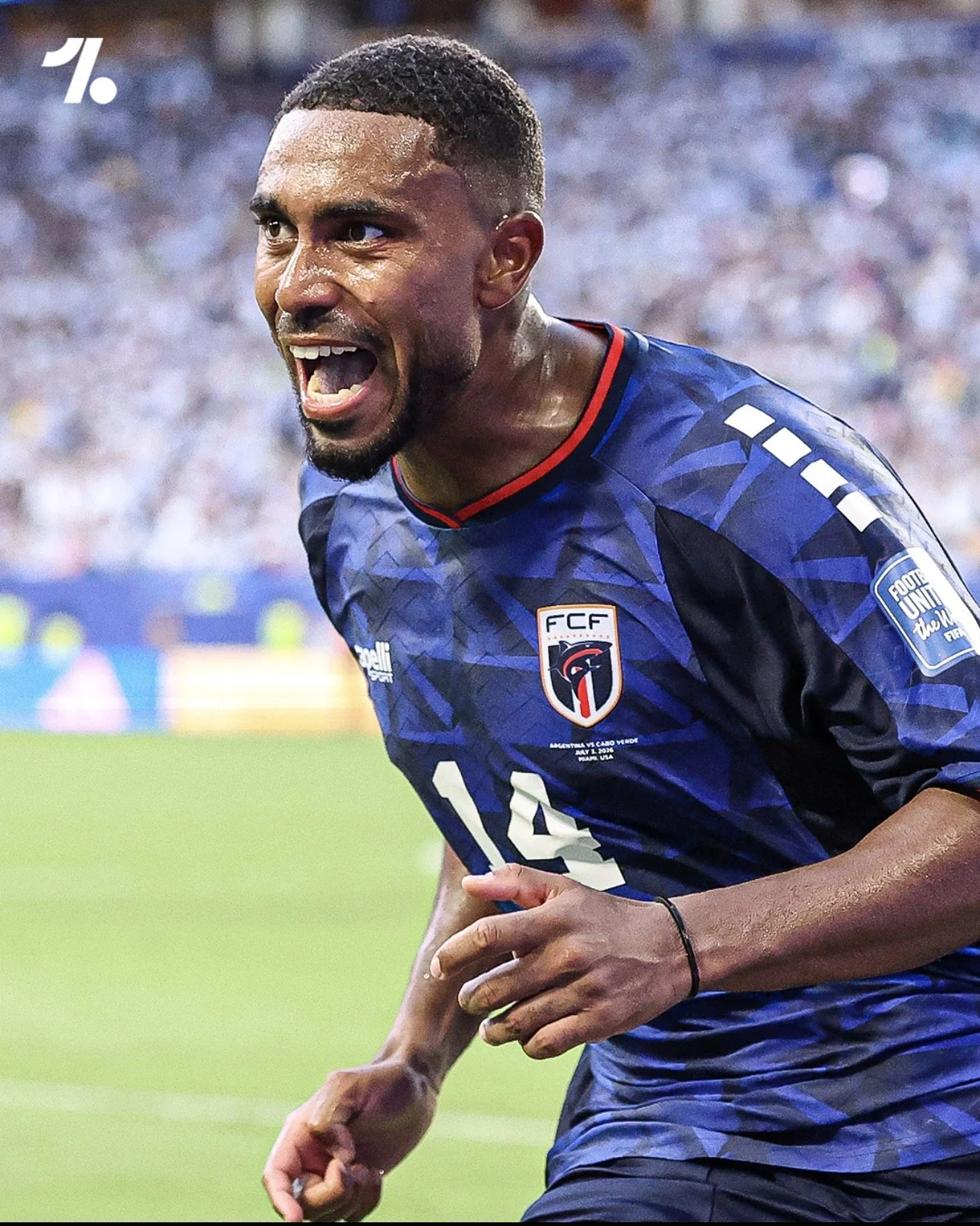
Friday's match will be replayed for years. Messi opened in the 29th minute. Deroy Duarte answered in the 59th with his first international goal, silencing a pro-Argentina crowd in South Florida. When Lisandro Martínez restored Argentina's lead early in extra time, Sidny Lopes Cabral responded in the 103rd with a curling strike from the edge of the box that instantly entered the conversation for goal of the tournament — and may stand as the greatest goal in Cape Verdean history. Only a cruel deflection off defender Diney Borges, from yet another Messi set piece, separated the champions from the debutants.
Argentina avoided what would have statistically been the biggest upset in World Cup knockout history. Cabo Verde walked off having proven that the gap between football's aristocracy and its so-called minnows is smaller than the game's gatekeepers want to admit.
The islands go home with no trophy but with something arguably more durable: a generation of children across Africa and its diaspora who watched a tiny archipelago stare down giants and refuse to blink. Small islands. Big dreams. Bigger hearts.
That's a cup of soul if I've ever seen one