W.E.B. Du Bois: Rebel With A Cause Is the Documentary America Didn't Know It Was Waiting For
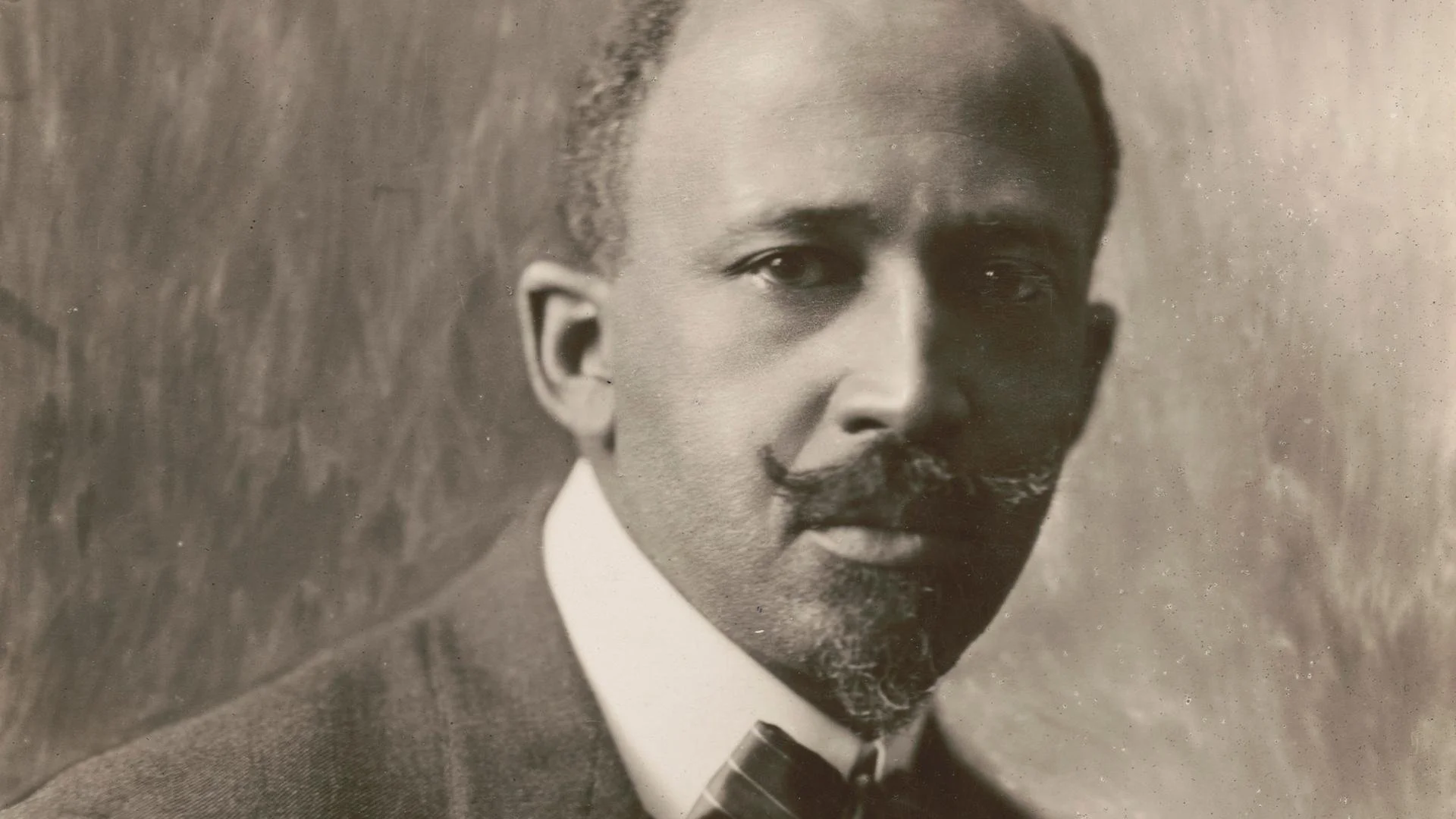
PBS American Masters | Available on PBS.org and the PBS App
There are figures in Black history so towering, so consequential, that we assume we already know them. We put their names on T-shirts, hang their quotes in classrooms, and keep on walking. W.E.B. Du Bois is one of those figures. And W.E.B. Du Bois: Rebel With A Cause, the stunning new two-hour documentary from Peabody Award-winning filmmaker Rita Coburn, arrives precisely to dismantle that comfortable illusion.
Premiering May 19 on PBS as part of the American Masters series, the film traces Du Bois's extraordinary life — from his birth just five years after the Emancipation Proclamation to his death on the eve of the 1963 March on Washington — and makes the case that his legacy as an activist has never stopped resonating. But Coburn is not interested in a bronze statue. She's building something more honest and far more necessary.
Narrated by EGOT winner Viola Davis and featuring dramatic readings from Du Bois's vast written works performed by Common, Courtney B. Vance, and Jeffrey Wright, the film's vocal casting is nothing short of inspired. Davis brings an authoritative gravity to the narration—her voice carrying both reverence and urgency. And watching Wright, Vance, and Common embody Du Bois's words, you feel those pages come alive in ways a historian's voiceover simply could not achieve.
More than 120 years after the publication of The Souls of Black Folk, Du Bois's commentary on systemic racial discrimination and his concept of "double consciousness" still resonate globally, inspiring leaders from the Harlem Renaissance to Dr. Martin Luther King Jr. Coburn knows this. But she also knows that reverence without complexity is just mythology. So she does something braver: she gives us the full man.
The documentary does not seek to sell its audience a shining, ivory portrait of a man's life. The film comments on Du Bois's failures as a father and husband, examines his fraught relationships with other notable Black figures such as Booker T. Washington and Marcus Garvus, and offers an account of Du Bois's shifting opinions on class, gender, and elitism. This is the Du Bois who challenged, provoked, contradicted, and evolved — a man who, as Coburn put it, "has the courage to change his mind."
The film follows his life chronologically, enriched by commentary from leading scholars, historians, artists, and biographers, including Raymond Arsenault, Karida Brown, Eric Foner, Henry Louis Gates Jr., Eddie Glaude Jr., Nikole Hannah-Jones, David Levering Lewis, Imani Perry, and more. It's an intellectual assembly that honors the rigor Du Bois himself demanded—scholarship not as performance but as a weapon.
And a weapon is exactly what this film feels like right now. The two-hour documentary highlights how history repeats itself, including the need for Du Bois's works and voice. In a political moment when the "color line" Du Bois named in 1903 has shape-shifted but never disappeared, Rebel With A Cause lands like a direct dispatch from the past to the present.
"My hope is that this documentary invites reflection and sparks dialogue, not only about who Du Bois was but also about the world we continue to shape in his wake," said Coburn. She's done far more than that. She has produced essential viewing—the kind of documentary that challenges us to stop quoting Du Bois from a comfortable distance and actually sit with what his life required of him and what his legacy demands of us.
W.E.B. Du Bois: Rebel With A Cause is streaming now on PBS.org and the PBS app.