Jupiter Festival Miami Recap: A Strong First Year That Still Needs to Find Its Identity
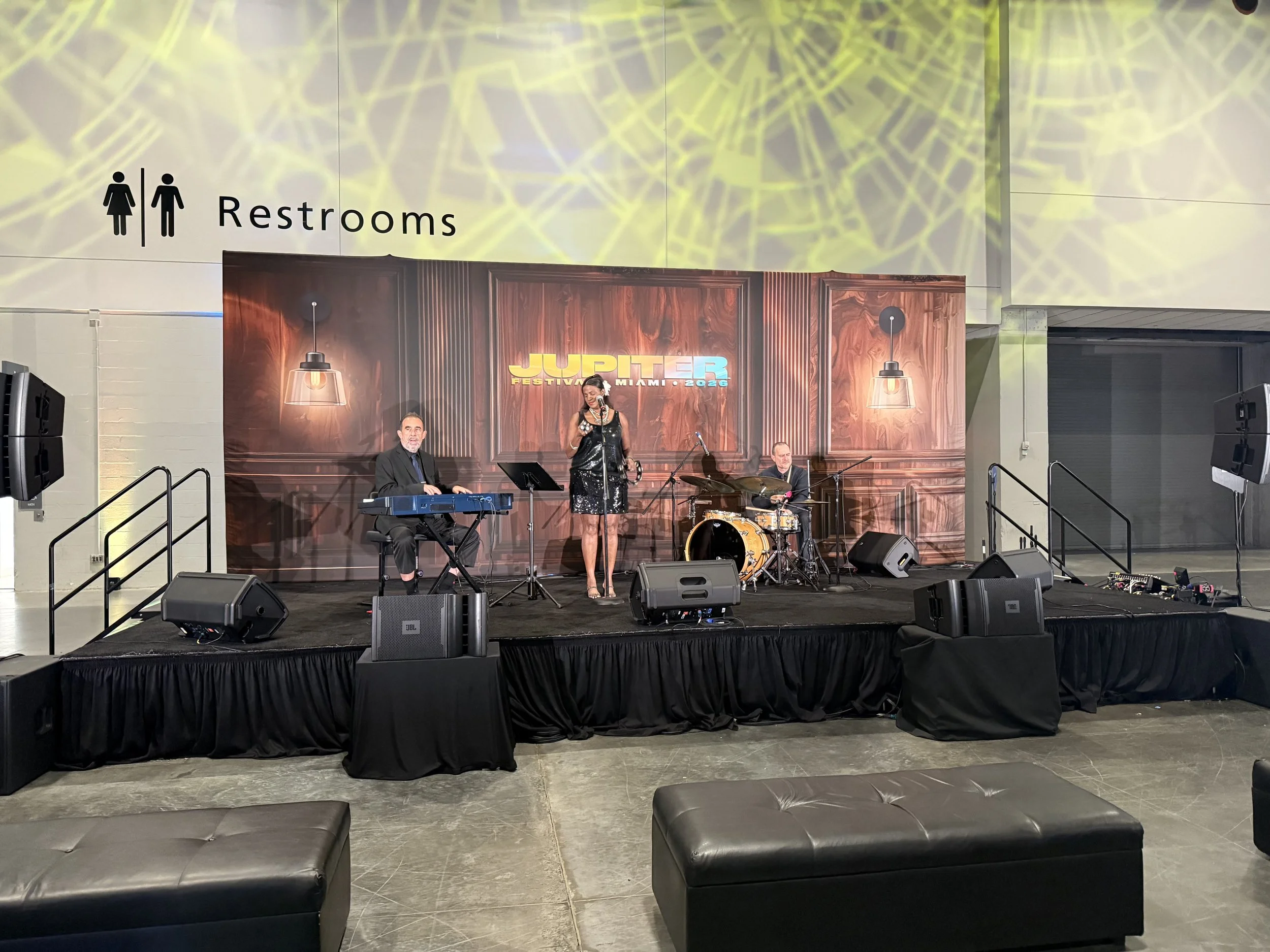
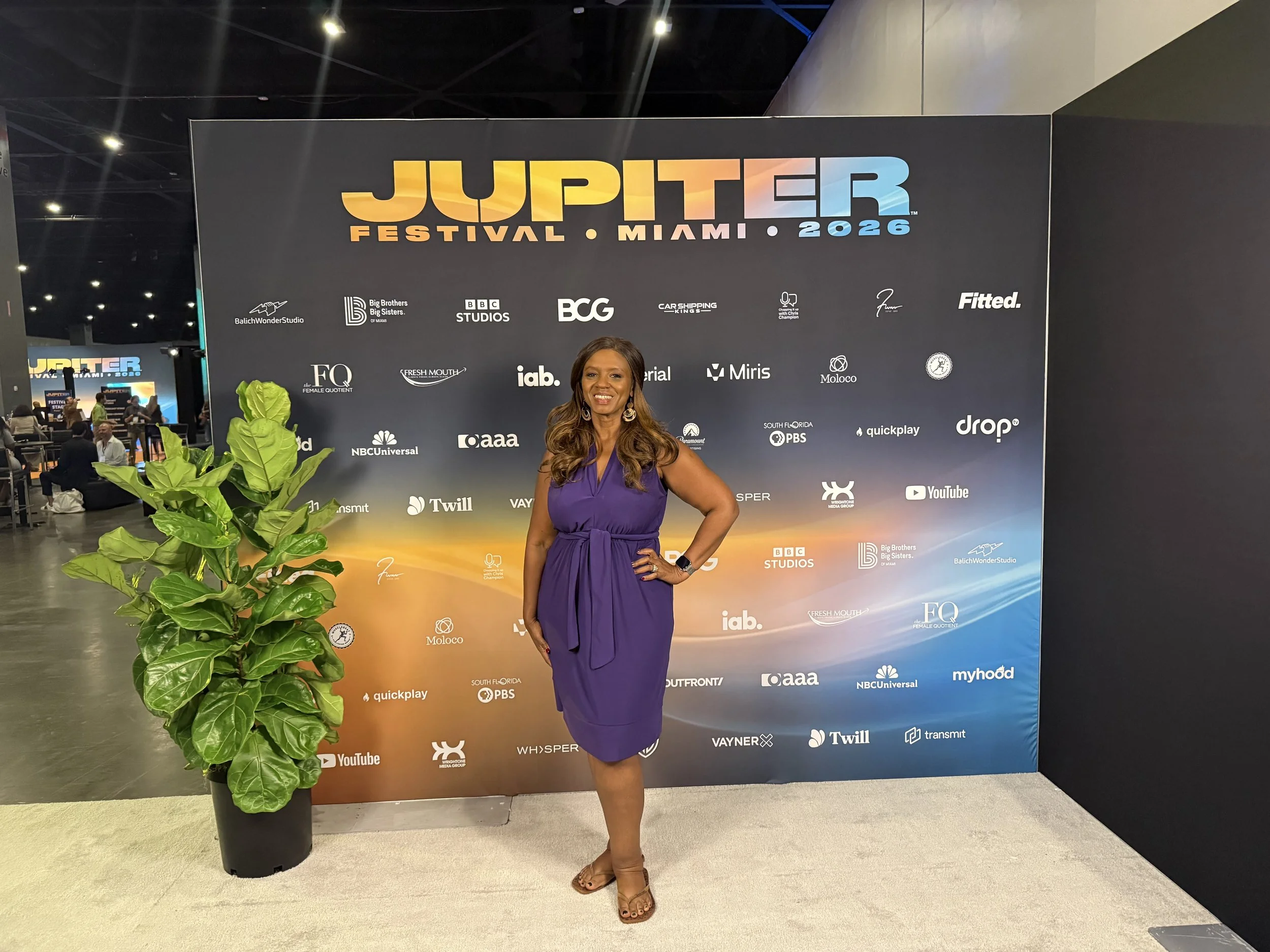
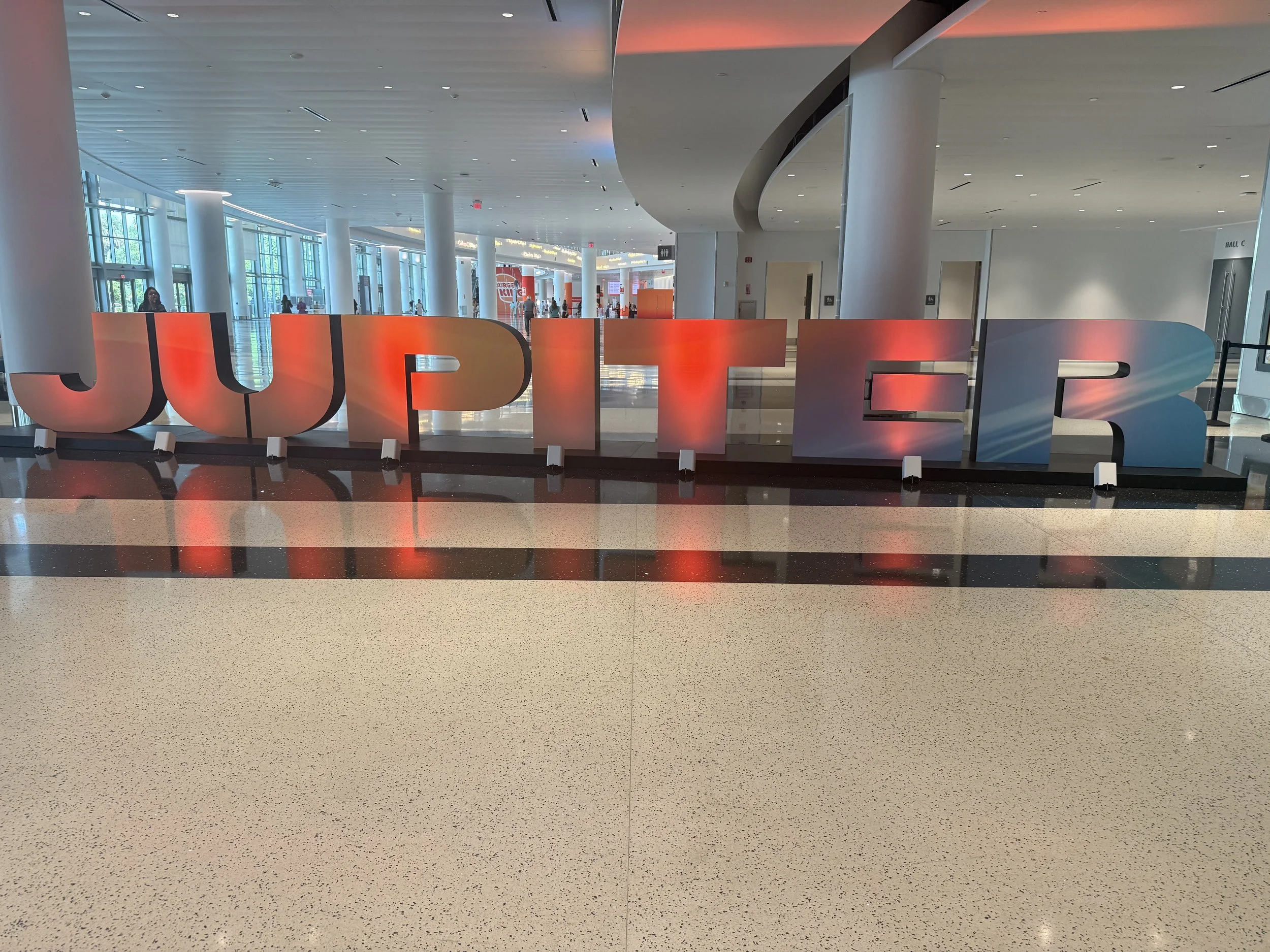
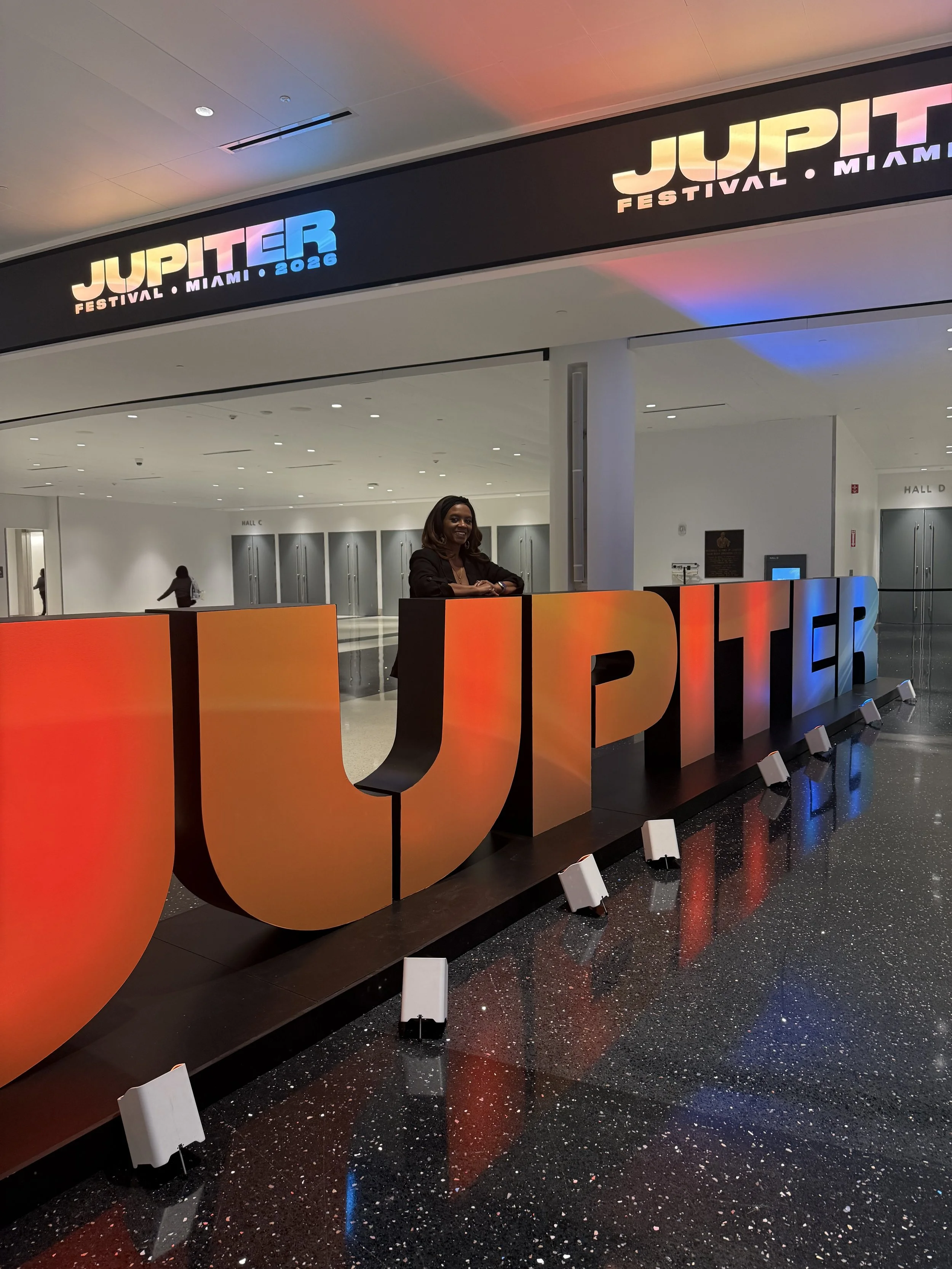
Jupiter Festival came to the Miami Beach Convention Center Oct. 6–9, promising a new home for the people shaping media, entertainment, and sports. In its first year, it got a lot right for the people in the room. The press area worked. The Wi-Fi held. The coffee kept flowing, and the networking happened.
What Jupiter has not yet determined is its identity and purpose. Is it a festival or a conference? Who is it for? And can an event about the future of content leave out the people who report on it?
I attended the Cup of Soul event as a credentialed member of the press. Here's what worked, what didn't, and what Jupiter should fix before year two.
A big-money debut
Jupiter was founded by Cannes Lions alum William Mellis and former Fox Sports Media Group CMO Eric Markgraf. Its backers include Art Basel parent MCH Group, which owns 20% of the venture, along with Cannes Lions, YouTube, Boston Consulting Group, and the Interactive Advertising Bureau (Adweek).
Over four days and three stages, sessions covered creators and the attention economy, fandom and sports rights, and AI's effect on creativity and discovery. Organizers told Adweek that 2,231 attendees met their goal, though the outlet noted the event felt sparse at times. Pre-event promotion had projected about 5,000.
What worked
Jupiter took care of its attendees, and that's harder than it sounds for a first-year event.
Intimacy and access. Being a first-year event worked in Jupiter's favor. Crowds were smaller, the atmosphere was more intimate, and speakers were far more accessible than at larger, established conferences.
The press area. Media had a real place to work, which is not a given. Too many events treat press as an afterthought. (lighting, stand-up area, as well as outlets)
The podcast stage. It was one of the most engaging corners of the floor and a smart nod to where audiences actually spend their time.
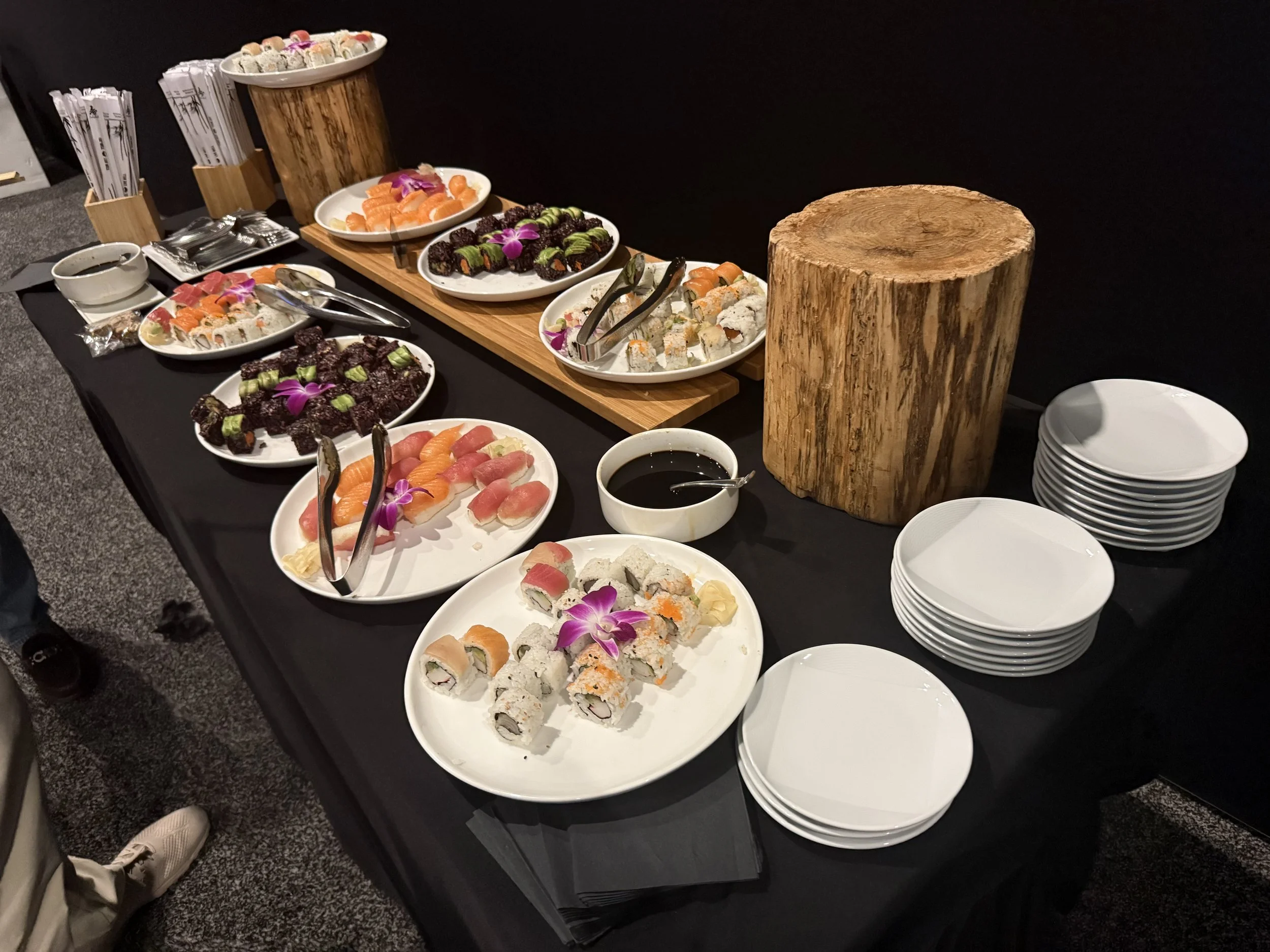
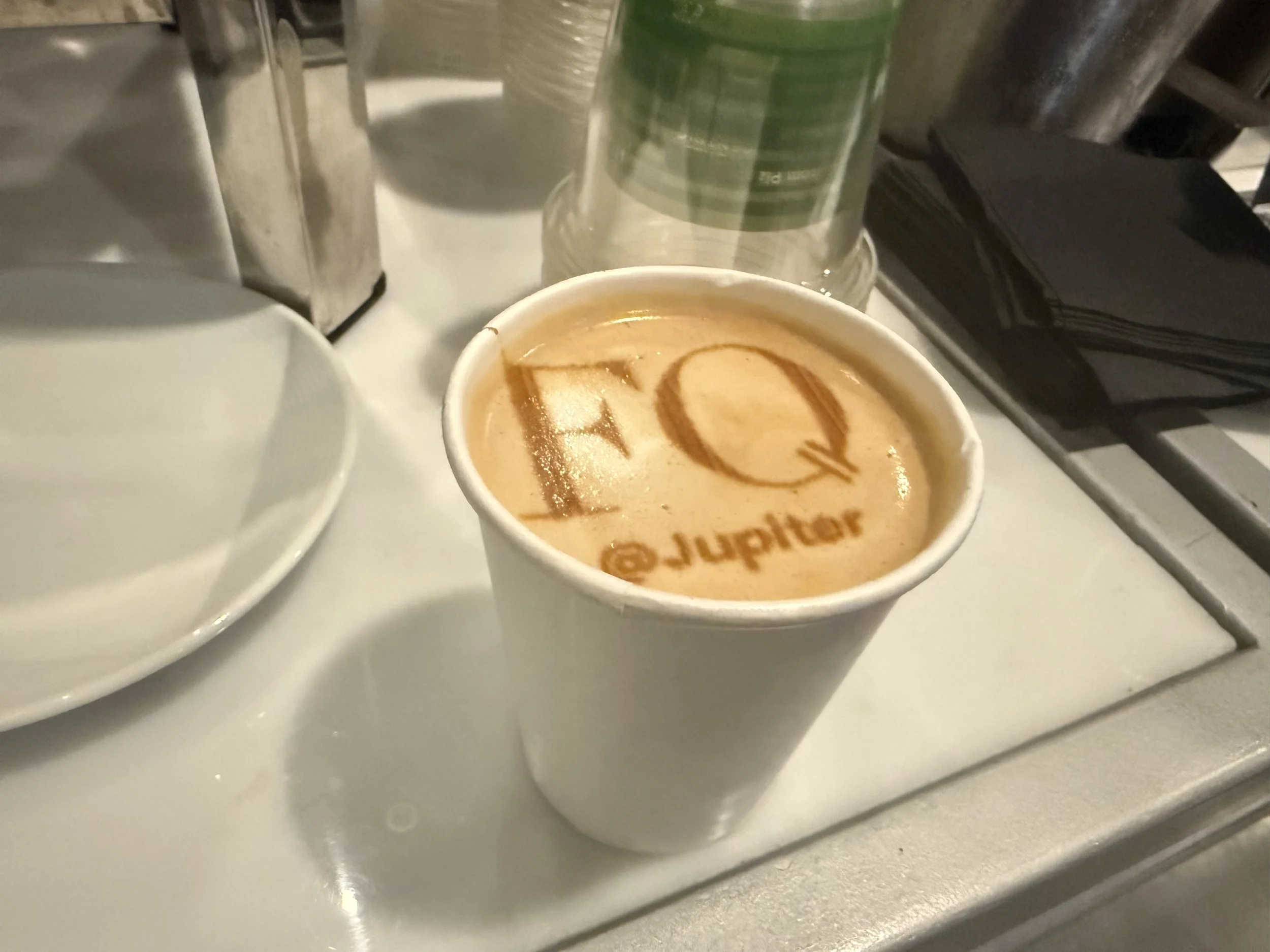
Food, coffee, and snacks. Coffee stations and snacks during breaks kept people fueled through long days.
Networking that worked. Between the happy hours and the dedicated networking areas, it was easy to meet people. For many attendees, that's the reason to come.
Reliable Wi-Fi. Anyone who has tried to file from a convention center knows how rare reliable Wi-Fi is.
Session highlights
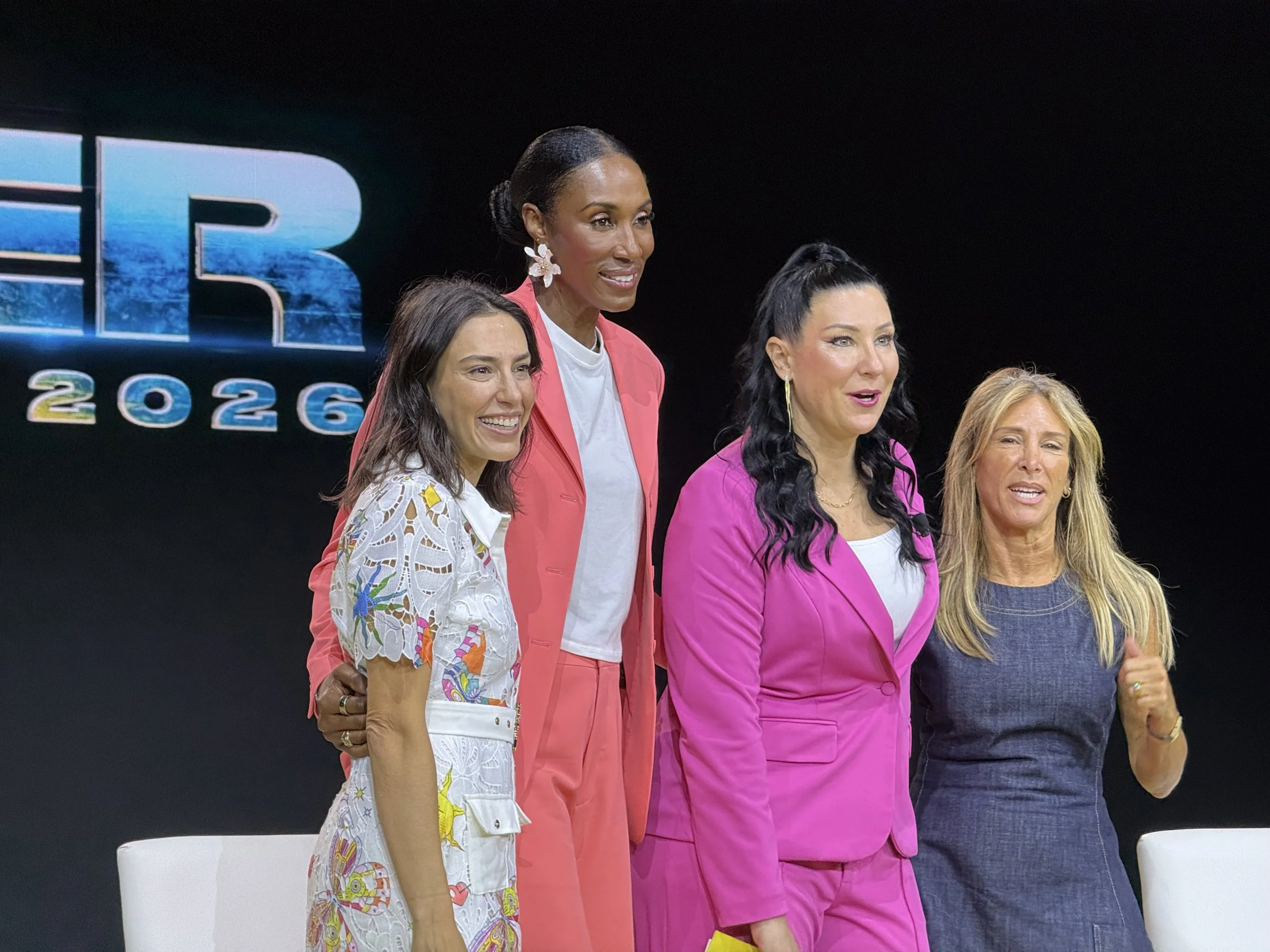
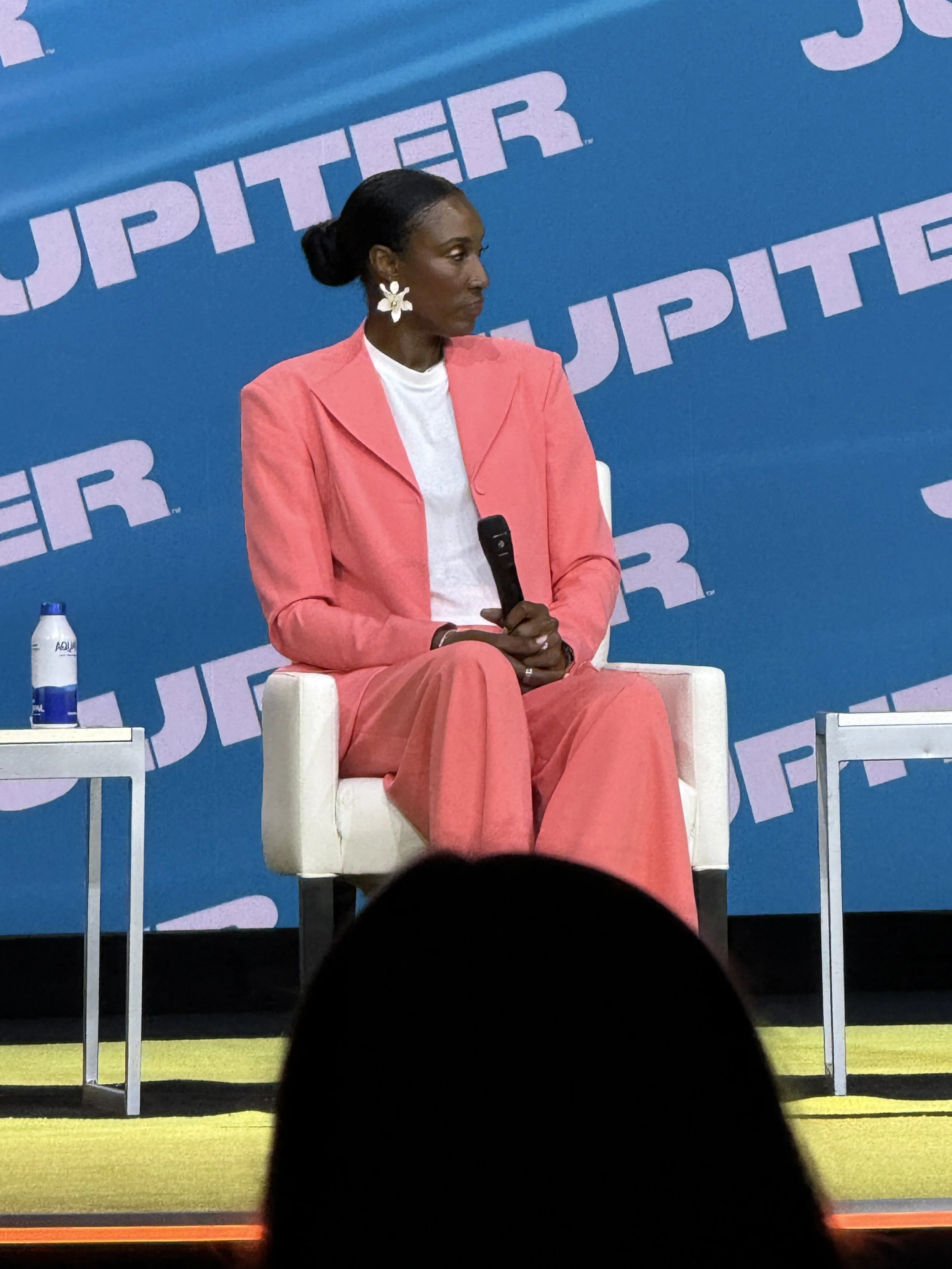
One of the most human moments of the week came from WNBA legend Lisa Leslie, who joined Shelley Zalis of The Female Quotient for a conversation on the women's sports economy. Leslie talked about staying a hands-on mom through her professional basketball career. At home, she said, it's still "Wash the dishes before you go to bed" and "Did you get your homework done?"
Her point: no matter what we do with our careers, we're still Mom. This aspect of the women's sports story rarely makes the highlight reel, which is precisely why speakers like Leslie deserve far more promotion.
What needs work?
Festival or conference? The name set expectations the event didn't always meet. "Festival" suggests culture, energy, and a public-facing experience. At times, Jupiter felt like a trade conference, and some attendees were confused about which one they'd signed up for. Year two needs to pick an identity, or deliver on both.
Star power, under-sold. Jupiter booked dynamic speakers, including WNBA legend Lisa Leslie, but didn't promote them nearly enough. Speakers like Leslie can fill a room and draw people who wouldn't otherwise buy a badge, but only if attendees know they're coming.
No one was promoting the event. Jupiter's social presence was the weakest part of the event. There was no official hashtag, and local news and media weren't there to help amplify it. That's a missed opportunity, because Jupiter offers real value to creators and entrepreneurs, and its production was polished down to the details. An event built with that much care needs future attendees to know it exists. Stronger outreach to Miami locals would also help it feel like part of the city, not a closed room inside it.
Big names, competing time slots. Some of the most significant talks ran against each other. Headline speakers should anchor the Jupiter Stage on their own, so attendees don't have to choose between them.
None of these problems is fatal. For a first outing, launched in this economy, Jupiter has nowhere to go but up.
The missing conversation
Jupiter's biggest gap wasn't logistics. It was who got a seat on stage and what went unsaid.
The speaker lineup needed more diversity, in color and in profession. Advertising, platforms, and sports business were well represented. Journalism was not.
The closest Jupiter came was "Beyond Reach: The New Publisher Power," a session on how The New York Times turned itself from a newspaper into a modern media company. Tusar Barik, the Times's senior vice president of marketing, explained how products like Games, Cooking, Wirecutter, and The Athletic build daily habits and loyalty, and how the paper's ad business uses that portfolio, along with video and generative AI tools, to reach new audiences. Amanda Neham of Telly moderated.
It was a valuable look at a publisher that has figured out revenue, and others can learn from it. But it was a business story, not a journalism story. A media festival can't celebrate the business of news without asking what has happened to news itself.
Aggregated news has drained traffic and revenue from the outlets that do the reporting, especially independent and Black-owned publications. That vacuum has helped misinformation spread. Leaving that out of an event about "the future of content" isn't a minor oversight. It's a failure.
Jupiter positions itself at the intersection of content creation and journalism. That made the absence of a journalism panel even harder to ignore. Reporters, editors, and independent publishers are all navigating the same new normal: shrinking referral traffic, AI-generated summaries of their work, and audiences who now get news from creators. A panel on how journalists can adapt to that landscape should have been scheduled, as it would have been one of the week's most useful sessions.
To build the future of media, Jupiter must include journalists, particularly independent and Black journalists.
The Cup of Soul Take
I would go back.
Jupiter has a real opportunity to fill a void in the market: an event where creators, entrepreneurs, brands, and media meet in the same room, at a scale where people can actually reach each other. The gaps I've laid out are fixable, and most first-year events would trade for Jupiter's positives. The press support, the access, the hospitality, and the networking all landed well.
Most importantly, I had the opportunity to meet numerous remarkable individuals, and for an event centered on connection, that is the most significant measure. If Jupiter brings journalism to the table and tells the world it exists, year two could make it essential.