From medieval towns and Carpathian mountain escapes to hearty cuisine and surprisingly accessible prices, Romania offers plenty to discover. But is it right for every traveler?
When Americans dream of a European vacation, France, Italy, Spain, and Greece usually dominate the conversation. Romania? Not so much.
Yet this Eastern European destination has much of what travelers seek in Europe: centuries-old architecture, dramatic landscapes, lively cities, distinctive cuisine, and cultural traditions that haven't been completely overshadowed by international tourism.
At World Travel Expo (WTE) Miami in October 2026, Romania made a noticeable push to attract international attention. Its prominent presence raised an interesting question: Is Romania one of Europe's most underrated destinations?
For travelers interested in experiencing Europe beyond its most heavily promoted capitals, the answer may be yes. But before booking a ticket to Bucharest, there are a few things worth knowing.
Beyond Dracula: What Makes Romania Worth Visiting?
Romania's most recognizable tourism association remains Transylvania, thanks largely to the legend of Dracula. Bran Castle, often marketed as Dracula's Castle, attracts visitors intrigued by its Gothic appearance and literary connections.
But Romania's cultural identity is considerably richer than vampire folklore.
The medieval city of Brașov offers cobblestone streets, colorful buildings, and access to the Carpathian Mountains. Sibiu, another historic city in Transylvania, is known for its distinctive architecture, public squares, and cultural festivals.
Bucharest, the capital, presents a different experience. Grand boulevards, historic buildings, museums, cafés, and contemporary restaurants reveal a city shaped by both its royal past and communist-era history.
Beyond the cities, travelers can explore the traditional villages of Maramureș, the painted monasteries of Bucovina, and the Danube Delta, a remarkable wetland ecosystem known for birdlife and natural beauty.
Romania isn't simply another European destination with castles. It's a country with layers of history, regional traditions, and landscapes that deserve attention on their own terms.
Is Romania Affordable? The Pros and Cons
One of Romania's strongest selling points is the potential for a less expensive European vacation.
Compared with destinations such as Paris, London, or Amsterdam, Romania can offer lower prices for accommodations, restaurant meals, and local transportation.
Travelers may find that their budgets stretch further, particularly outside major tourist areas and during the shoulder seasons.
However, affordable does not mean everything is inexpensive.
International airfare, upscale boutique hotels, private tours, and popular accommodations in Transylvania can add considerably to the total cost. Prices also rise around holidays, festivals, and peak summer travel periods.
Romania may offer good value, but travelers should still compare actual costs before assuming it will be a bargain.
Romanian Food: What Should You Eat?
Romanian cuisine is one of the country's most interesting and often overlooked attractions.
Influenced by Balkan, Central European, Ottoman, and regional culinary traditions, the food emphasizes comforting flavors, grilled meats, soups, vegetables, cheeses, and generous portions.
For first-time visitors, several dishes deserve a place on the itinerary:
Sarmale: Cabbage rolls typically stuffed with seasoned meat and rice, often served with polenta and sour cream.
Mici (mititei): Small, grilled skinless sausages commonly served with mustard and bread.
Ciorbă: A category of sour soups prepared with vegetables, meat, or other regional ingredients.
Mămăligă: A cornmeal dish similar to polenta, often paired with cheese, sour cream, or stews.
Papanași: A popular dessert made with fried or boiled cheese-based dough, commonly topped with sour cream and fruit preserves.
Romania also has an established wine culture, including indigenous grape varieties such as Fetească Neagră and Fetească Albă.
For travelers who enjoy discovering a destination through its food, Romanian markets, bakeries, traditional restaurants, and wineries offer a compelling introduction.
There are considerations, however. Traditional menus can be meat-heavy, and travelers with vegetarian, vegan, or other dietary requirements may need to plan more carefully, particularly in smaller towns.
The Challenges: What Travelers Should Know
Romania has plenty of appeal, but it also presents practical challenges.
Transportation: Trains connect many major cities, but journeys can be slower than travelers accustomed to Western Europe's high-speed rail systems might expect. A rental car can provide flexibility in rural areas, although road conditions and driving styles vary.
Language: Romanian is the official language. English is often spoken in major cities, hotels, and tourist-oriented businesses, but it is less consistently available in rural communities.
Infrastructure: Bucharest and other major destinations offer modern hotels and services, while some rural locations have more limited transport connections and tourist facilities.
Crowds: Romania may be overlooked internationally, but that does not mean its best-known attractions are empty. Bran Castle and popular mountain resorts can become crowded during peak travel periods.
Accessibility: Historic cobblestone streets, older buildings, mountain terrain, and uneven sidewalks can present challenges for travelers with mobility needs. Confirm accessibility arrangements directly before booking.
When Is the Best Time to Visit Romania?
Spring and early autumn are particularly attractive for travelers interested in sightseeing, cultural experiences, and exploring historic cities.
May, June, September, and early October can offer a balance of pleasant weather and manageable visitor numbers, although conditions vary by region.
Summer brings festivals, outdoor dining, and opportunities for hiking, but also higher temperatures and greater demand at popular destinations.
Winter offers a different experience, particularly in mountain resorts and cities with seasonal markets. Travelers should prepare for cold weather, snow, and potential transportation disruptions.
The Bottom Line: Should Romania Be on Your Travel List?
Romania won't replace Paris, Rome, or Barcelona, nor does it need to.
Its appeal lies in offering something different: medieval towns, mountain scenery, distinctive food, historic villages, and a European cultural experience that many international travelers have yet to explore.
It is especially appealing to curious, independent travelers willing to spend time researching transportation, regional differences, and local customs.
For those who prioritize seamless train connections, universally accessible infrastructure, or a highly polished luxury tourism experience at every stop, parts of Romania may require more planning.
But for travelers interested in going beyond Europe's most familiar itineraries, Romania deserves serious consideration.
And judging by the country's presence at WTE Miami, Romania is ready to make a stronger case for itself on the international tourism stage.
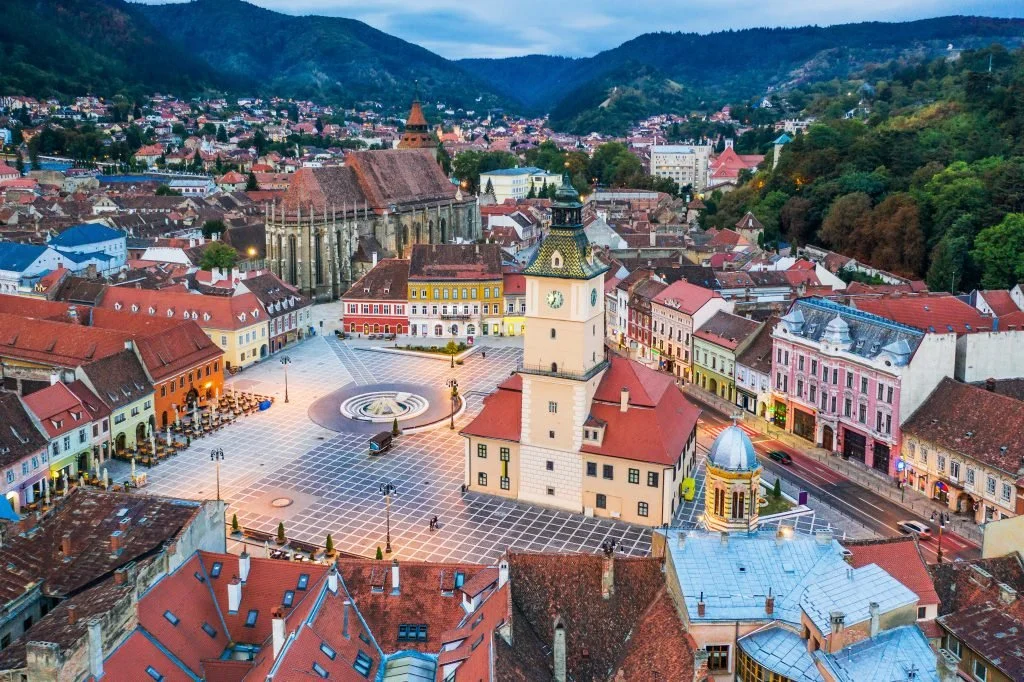
Council Square
Romania Travel Requirements for Americans in 2026
For U.S. passport holders, visiting Romania is relatively straightforward.
Romania is part of the European Union and the Schengen Area. Americans can visit without a tourist visa for up to 90 days within any 180-day period across the Schengen Area.
Before traveling, visitors should know:
Passport: Must be valid for at least three months beyond the planned departure date. Six months of remaining validity is a sensible precaution.
Visa: Not required for qualifying U.S. tourist visits of 90 days or less.
Currency: Romania uses the Romanian leu (RON), not the euro.
Entry procedures: The EU's Entry/Exit System (EES) involves digital registration of eligible non-EU travelers, including biometric information.
ETIAS: The European travel authorization system is being introduced separately. Travelers should verify whether it has become mandatory before departure.
Driving: Travelers planning to rent a car should check international driving permit requirements with their rental company.
Travel insurance: Medical and trip-cancellation coverage are recommended.
Is Romania Safe for American Tourists?
The U.S. State Department currently places Romania at Level 1: Exercise Normal Precautions, its lowest travel advisory level.
Visitors should still take standard precautions against pickpocketing, particularly in crowded transportation areas and tourist attractions. Road safety deserves additional attention, especially for travelers planning to drive between cities or through mountain regions.
Romania also experiences earthquake risk, particularly around Bucharest.
As with any international destination, travelers should review updated government advisories before departure.
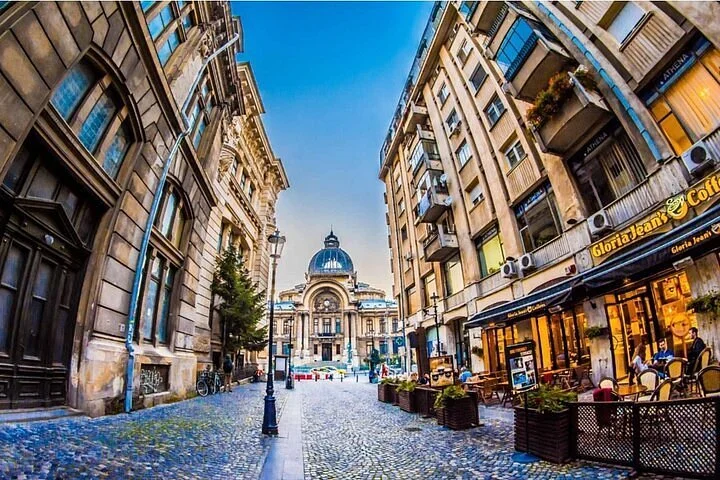
Calea Victoriei