La Vénus Électrique (The Electric Kiss) — Cannes 2026 Opening Film
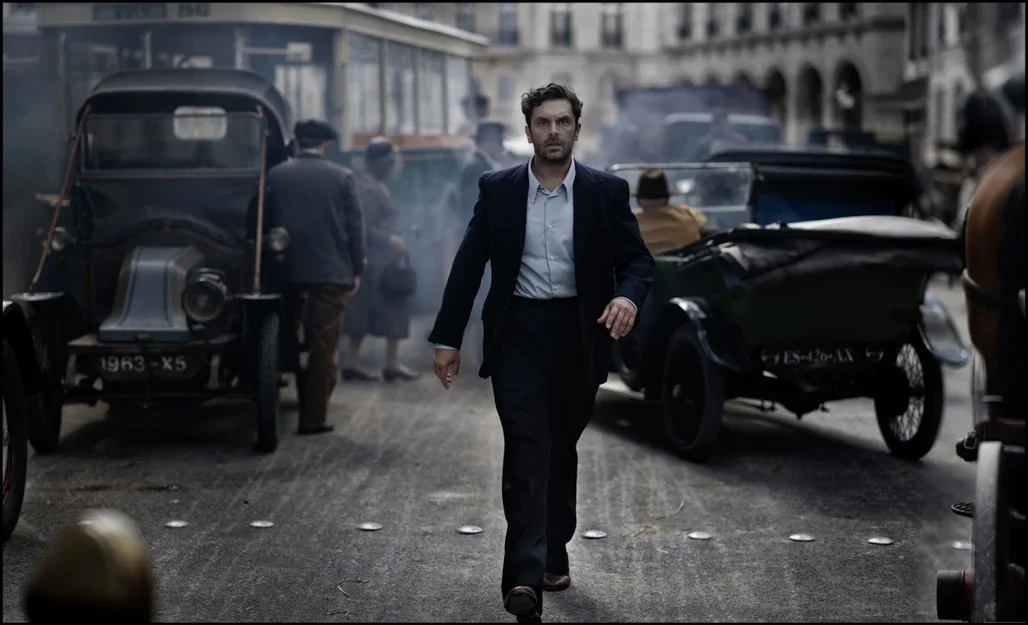
There's something undeniably seductive about a film set in 1928 Paris — the smoky bohemian energy of Montparnasse, the crackle of the occult, the ache of grief dressed up in art deco finery. And La Vénus Électrique, Pierre Salvadori's period romantic comedy that opened the 79th Cannes Film Festival out of competition, understands that seduction well. The problem is, understanding a mood and sustaining it are two completely unique things. Salvadori gives us a film full of promise—beautiful, warm, and charming—that ultimately cannot fully deliver on the electricity its title so boldly declares.
The premise is genuinely rich. Antoine Balestro (Pio Marmaï) is a painter in vogue who has lost everything that made him an artist. Consumed by guilt over his wife Irène's death, he has gone silent — no brushstrokes, no inspiration, nothing. His desperate gallerist Armand (Gilles Lellouche) is watching his investment collapse one sleepless night at a time. So Armand hatches a scheme: enlist a sharp-witted carnival psychic named Suzanne (Anaïs Demoustier) to pose as a spiritual medium and channel Antoine's late wife—pulling the broken painter back to life, back to love, and back to the canvas. What follows is a tangle of beautiful lies, mistaken identities, romantic collision, and a question that actually carries real weight: can something genuine grow out of something entirely false?
That thematic core is where La Vénus Électrique earns its voltage. At its best, this is a film about grief, desire, performance, and what we owe each other when we dare to love again. It's set against a Paris where religion is crumbling and people are rushing toward the occult to fill the void—a detail that gives the film's con artist mechanics surprising emotional depth. Salvadori is not simply making a light farce. He's reaching for something more tender, more melancholy, and more human. You feel it in the quieter moments, in the glances exchanged between characters who are all, in their own way, pretending to be someone they're not.
The performances carry the film through its rougher patches. Demoustier is magnetic — sharp, funny, and achingly real beneath Suzanne's practiced deceptions. She makes you believe in a woman who has built walls so high she's forgotten there's a door. Marmaï is tender and believable, charting Antoine's slow return from emotional paralysis with real nuance. And Lellouche brings warm, mischievous energy to Armand, making him far more sympathetic than the role might suggest on paper. This trio is the film's greatest asset. Whenever they're firing together, La Vénus Électrique absolutely crackles.
But here's the truth: the film loses the charge it so carefully builds. Flashback sequences featuring Vimala Pons as Antoine's late wife Irène arrive too frequently and stay too long, slowing the momentum at precisely the moments when the story needs to accelerate. Rather than deepening emotion, they feel explanatory—as if the film doesn't trust its audience to feel what it hasn't spelled out. Secondary characters are barely sketched and occasionally tip into stereotype, cluttering scenes that need breathing room. And a third act that should feel hard-won instead arrives like clockwork, trading surprise for comfort.
Salvadori has made a film that is handsome, well-intentioned, and genuinely pleasant to watch. As a Cannes opener, it served its purpose — accessible, warm, and crowd-pleasing on the most celebrated red carpet in cinema. But La Vénus Électrique kept hinting at something wilder and more daring just beneath its period costumes and charming performances—a bolder, stranger, more electric film that it never quite gave itself permission to become.
A lovely evening at the movies. Just not the electrifying one it promised.