Clarissa Is a Luminous, Lagos-Set Triumph That Announces a New Era of African Cinema
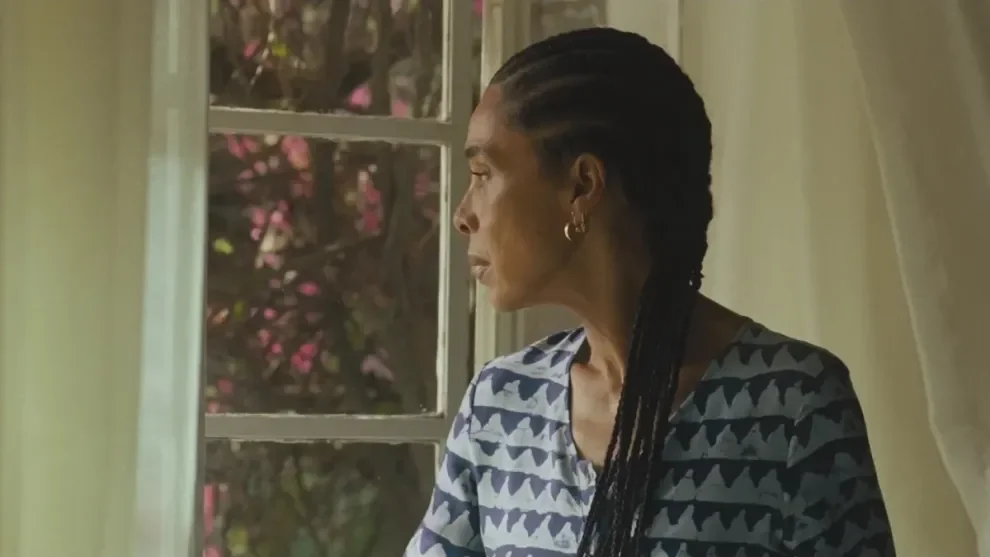
There are films that entertain, and then there are films that rearrange something inside you. Clarissa, the stunning sophomore feature from twin directing duo Arie and Chuko Esiri, belongs firmly in the latter category. Premiering at the 79th Cannes Film Festival in the prestigious Directors' Fortnight sidebar, the film breathes bold new life into an old story—and does so with a grace and ambition that left the audience on its feet. TheWrap
An adaptation of Virginia Woolf's classic novel Mrs. Dalloway transposed to modern Nigeria, Clarissa is the kind of cinematic reimagining that makes you wonder why it took this long. Shot on 35mm film in Nigeria, the story follows Clarissa, a high-society woman in the throes of preparing to host a party at her home in Lagos, where she will unexpectedly encounter once-intimate friends from her youth. As the night unfolds, the film dips fluidly between past and present, excavating the buried desires, heartbreaks, and compromises that have shaped Clarissa into who she is—and who she no longer allows herself to be.
At the center of it all is Sophie Okonedo, and what a center she is. The title pointedly shifts the focus from Clarissa Dalloway's last name to her first, providing an early hint of what will be one of the film's greatest strengths: Okonedo's outstanding performance. She carries the weight of a life unlived in every glance, every carefully held posture. This is performance as architecture—precise, load-bearing, and quietly devastating.
When we flash back to her younger self, played by an equally excellent India Amarteifio, the differences can not be more stark. Not only would the younger Clarissa likely be horrified by the person she has become and the life she is leading, but you get the sense that her older self is suppressing some of these same feelings. Amarteifio, best known to American audiences from Queen Charlotte, proves here that she is a generational talent—her younger Clarissa burns with a longing and fearlessness that makes Okonedo's quiet resignation all the more heartbreaking.
The ensemble surrounding them is equally formidable. The other characters include Richard, Clarissa's husband; Peter, a writer she once and possibly still loves, played across timelines by Toheeb Jimoh and David Oyelowo; Sally, a woman she developed a deep connection with, played by Ayo Edebiri and Nikki Amuka-Bird; and Septimus, a veteran now struggling with the violence he witnessed. Each performer inhabits their role with specificity and soul, and editor Blair McClendon confidently cuts between the cast members, leaving them all well-served.
The Esiris demonstrate a visual intelligence that matches their literary ambitions. The visual style of the two timelines — with the past more beautifully shot and alive while much of the present feels empty and cold — only makes the disconnect between them that much more potent. Cinematographer Jonathan Bloom, shooting on 35mm, gives the Lagos landscape a textured, breathing quality that feels both grounded and mythic. The film remains visually attuned to the natural world and taps into the rhythms of the characters moving through it.
What elevates Clarissa beyond a prestigious literary adaptation is its emotional honesty. For all the sadness at the core of its story, the film is captivating in how honestly and openly it confronts that emotion. You feel the characters' discontent and desire, while the Esiris' thoughtful filmmaking makes you wish that you could go back to the past along with these people to do so many things differently.
The film received a hearty standing ovation following its premiere—and it earned every second of it. Clarissa is a masterwork of restraint, longing, and grace. Don't miss it when Neon brings it stateside.