Hay House Offers Refunds to Customers of "Dr." Cheyenne Bryant's Book Amid Growing Credentials Controversy
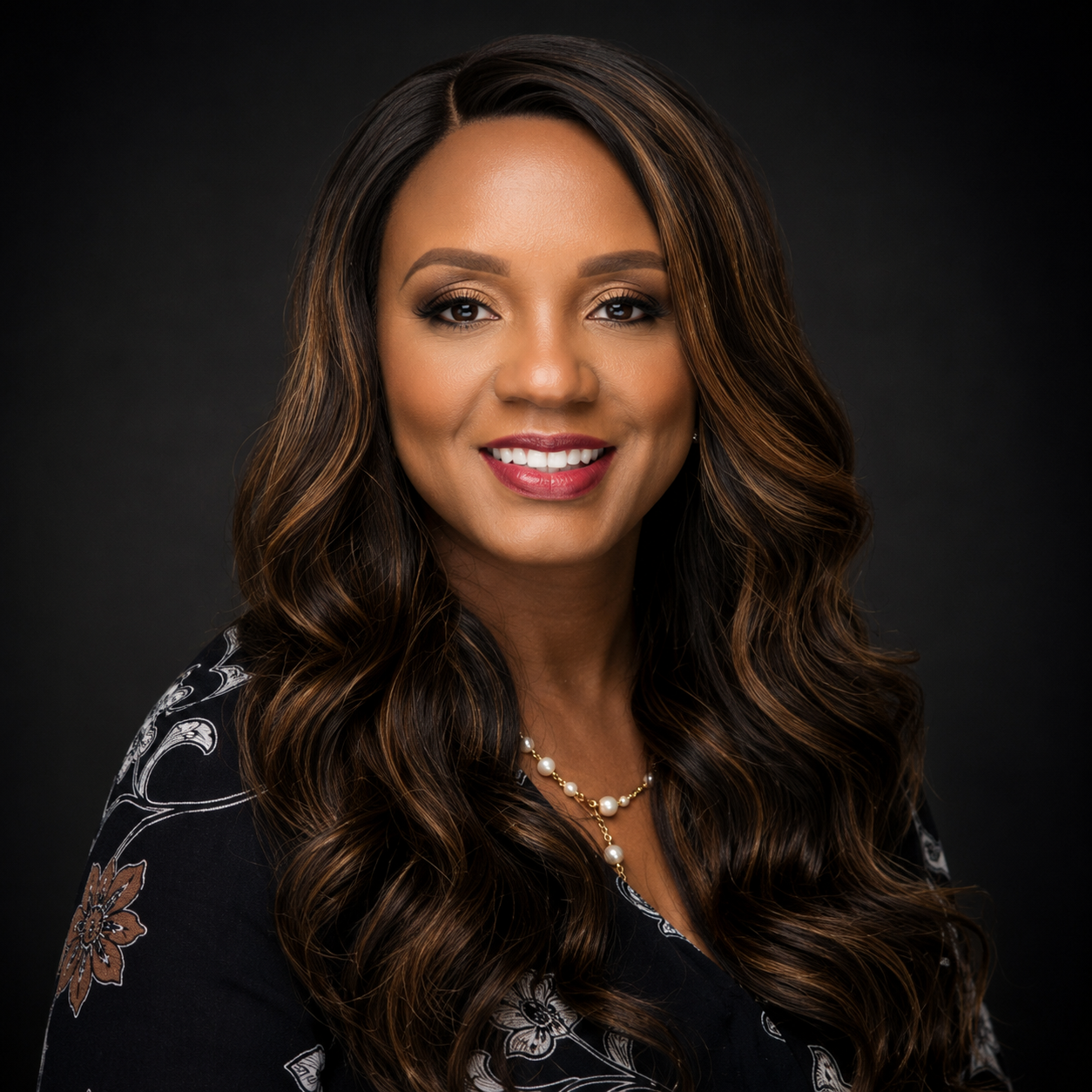
The scandal involving life coach and television personality Cheyenne Bryant has reached a tipping point. Bryant's book publisher, Hay House, is now processing refunds for customers amid mounting concerns over her credentials. The development signals that the growing public backlash over Bryant's claimed doctorate has moved well beyond social media debate and into formal corporate action.
Bryant, who has appeared on platforms ranging from MTV's Teen Mom Family Reunion to The Breakfast Club, has long branded herself as "Dr. Cheyenne Bryant." Despite charging clients between $350 and $1,500 per session, there is no independent record of her doctoral dissertation, no active clinical license in any U.S. state, and no paper trail confirming the advanced degree she claims to hold.
The scandal surrounding life coach and television personality Cheyenne Bryant has escalated significantly. On The Marissa Mitchell Show on FOX 5 DC, Bryant addressed the growing scrutiny while promoting the book, stating that her "obedience is to God, not to people" questioning her credentials. When pressed for documentation—a diploma, transcript, or dissertation—she redirected the conversation to her work with celebrity clients.
During her May 12 appearance on The Breakfast Club, radio host Loren LoRosa pressed Bryant about the online skepticism surrounding her credentials. Rather than presenting documentation, she offered an explanation centered on the 2019 closure of Argosy University, her claimed alma mater, saying, "I have multiple degrees, and I'm not going to prove anything to anybody."
Critics and academic experts have noted that doctoral dissertations from accredited U.S. universities are routinely indexed in ProQuest, the national academic database — yet searches yield zero results under "Cheyenne Bryant." Other former Argosy alumni have publicly stated they successfully obtained their transcripts after the school's closure, directly contradicting Bryant's claim of permanent data loss.
Bryant has offered her account of why records are unavailable. She claims she was able to download portions of her academic records from the Argosy student portal, "including up to" her dissertation, but says many of the remaining files were no longer accessible. She also says she declined a full financial aid refund offer from the university to preserve her academic credits.
Legal experts, however, have noted that accepting a refund for a failed program does not automatically erase a legitimately earned doctorate—nor would it delete a dissertation from ProQuest, an independent database unaffiliated with any single university.
For many observers, Hay House's decision to issue refunds is the most consequential development yet. Customers who bought Bryant's book believe she misled them, citing concerns about false advertising linked to her failure to provide proof of a doctoral degree. The publisher's willingness to accommodate those requests effectively validates the seriousness of the public concern.
The stakes of this controversy extend beyond one individual's credentials. Bryant has no legal obligation to maintain client confidentiality—there is no HIPAA protection for unlicensed coaches—no mandated reporting requirements, and no licensing board to answer to if a client suffers psychological harm. Critics say that the gap in accountability is deeply troubling for the Black community, which already faces disproportionate barriers to licensed, affordable mental healthcare.
Bryant has maintained throughout that the controversy does not affect her professional path. As of press time, neither she nor Hay House has issued a formal public statement addressing the refund policy directly.