Shana Is the Jewish Girlhood Story We've Never Seen Before — and It's Complicated
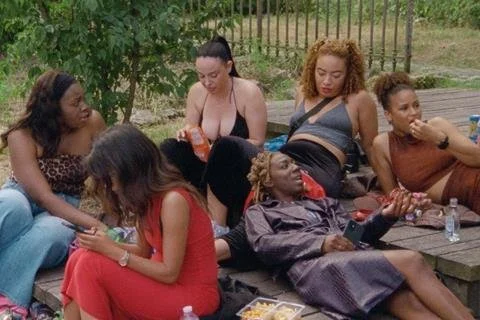
Premiered at the Cannes Film Festival, Shana explores, with a personal and emotionally rich narrative technique, Jewish identity, mother ties, and lasting ramifications of abandonment. The film attempts to marry the human narrative with wider societal issues, but the execution is sometimes patchy. It is a film that reaches for something profound and, even when it doesn't fully grasp it, reminds you that the attempt itself matters.
At its center is Shana, a young Jewish woman navigating the particular kind of emotional wreckage that only a mother can leave behind. This is not the Jewish girlhood we have seen cataloged in countless coming-of-age stories before—the bat mitzvahs, the matriarchal warmth, the bustling Friday night tables. The film is deliberately interested in the fractures, the silences, and the inheritances that no one asks for. The film does not present Shana's abandonment issues as a backstory to explain and move past. They are the architecture of who she is—the way she holds herself in a room, the way she reaches for people and then retreats, and the way she processes love as something that will eventually be revoked.
That reframing is the film's most significant contribution. Jewish women on screen are so often positioned as the givers—the mothers, the nurturers, the keepers of tradition. Shana flips the dynamic entirely, asking what happens when the Jewish girl is the one who was not kept. It is a question the screenplay handles with genuine sensitivity, and there are moments where the answer arrives with a stillness that is genuinely affecting.
The film's core draws the mother-daughter relationship with a complexity that resists easy villainy or redemption. The mother is not a monster, and the film is wise enough not to make her one. She is a woman shaped by her incompleteness, and the scenes between the two women carry a bruised, circling quality—as if both characters know they are having a conversation they have rehearsed a thousand times in their heads and still cannot get right. That dynamic will feel familiar to anyone who has loved someone whose love came with conditions attached.
The lead performance is the film's most unambiguous success. The actress playing Shana brings a raw interiority to the role that anchors every scene she inhabits. She is doing the difficult work of playing a woman who has learned to perform okayness so convincingly that even she has lost track of where the performance ends. There is a particular scene in the film's second act — quiet, almost static — where she communicates an entire history of grief without a single word of dialogue. It is the kind of work that reminds you what cinema is for.
Where Shana falters is in the connective tissue. The film moves between its emotional peaks with an unevenness that occasionally breaks the spell. Some scenes that should detonate instead fizzle, and the pacing in the middle stretch loses the thread it had worked so carefully to establish. There are also supporting characters who feel underdeveloped in ways that leave certain relationships underpowered when the film most needs them to carry weight.
Still, Shana is a film worth sitting with—particularly for what it gets right about the specific grief of daughters who were left and the complicated love that can coexist with that grief. It is an imperfect film in pursuit of a worthy truth.
Shana screened in competition at the Directors' Fortnight, the 79th Cannes Film Festival.