
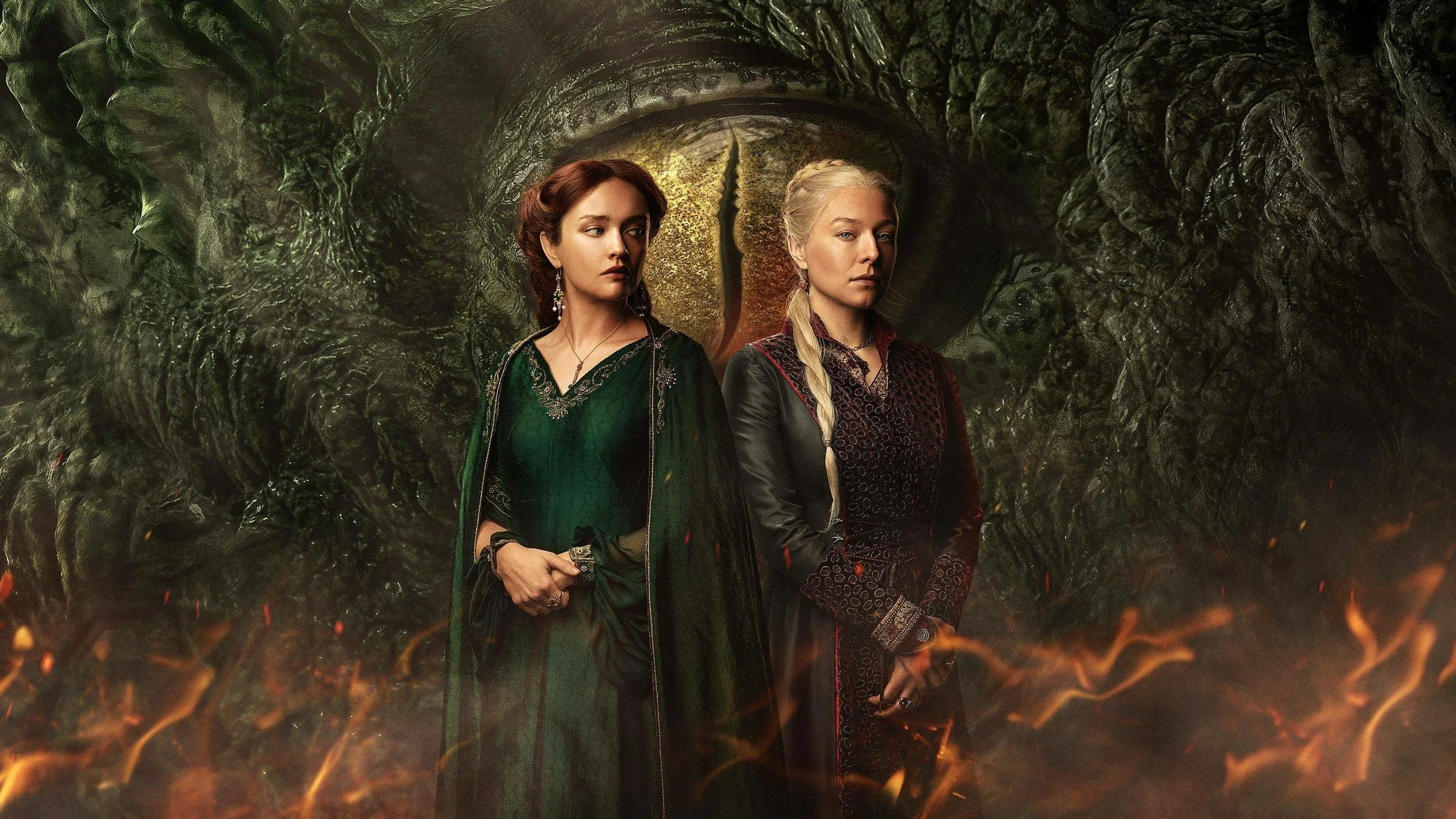
Fire, Blood, and Finally, a Reckoning: House of the Dragon Season 3
After two seasons of slow-burning court intrigue and a sophomore slump that left many fans quietly nervous, House of the Dragon returns in its third season with something it has been promising since day one: a full, devastating reckoning. And let me tell you—it delivers.
Season 3 begins with a clear message: the war is no longer on the horizon. It has arrived. The season wastes zero time reintroducing stakes. We are thrown immediately into the fire—quite literally—as the Dance of the Dragons escalates from a political chess match to a full-scale catastrophe. The Battle of the Gullet is a massive, devastating spectacle, and what follows only gets wilder. For those of us who have been patient through the buildup, the third season is the payoff season.
Season 3 is genuinely compelling—and separates itself from the spectacle-for-spectacle's-sake trap that swallowed the final seasons of Game of Thrones—because the show refuses to let you simply enjoy the carnage. There is no moment of fist-pumping triumph here. When the dragons arrive, any relief is fleeting at best, especially when not all of them obey their riders' wishes. That tension is the show at its most thematically precise: power is never clean, and dragons are no exception.
The first two episodes move at such a breakneck pace; it almost feels like House of the Dragon has bent to its naysayers and simply become a late-stage Thrones-style spectacle show—but thankfully, that jolt of energy doesn't come at the cost of nuanced character drama. Showrunner Ryan Condal appears to have achieved the balance the series has always sought: an epic scale grounded in intimate consequences.
The performances are the season's quiet crown jewel. Emma D'Arcy and Olivia Cooke, in their alternating waves of resentment and understanding, anger and sorrow, imbue Rhaenyra and Alicent's dynamic with all the weight of this history. Their scenes together are electric—the kind of acting that reminds you why prestige television, at its best, is its art form. The ensemble surrounding them is equally strong. The cast is operating at a level that rivals and even surpasses the best that Game of Thrones had to offer.
What makes Season 3 so addictive is the way it keeps blurring the lines of right and wrong. The feud between the Blacks and the Greens has become so personal that every victory costs something. This season is the most morally complex Targaryen storytelling. No one is innocent, and the show is honest enough to admit that. It’s a remarkable feat that the cinematography and visual effects have improved drastically from the first 2 seasons. The dragon sequences, especially, feel more substantial, more frightening and more emotionally resonant than anything the franchise has attempted before. The scope is big, from dazzling dog fights to grim, visceral ground combat and the musical score is haunting and triumphant and deeply tragic all at once..
Is it perfect?Not exactly. The sheer number of characters and alliances may still overwhelm and some connective tissue between story lines feels rushed in service of momentum. But these are minor quibbles with an otherwise enthralling season..
The critical consensus on Rotten Tomatoes, has landed: "The fate of Westeros comes to a head in a reinvigorated and riveting third season of House of the Dragon, complete with wicked new characters and more thrilling battles." I'd go further. This is the season that justifies the wait, earns the investment, and—for the first time—makes the Dance of the Dragons feel as catastrophic and heartbreaking as George R.R. Martin always intended it to be.
Clear your Sunday nights. The dragons have finally come home.