The Roots Picnic Is Not Just a Festival. It's a Mirror
What Hip-Hop's Greatest Weekend Revealed About Where Black Music Stands in 2026
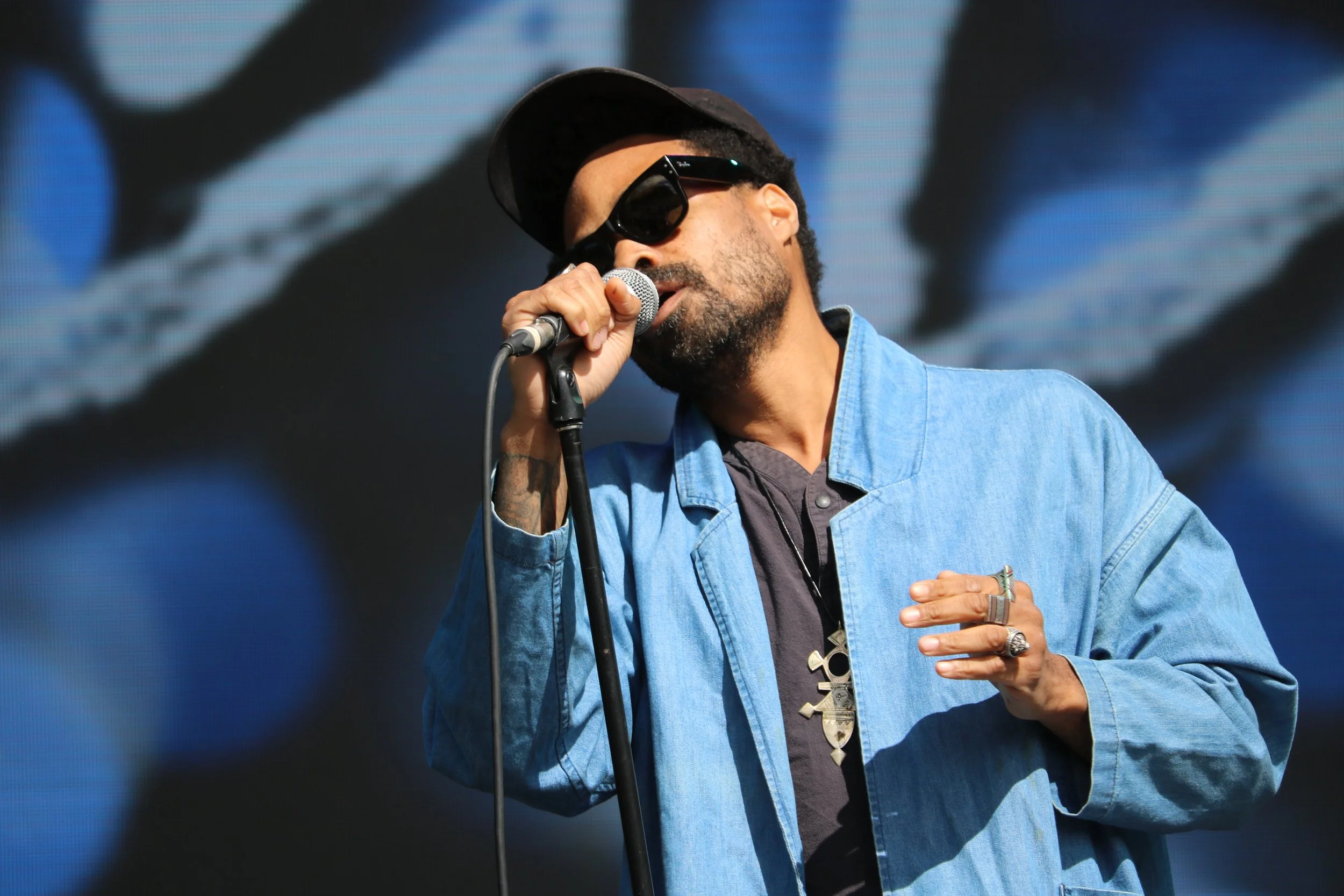
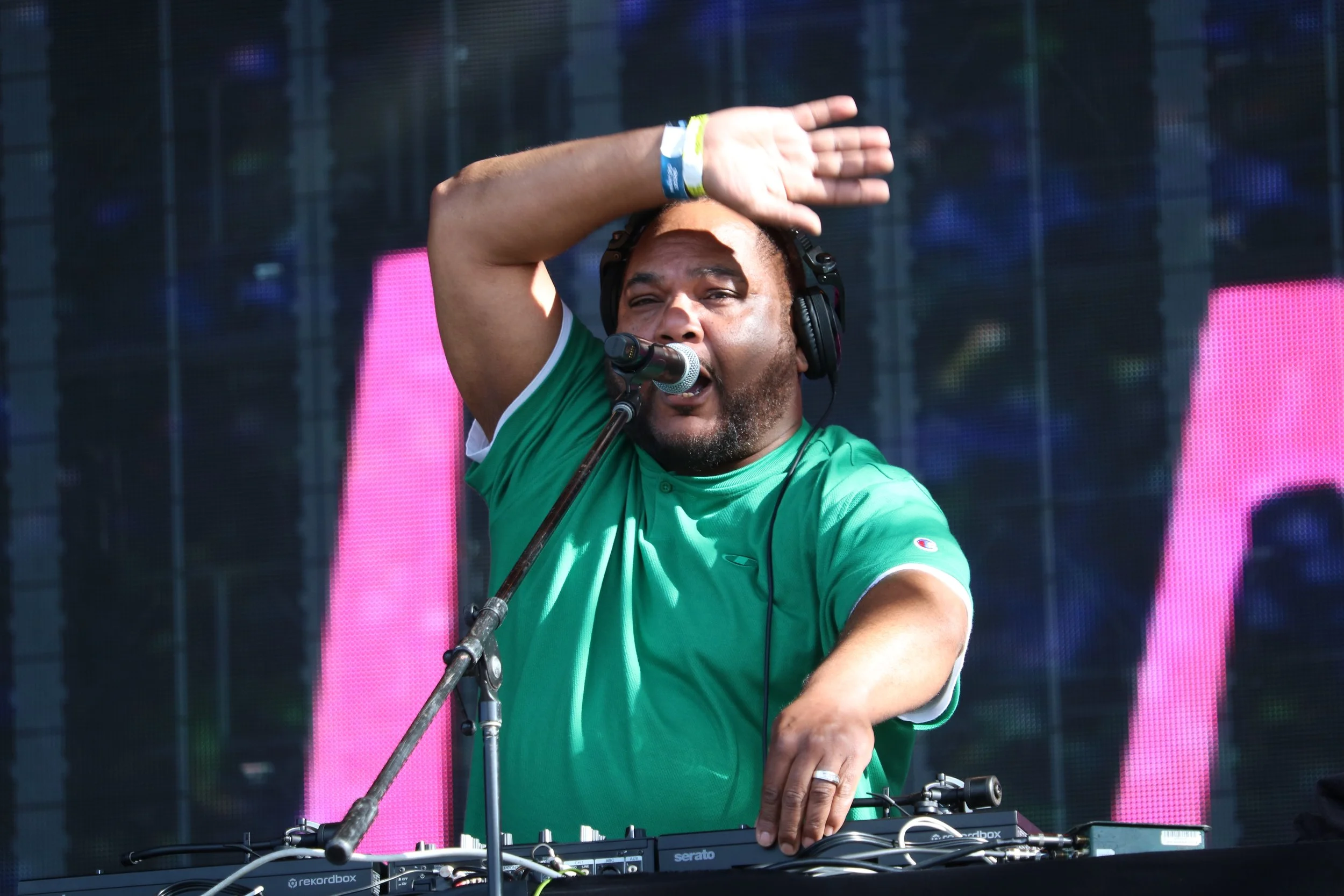
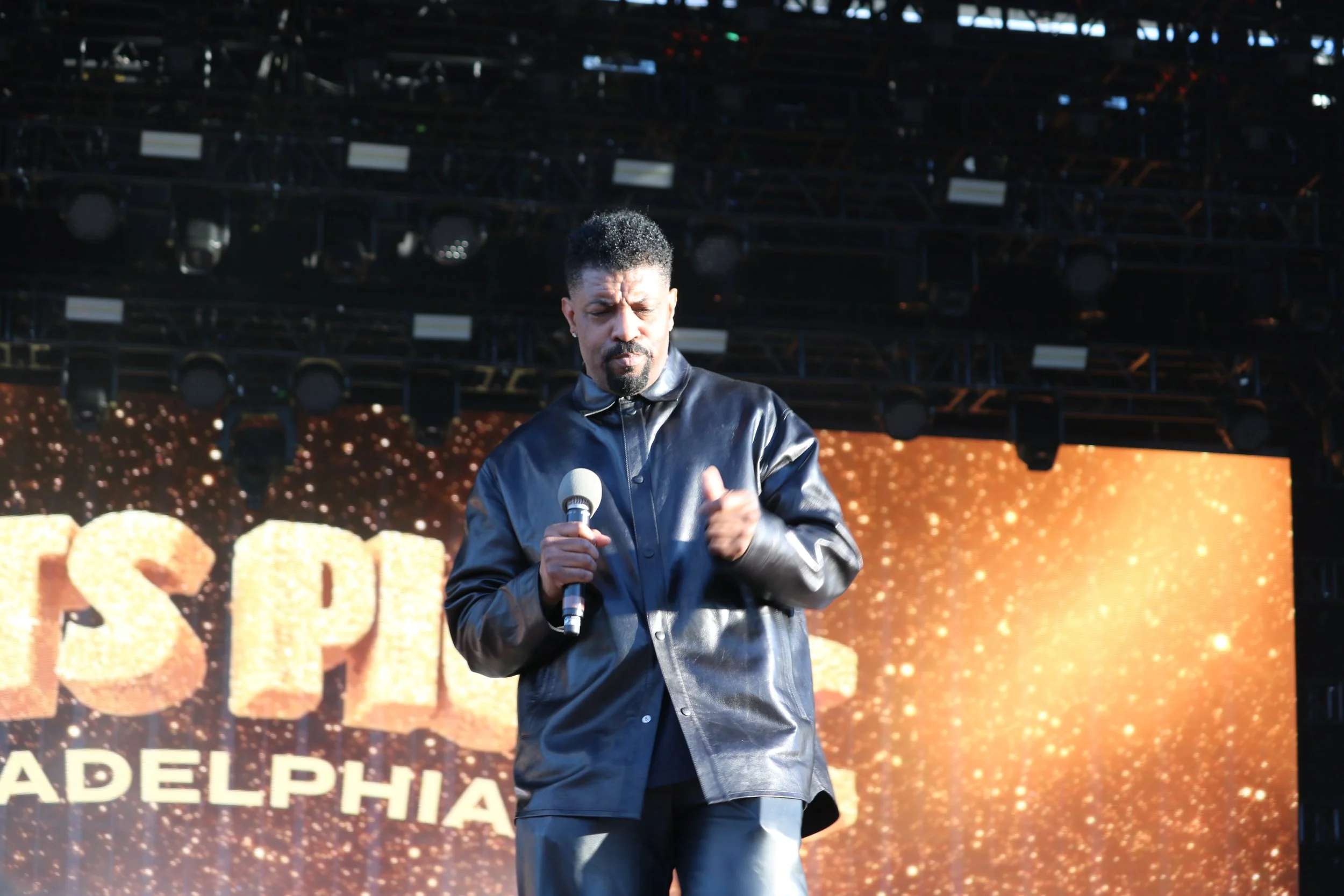
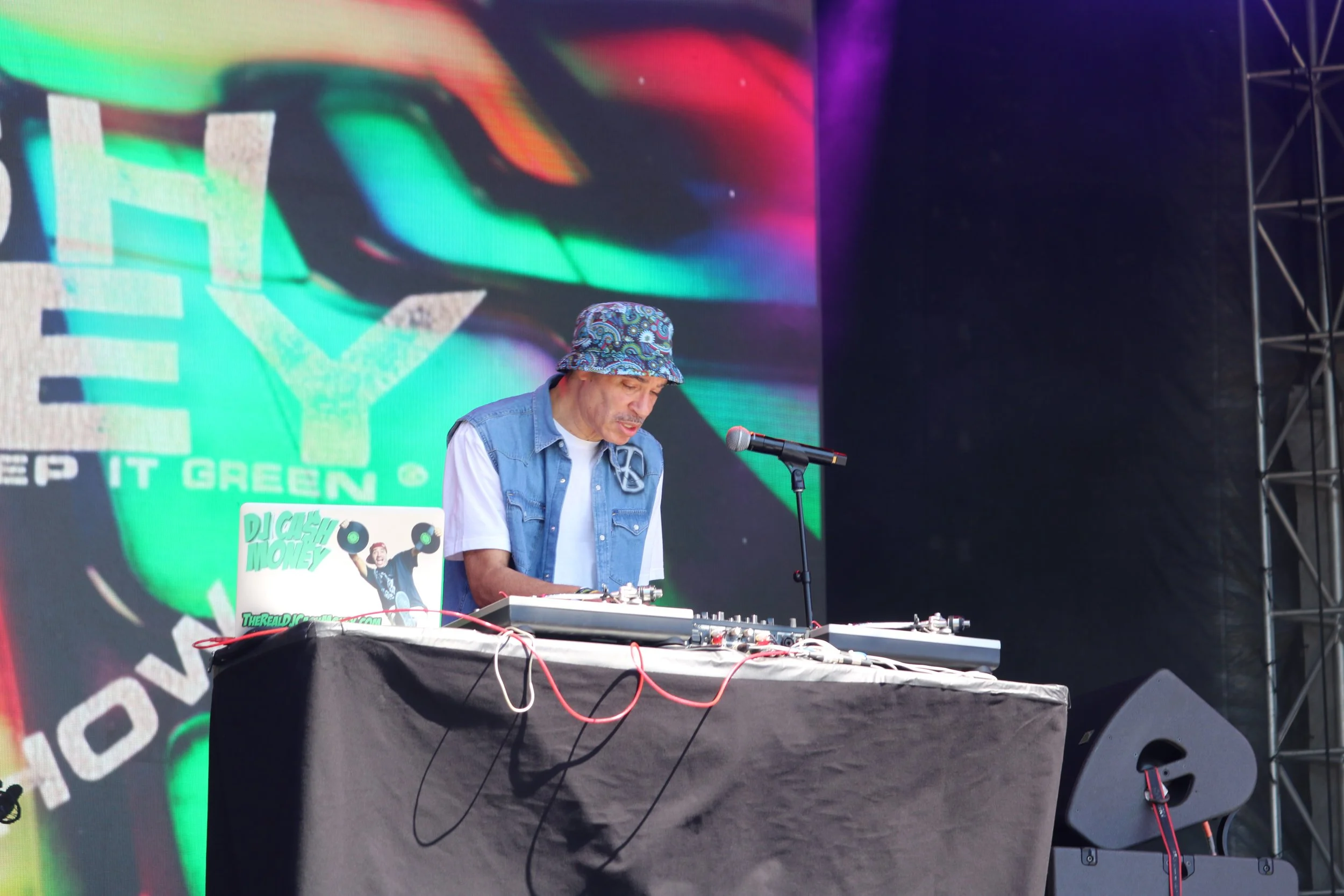
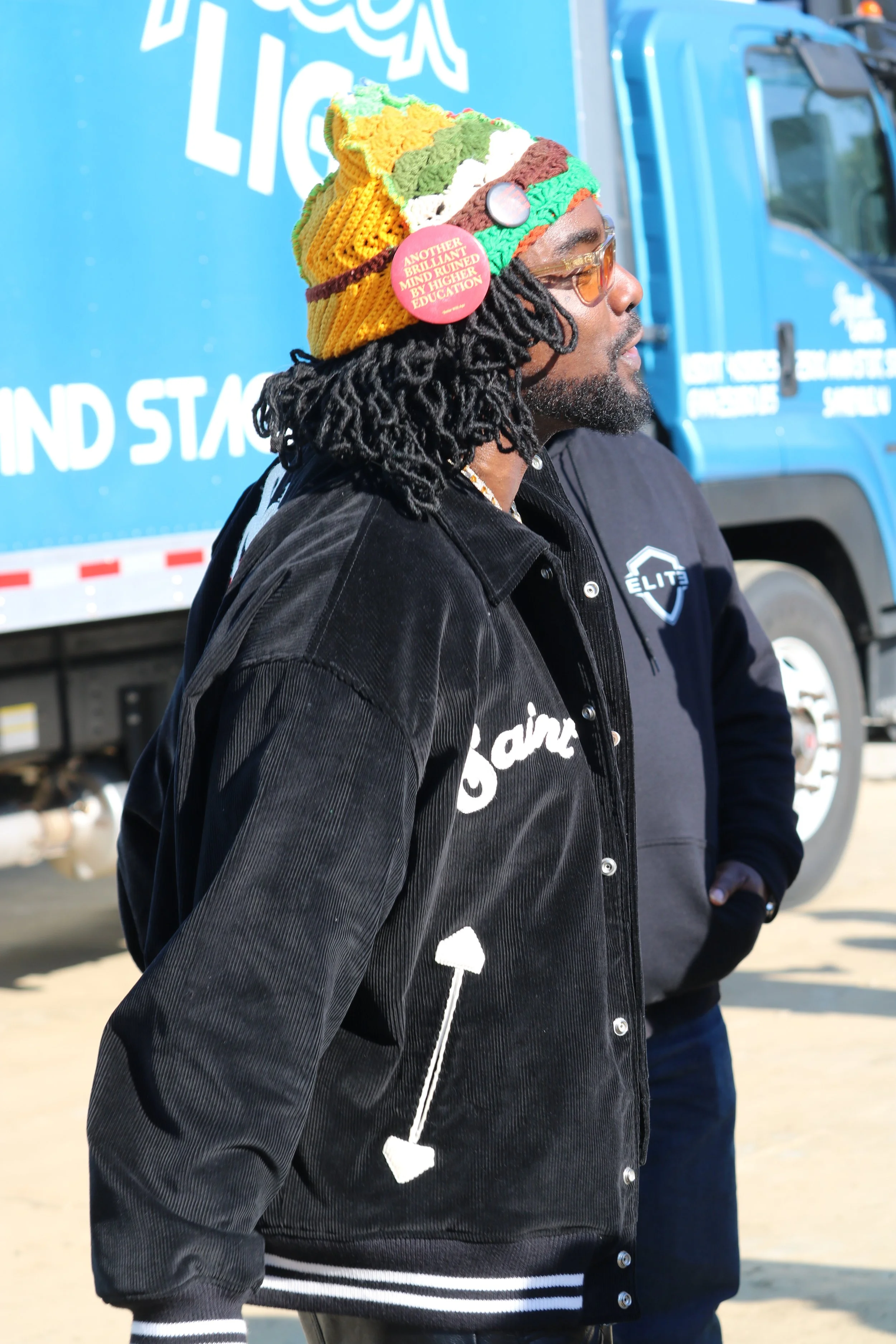
There is a particular kind of cultural moment that only happens when the conditions are exactly right — when the venue, the lineup, the weather, and the weight of history conspire to produce something that transcends a concert. The 2026 Roots Picnic, held May 30 and 31 at Belmont Plateau in Philadelphia's Fairmount Park, was that kind of moment. And the fact that nearly 80,000 people showed up across two days to bear witness says something important not just about the festival, but about what Black music is hungry for right now.
Let's start with the venue, because it matters more than it might seem. Moving the Roots Picnic from the Mann Center to Belmont Plateau wasn't merely a logistical correction after last year's crowd management struggles—it was a statement about belonging. Belmont Plateau, "the Plat" to generations of Philadelphians, is the kind of place where hip-hop actually lives when the cameras aren't rolling. Will Smith wasn't speaking in metaphor when he immortalized it in "Summertime." To bring the Roots Picnic to that ground was Questlove and Black Thought making an argument: that the festival's rightful home was never a manicured lawn with assigned seating but the same community soil where the culture took root. Point made. Loudly.
Day One: History Doesn't Repeat, But It Rhymes
Saturday evening, when Jay-Z took the stage with The Roots, it was the culmination of a mythology twenty-five years in the making. In November 2001, these two forces had produced one of the most revelatory live documents in hip-hop history—Jay-Z Unplugged—a session that proved rap was not merely surviving the acoustic format but thriving in it. A live band and a rapper so locked in that the music breathed differently. That performance changed how the genre thought about itself.
Now, a quarter century later, with 2026 marking the 30th anniversary of Reasonable Doubt, the two reunited on a stage that Questlove built. What they offered was not nostalgia—nostalgia is passive, a looking-back. What Saturday night offered was reckoning. Jay-Z's catalog sounds different now, weighted by everything that has happened in hip-hop, in culture, and in the country since those tracks were first laid down. The Roots, as always, made the music breathe. If you weren't there, know this: no recorded version of The Roots prepares you for their field performance at night with 40,000 people feeling the bass.
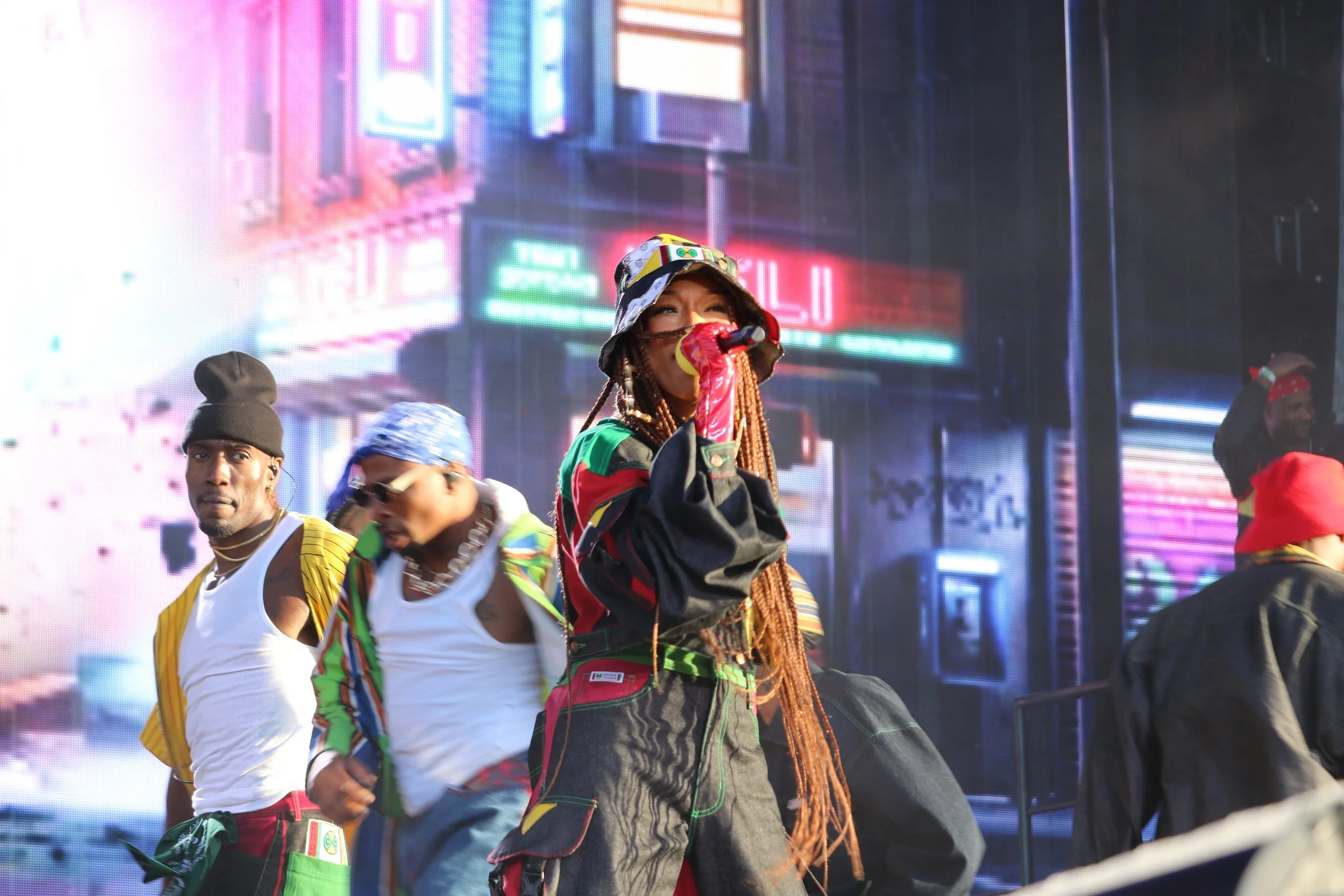
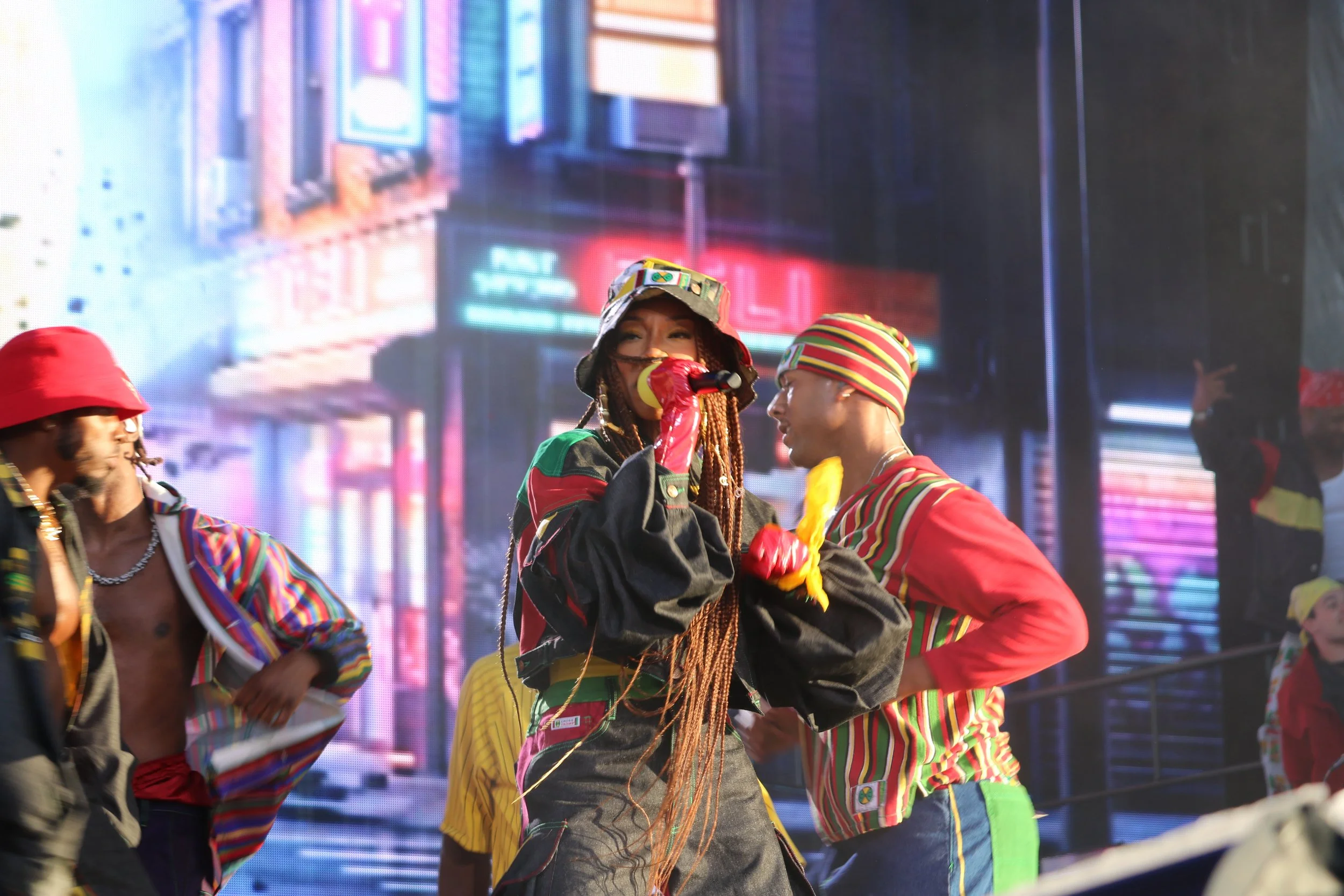
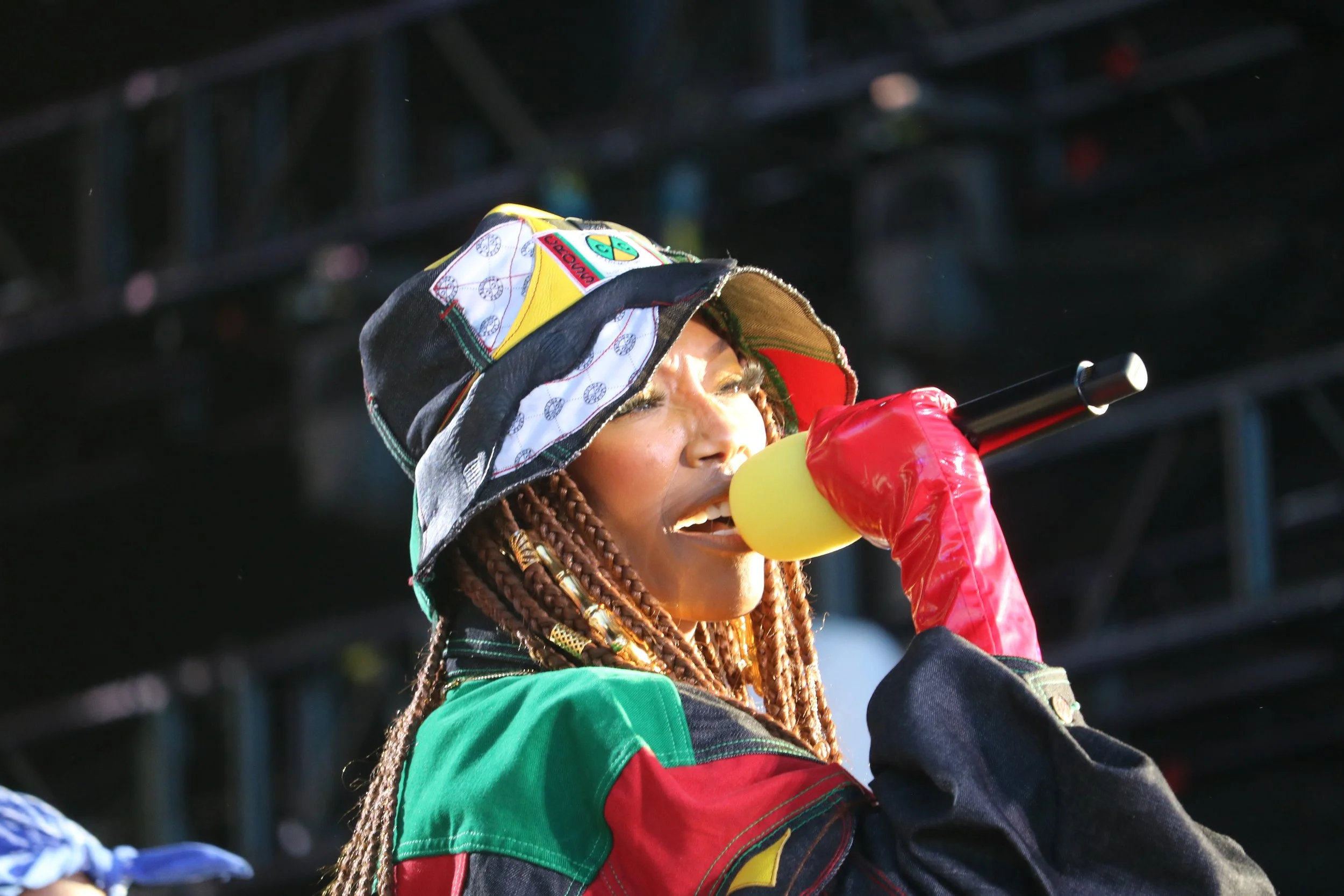
Brandy also made her Roots Picnic debut on Day One — and that alone deserved its headline. Arriving at the Roots Picnic in 2026 dressed in Cross Colors felt like a deliberate act of reclamation for one of the most technically gifted vocalists in R&B history, a woman who was both omnipresent and undervalued throughout the '90s and 2000s. She wasn't playing into nostalgia either. She was reminding the culture of the opportunities it had overlooked.
Day Two: The Women Closed the Conversation
If Day One was about legacy and reunion, Day Two was a masterclass in what Black women's artistry looks like when given the main stage and the closing slot without apology.
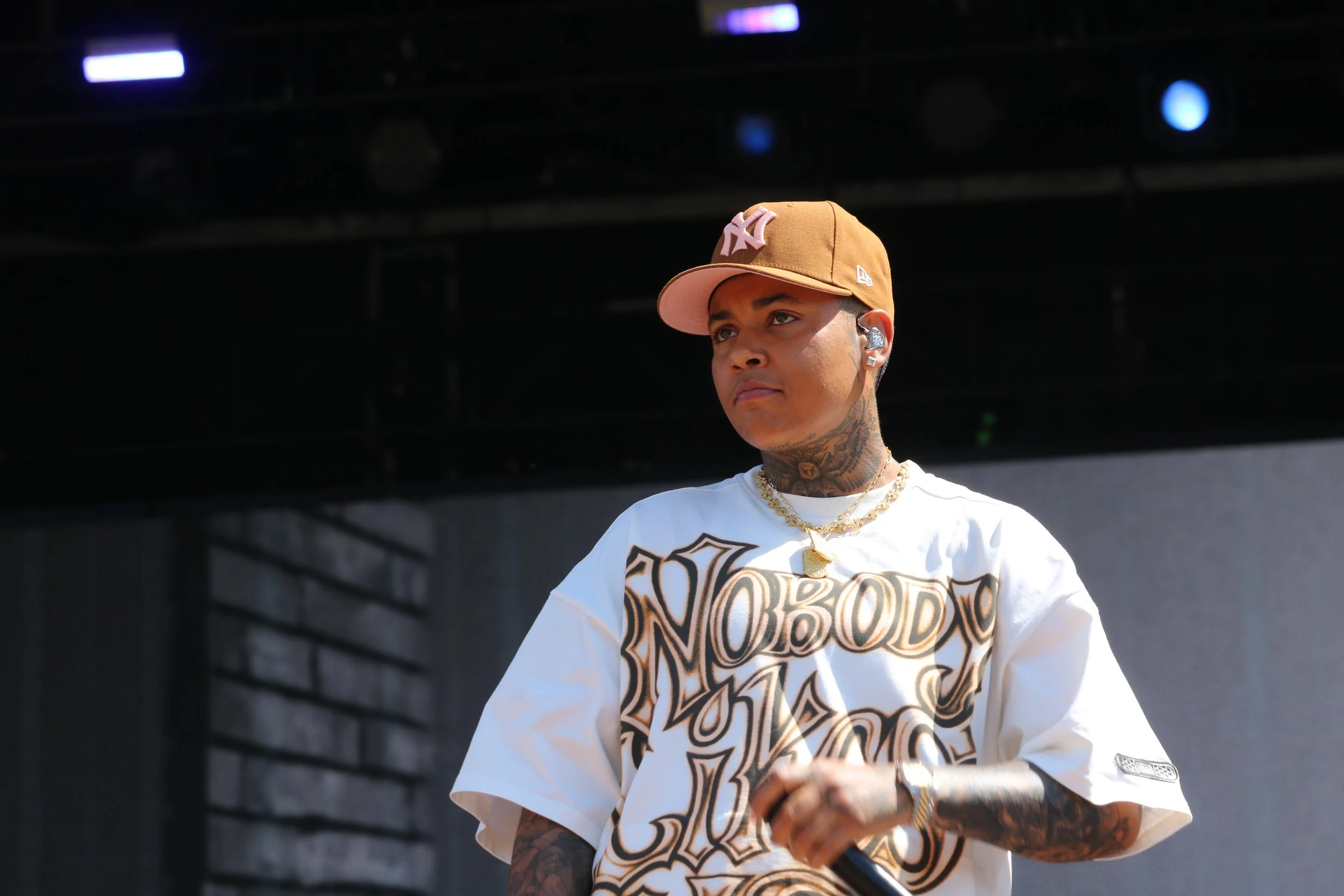
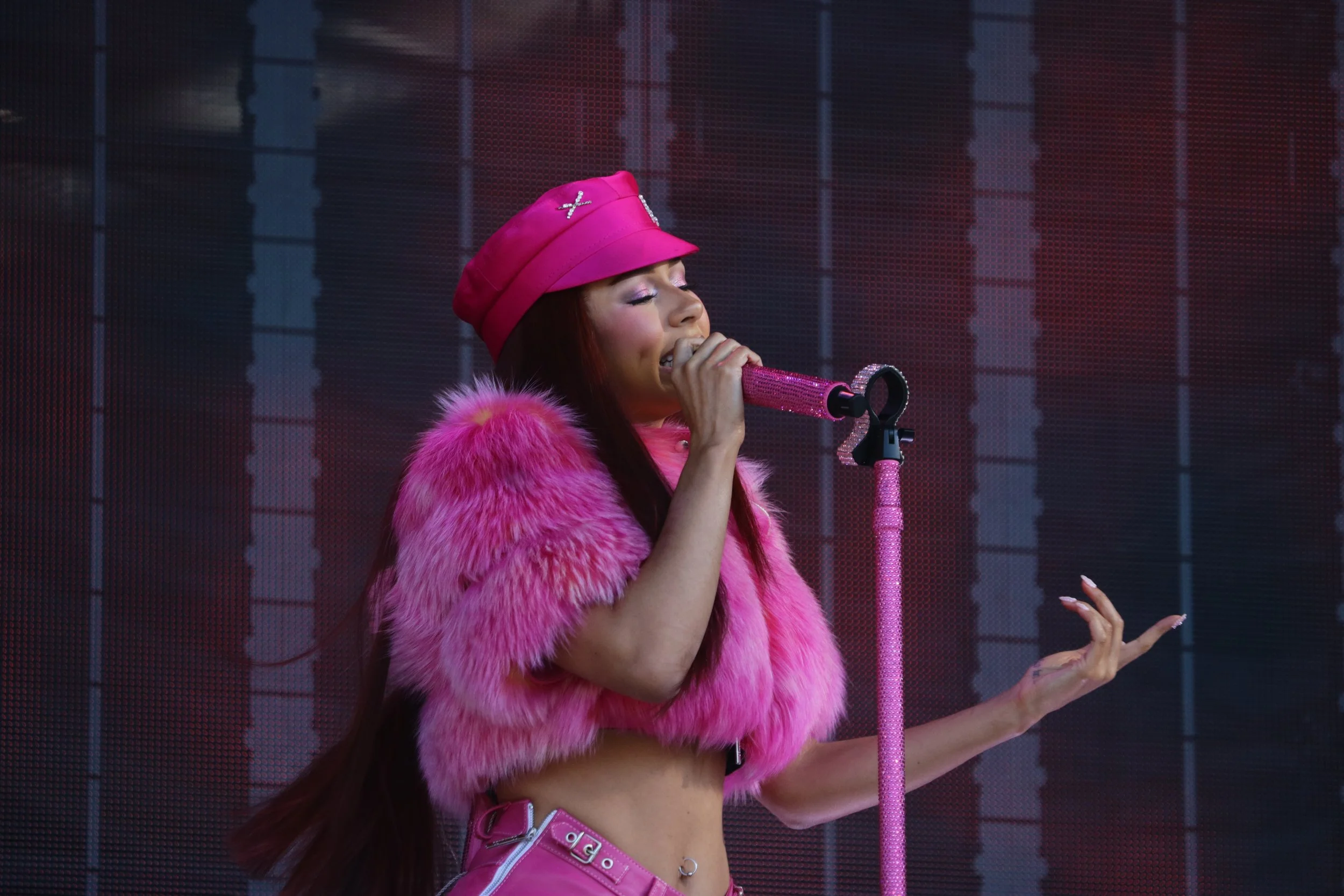
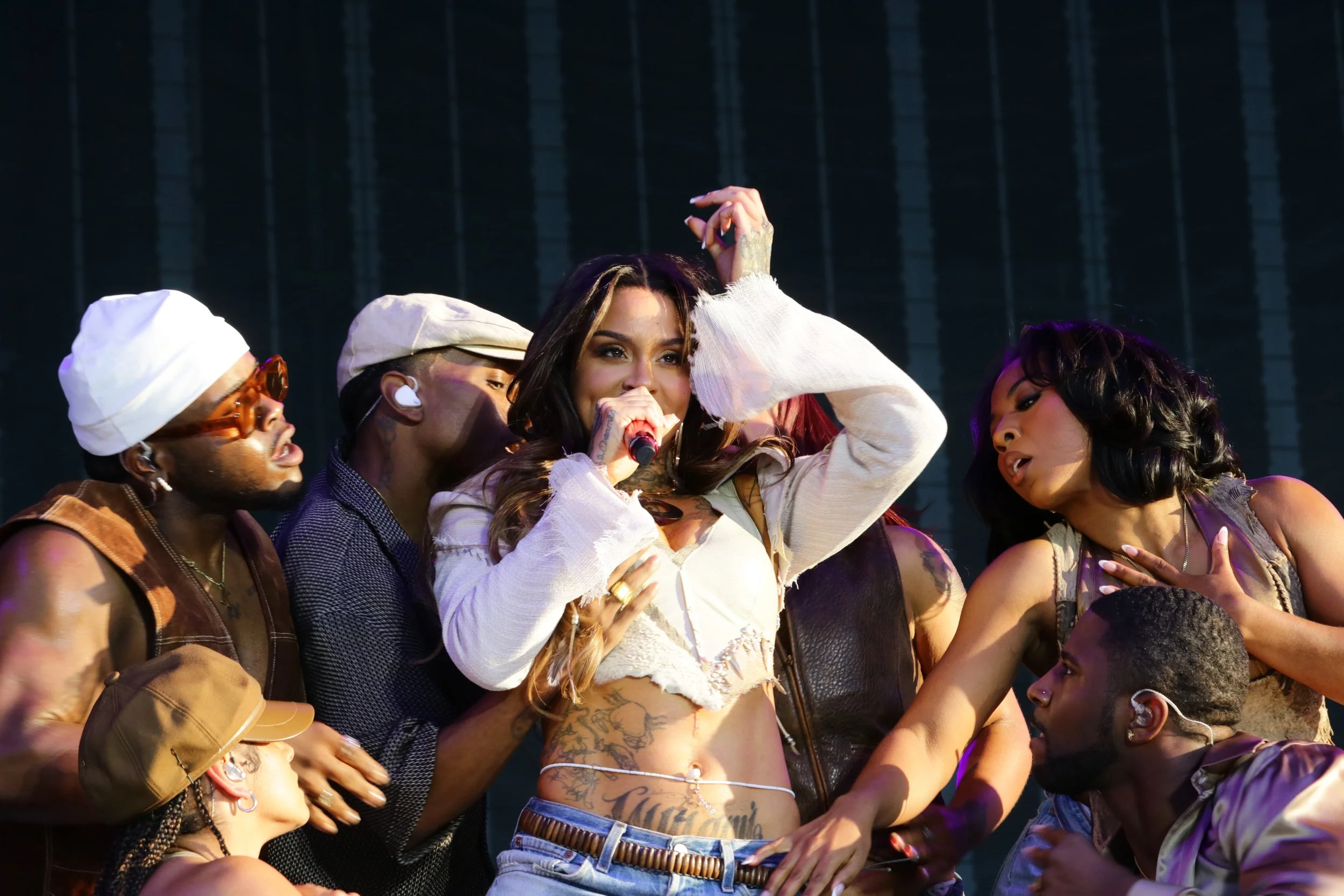
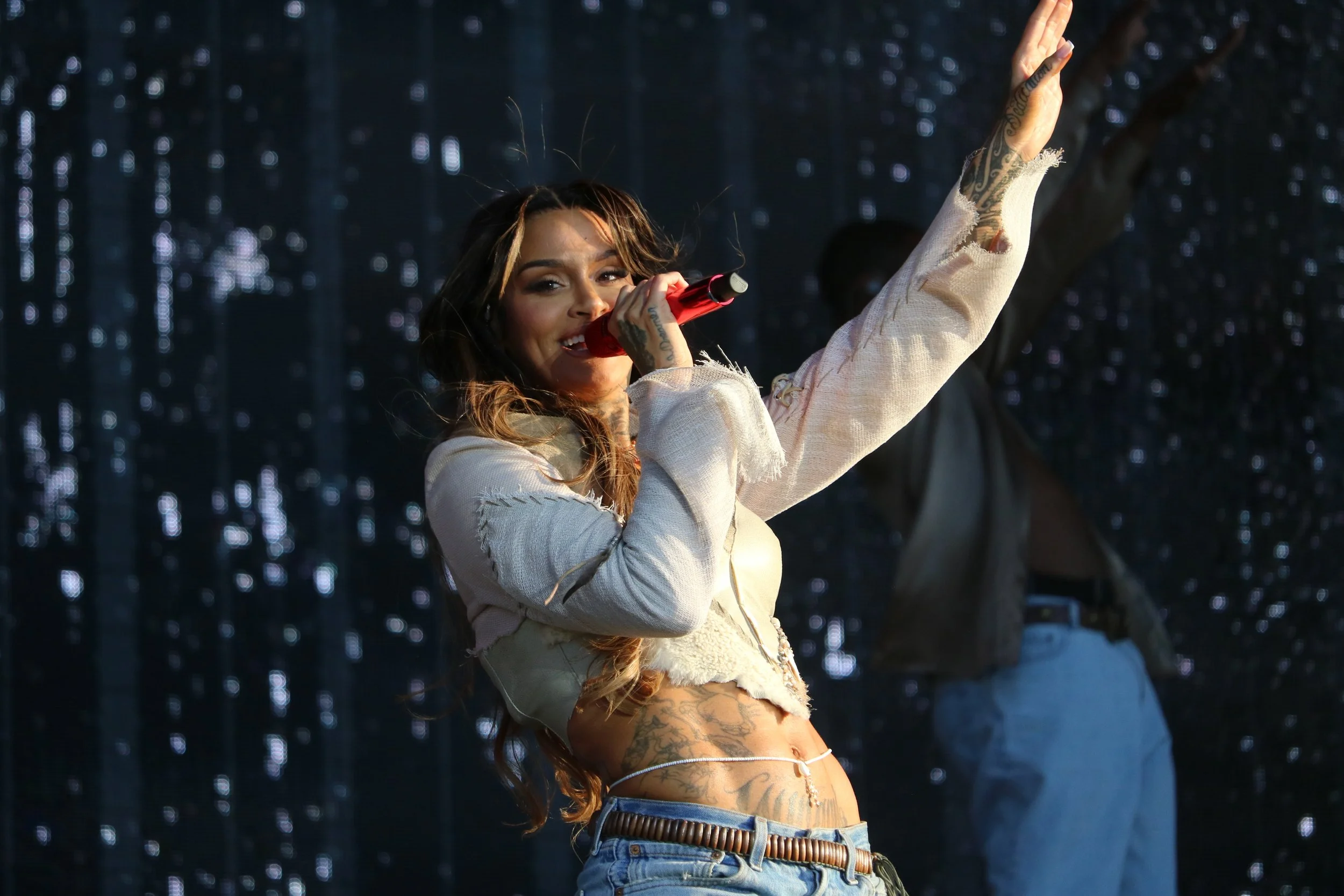
Kehlani arrived at the peak of their powers—Grammy wins for "Folded," a self-titled album that stands as one of the most fully realized R&B projects of the decade—and delivered a set that was intimate and massive at the same time. The Bay Area has a way of producing artists who carry their city in their sound, and Kehlani is no exception. There is a rawness to their work that doesn't ask for your comfort, only your attention. The crowd gave both.
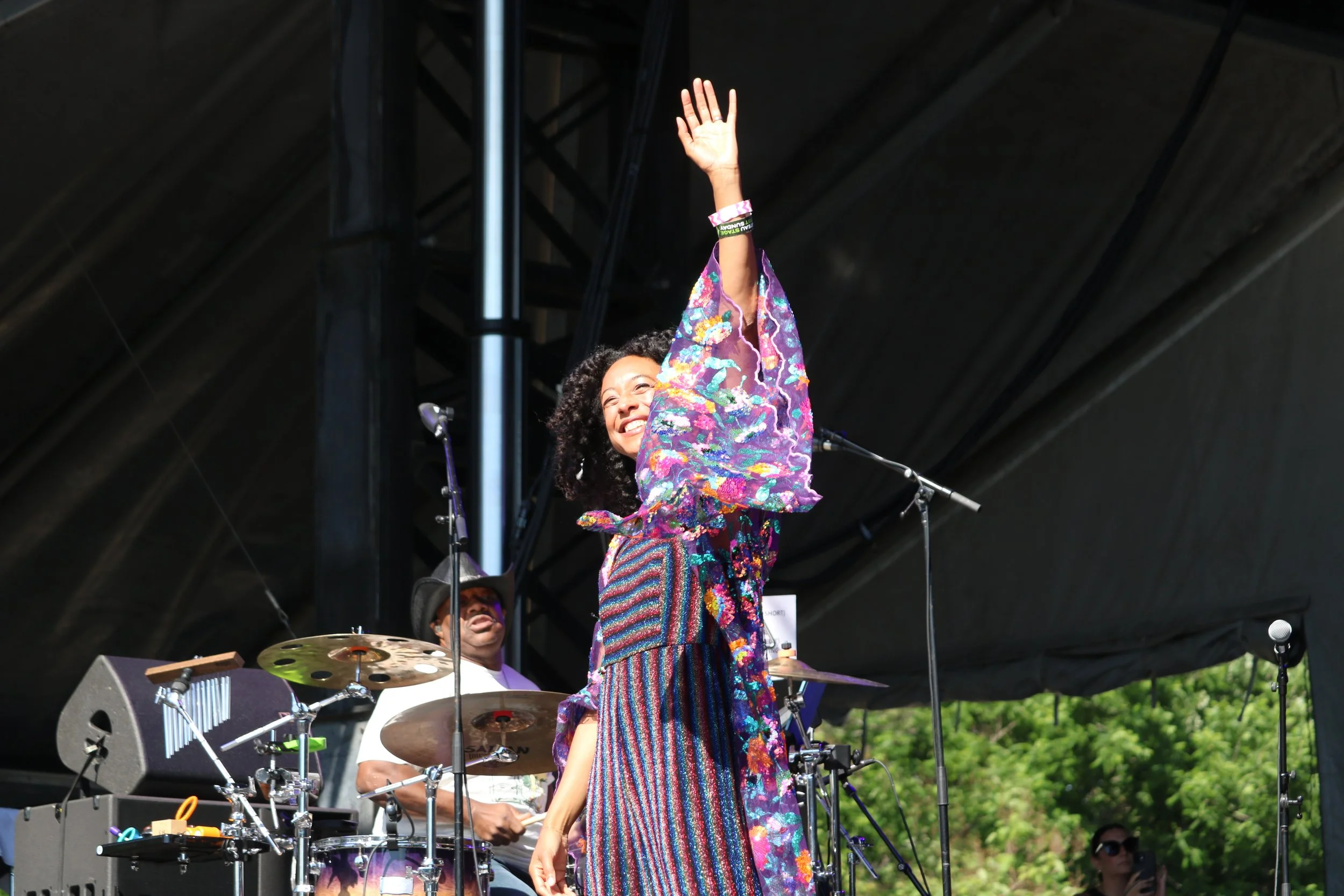
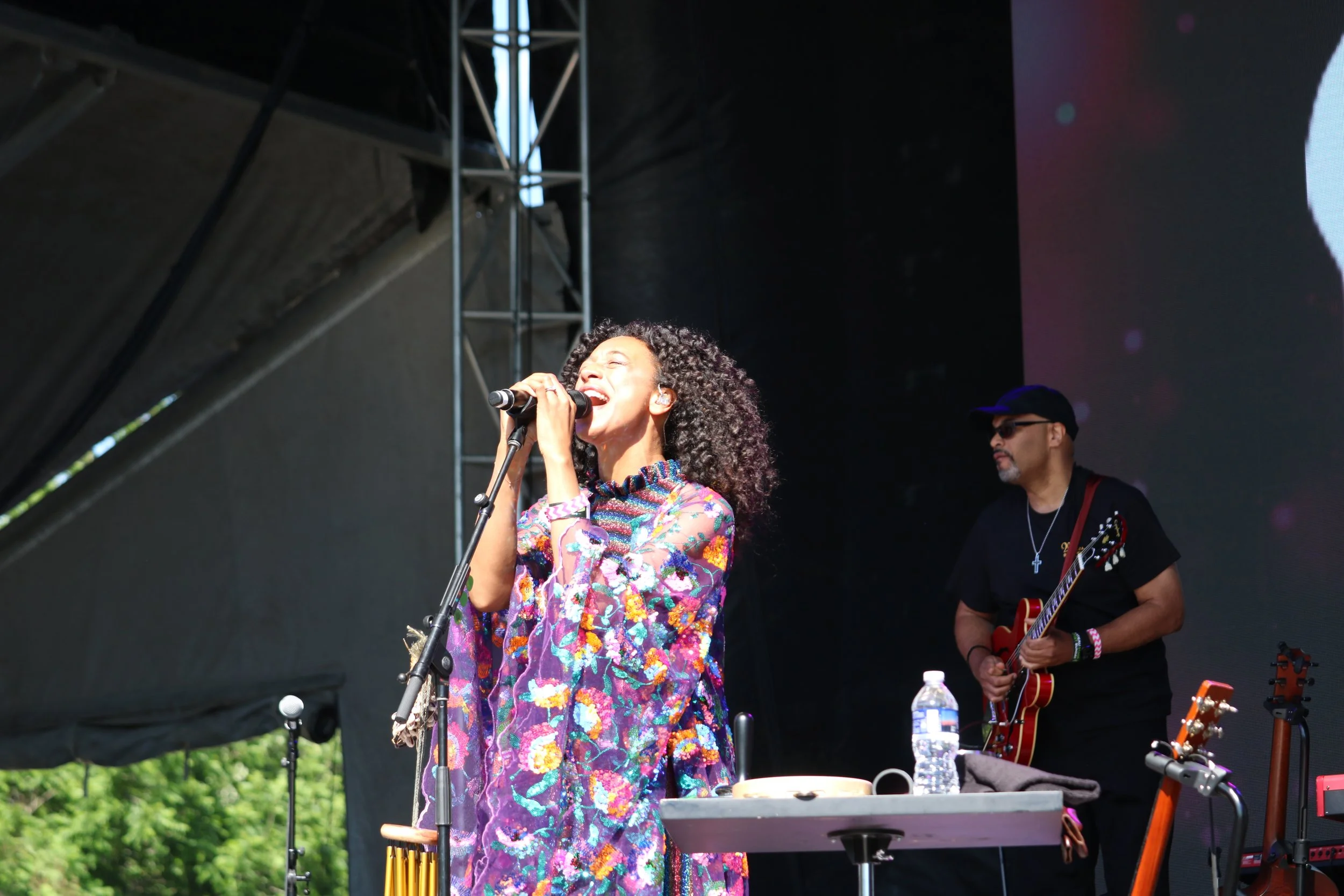
Corinne Bailey Rae—whose international stature often gets underappreciated in American festival conversations—offered something more interior, more searching. Her set was proof that Black British artistry belongs in this conversation without qualification or asterisk.
And then there was Erykah Badu.
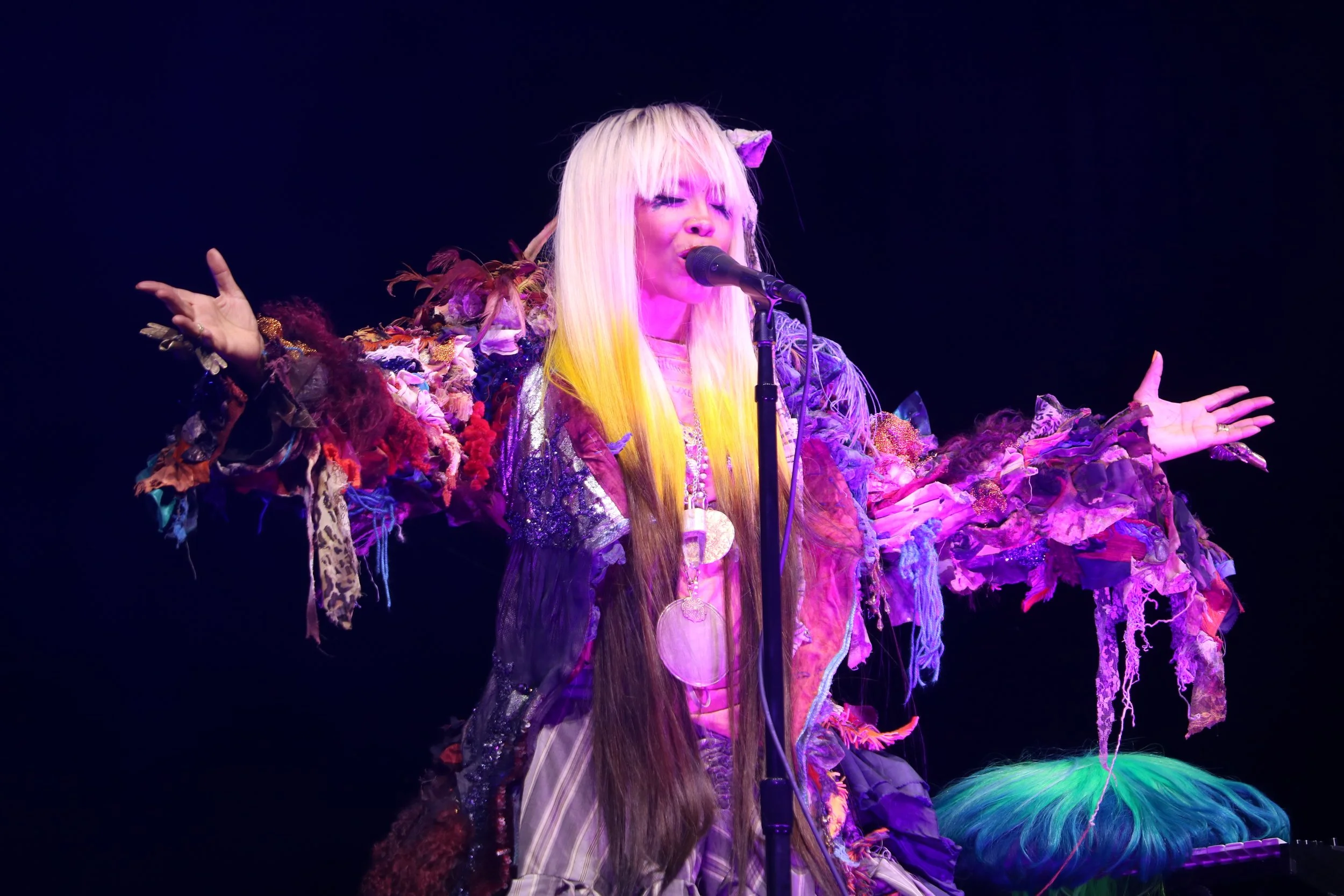
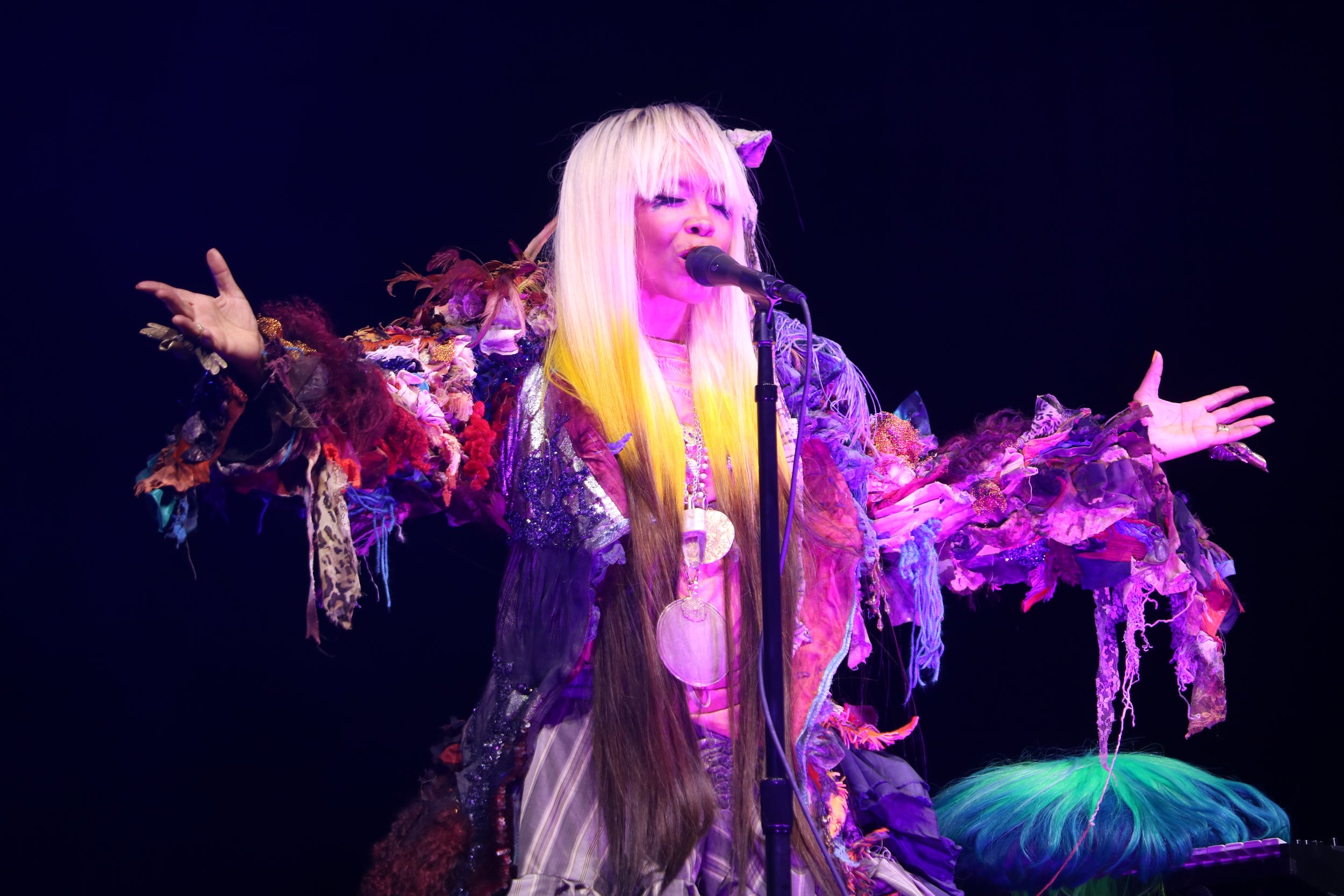
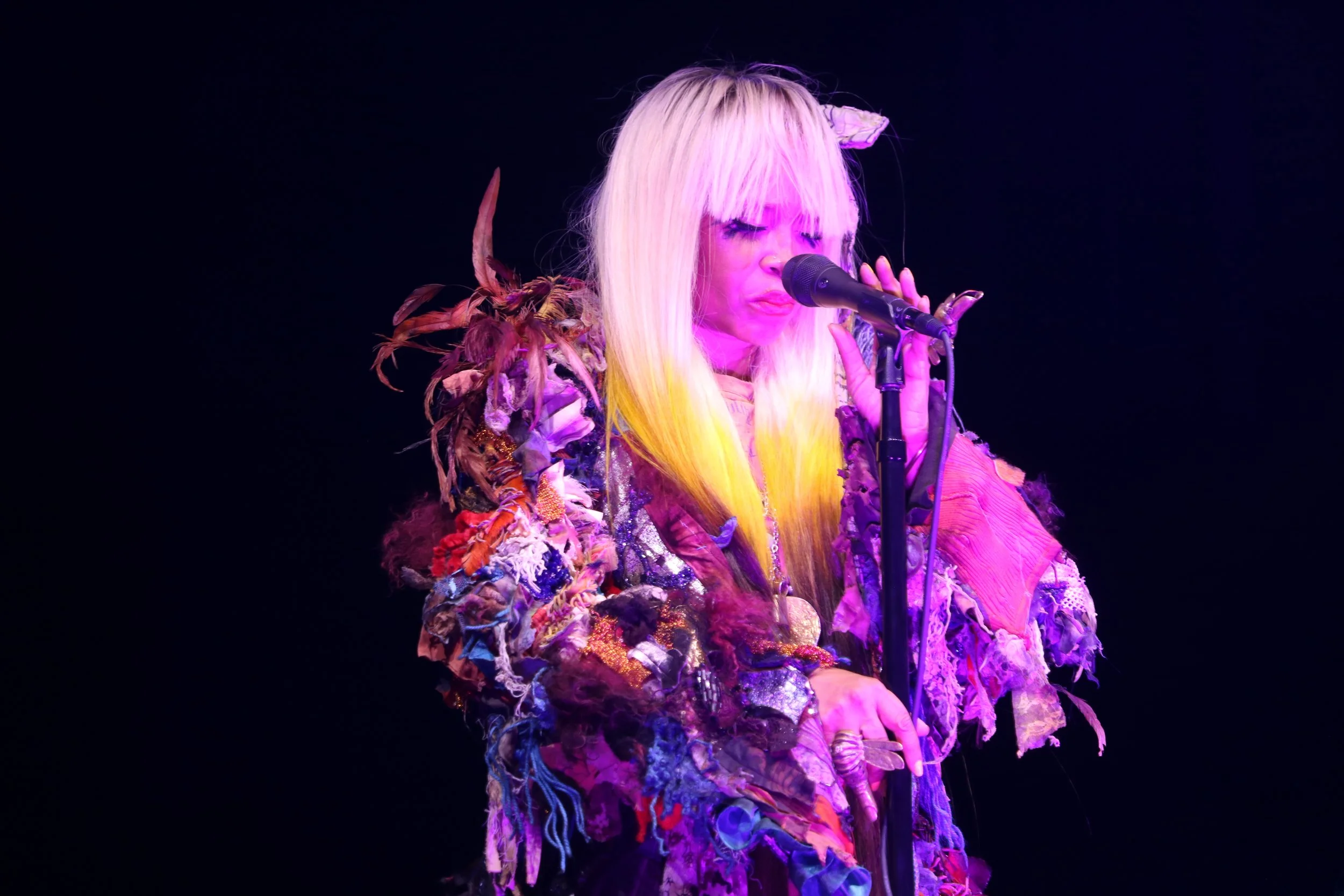
To describe an Erykah Badu performance is to attempt to narrate a weather event. She doesn't simply perform—she alters the atmosphere of a space. Sunday night at Belmont Plateau, she closed the festival the way she closes everything: on her own time, by her own logic, in her own universe. The crowd didn't leave that field—they were released from it. There is no one else in music who can do that. Not one.
What It All Means
The 2026 Roots Picnic was not just a fantastic festival. It was an argument about the state and the future of Black music. The booking of Jay-Z and The Roots together spoke to a desire for live music that demands technical excellence. Brandy's debut spoke to the culture's appetite for overdue recognition. The Waiting to Exhale 30th anniversary tribute—featuring Yolanda Adams, Ledisi, Andra Day, Tamar Braxton, and others brought together by Adam Blackstone—spoke to the need to honor the canon while it's still alive, not eulogize it after the fact.
And Erykah Badu closing the festival spoke to something older and deeper: that the most radical thing Black music can do in 2026 is refuse to be hurried.
Rolling Stone has called the Roots Picnic "Hip-Hop's Greatest Festival," and the designation is correct. But what makes it the greatest isn't the headliners, vendor rows, or production value. It's the curatorial vision—the insistence, year after year, that the full spectrum of Black musical excellence deserves a stage, deserves a crowd, and deserves a field in Fairmount Park on a late-May weekend.
Questlove and Black Thought have been building this festival for eighteen years. This edition was proof that they know exactly what they're doing.
All pictures below are property of CupofSoulShow.com and copyright protected